Engineered for last-mile delivery, industrial logistics, and high-density route distribution within the Kansai region.
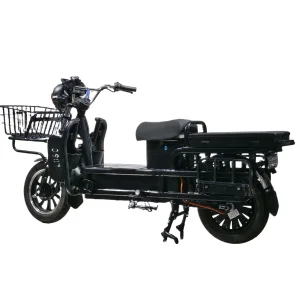
Built with 12" reinforced utility tires, a high-torque 1200W motor, and a heavy-duty chassis structure designed to handle Osaka's demanding urban delivery weight distribution.
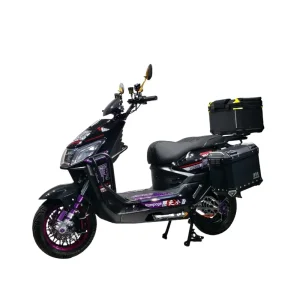
Features a high-power 3000W electric motor, lightweight forged wheels, and precise CNC suspension, offering rapid speed response and superior stability for local express couriers.
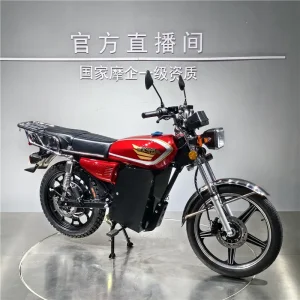
Combining standard 72V power efficiency with a vintage aesthetic, this Sunsuki model fits seamlessly into Osaka's trendy business and dining districts for custom brand activations.
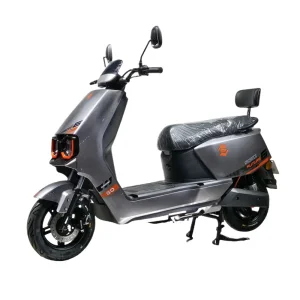
An agile 1200W smart commuter scooter, perfect for navigating narrow side streets and shopping streets (Shotengai) with direct factory pricing and versatile battery options.
As the primary economic powerhouse of the Kansai region, Osaka presents unique geographical and structural challenges to modern logistics. The dense commercial concentrations in districts like Umeda, Namba, Yodogawa, and the port operations around the Port of Osaka require a highly structured freight delivery model. The landmark Japanese legislative changes commonly referred to as the "2024 Problem" (2024年問題)—which impose strict caps on truck driver overtime—have created a critical shortage of transport capacity.
This capacity gap has forced Osaka logistics managers to seek alternatives. Traditional delivery trucks face immense parking limitations on Osaka's narrow lanes (Roji) and bustling shopping arcades (Shotengai). High-load capacity electric cargo motorcycles have emerged as the ideal fleet replacement, bridging the operational gap between heavy delivery vehicles and manual foot delivery couriers.
All commercial light electric two-wheelers must satisfy the strict requirements of Japan’s Road Vehicle Act (道路運送車両法). Under these rules, vehicles are designated as Class 1 Motorized Bicycles (under 0.6 kW), Class 2 Motorized Bicycles (0.6 kW to 1.0 kW), or Light Motorcycles (above 1.0 kW up to 20 kW), each needing specific operator licenses and safety instrumentation.
Operating a fleet in Osaka requires navigating complex safety regulations. To help our commercial buyers achieve compliant fleet integration, our factory configurations are aligned with Japanese standards:
Our partnership with manufacturing facilities in Wuxi, Jiangsu—widely recognized as "the Electric Vehicle Capital of China"—allows us to pass significant supply chain advantages directly to Osaka businesses. By integrating advanced production lines with direct raw material sourcing, we ensure:
ISO9001 Quality Systems, CE Standardized Electronics, and EEC Certified Chassis frames for international markets.
Why modern commercial fleet operators are shifting to our customizable electric cargo architectures.
Support for insulated cold-chain food boxes, modular parcel racks, and lockable security boxes optimized for express logistics.
Equipped with high-efficiency direct-drive motors ranging from 1200W up to 3000W to tackle steep gradients in suburban Osaka.
Smart Battery Management Systems with overcurrent, overcharge, and thermal cutoff safety protections for complete reliability.
Factory-integrated GPS tracking modules allowing fleet managers to track locations and battery levels in real time.
Purchasing fleet vehicles for the Japanese market requires a clear understanding of the Total Cost of Ownership (TCO). Transitioning from conventional gasoline cargo scooters to custom electric cargo fleets provides direct financial advantages. Below is a comparative operational analysis designed for finance and operations managers:
| Metric Component (3-Year Horizon) | Petrol Cargo Scooters (50cc-125cc) | Sunsuki Electric Cargo Fleet (1200W-1800W) | Net Operational Impact |
|---|---|---|---|
| Energy/Fuel Cost per 10,000 km | ¥75,000 JPY (Regular Gasoline) | ¥12,500 JPY (Standard Commercial Grid) | 83% Reduction |
| Scheduled Engine/Motor Maintenance | Oil changes, spark plugs, belt wear | Zero regular engine maintenance items | 70% Reduction in downtime |
| Osaka Congestion / Parking Compliance | Strict parking enforcement zones | Quiet operation allows sidewalk loading | Improved operational speed |
| Carbon Offsets (Scope 1 Emissions) | 1.2 Tons CO₂ / year | Zero tailpipe emissions | ESG Reporting Aligned |
Commercial operations require robust fleet designs. We offer technical configurations tailored to industrial operators in the Osaka bay logistics zones:
The integration of IoT (Internet of Things) and intelligent tracking systems represents the next step for Japanese urban delivery networks. Real-time battery diagnostic data can prevent on-road breakdowns, while AI-powered routing optimizes battery usage across hilly terrains. By deploying smart vehicle solutions, Osaka companies can prepare for upcoming zero-emission logistics mandates ahead of regional deadlines.
Select from our certified product line to build out your Osaka last-mile operations. Click below to view specifications and request quotes.
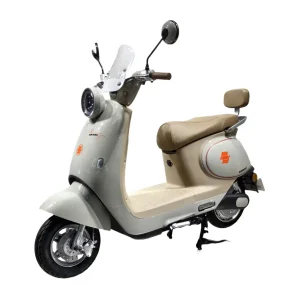
Built with a 27H high-grade magnetic motor, this scooter offers an smart overtaking mode and 3-speed control system for dense urban traffic navigation.
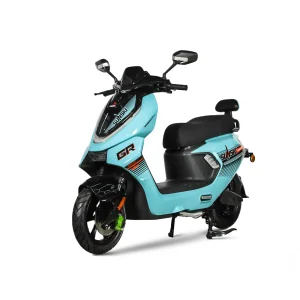
A balanced design offering high-speed performance for urban logistics, boasting a top speed of 80km/h and a tested 70km battery range.
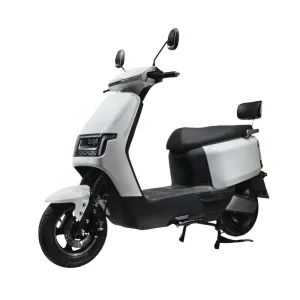
Featuring an efficient 2000W hub motor and complete EEC compliance documents, making standard road registrations smooth and efficient.
A cargo model designed for parcel logistics companies, featuring factory-direct chassis components to handle frequent stop-and-go wear.
Built with custom CNC rear suspension components and lightweight forged rims, this vehicle offers a highly agile option for rapid courier operations.
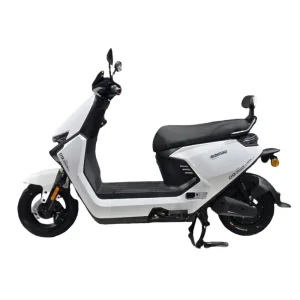
An affordable, low-maintenance urban scooter option that pairs a 1200W power system with a standard 80km maximum operating range.
Our flagship 3000W performance model, configured with heavy-duty forged wheels and adjustable rear springs for long-distance suburban courier routes.
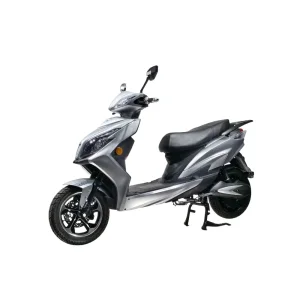
A highly stable 1200W utility motorcycle, certified to EEC standards for low energy consumption and long battery lifecycles.
Key information regarding regulations, procurement, logistics, and localized customization for the Japanese market.
Licensing requirements depend on the rated power output under Japanese law. For models up to 0.6kW (Class 1), a standard motorized bicycle license (Gentsuki) is required. For models rated between 0.6kW and 1.0kW (Class 2), operators must hold a Class 2 motorized bicycle license or a standard automotive license. Higher performance units (above 1.0kW up to 20kW) require a light motorcycle license (Futsu Nirin).
Our engineering team configures vehicles to meet standard Japanese road rules at the factory. This includes installing compliant rear plate brackets, left-side adjusted lighting to avoid oncoming glare, side reflectors, and integrated horns. Customers receive standard manufacturer certificate documentation to assist with registration at local municipal ward offices in Osaka.
Yes. We specialize in configuring OEM cargo racks. We can manufacture customized mounts for insulated thermal boxes, active refrigeration cooling systems, or standard heavy-duty lockable cargo containers, depending on your delivery needs.
Transit from our manufacturing hub in Wuxi to the Port of Osaka (Nanko) is highly efficient. Production and quality control generally take 20 to 30 days. Shipping from Shanghai or Ningbo ports to Osaka takes approximately 3 to 5 days, resulting in a total timeline of 30 to 45 days from order confirmation to port arrival.
Our advanced BMS units include thermal protections designed to maintain optimal battery performance. While cold conditions can reduce range by 10-15%, our high-density lithium-ion packs maintain power delivery throughout Osaka's moderate winter season.
Yes, all smart charging systems provided with our vehicles are configured for Japanese domestic 100V-110V grids and carry the mandatory PSE certification to prevent local electrical hazards and comply with local fire regulations.
 Lingmo