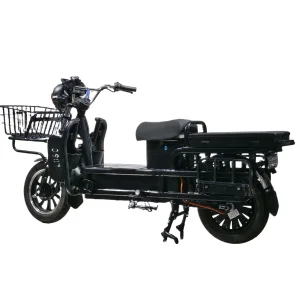
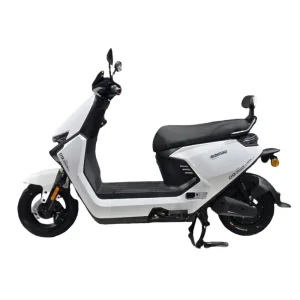
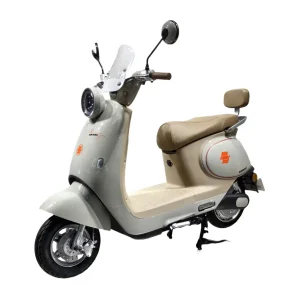
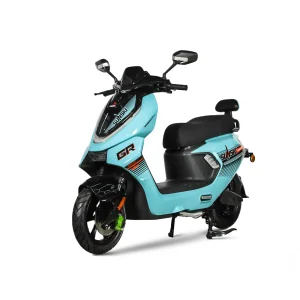
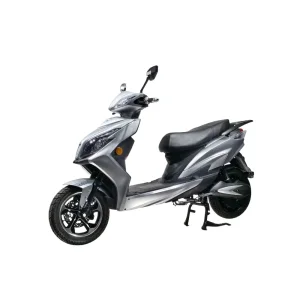
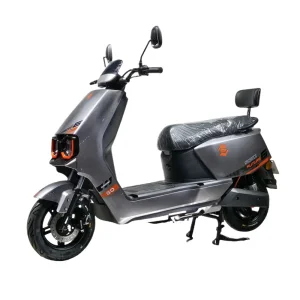
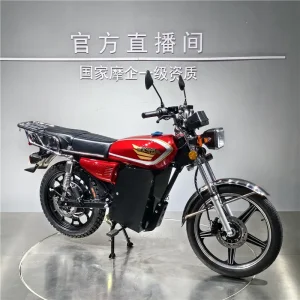
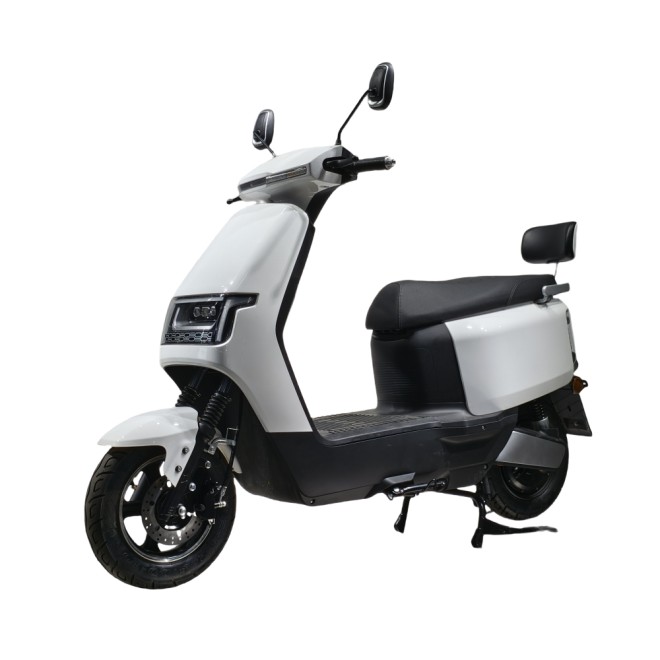
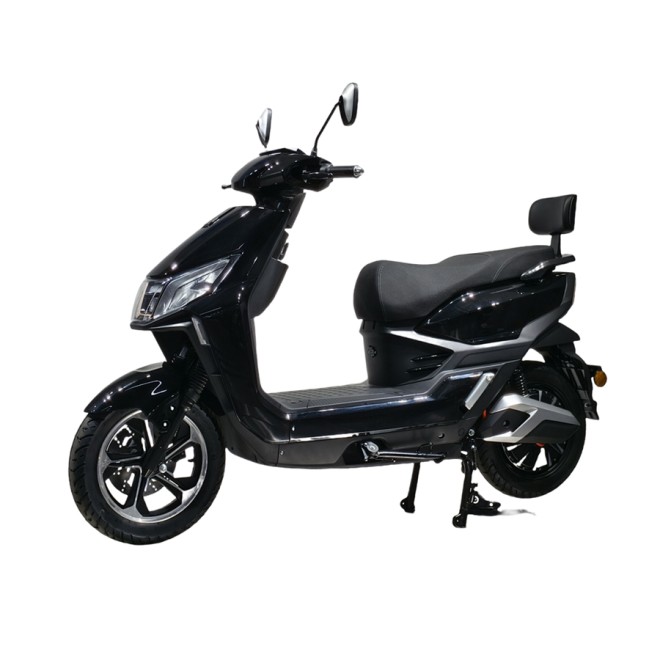
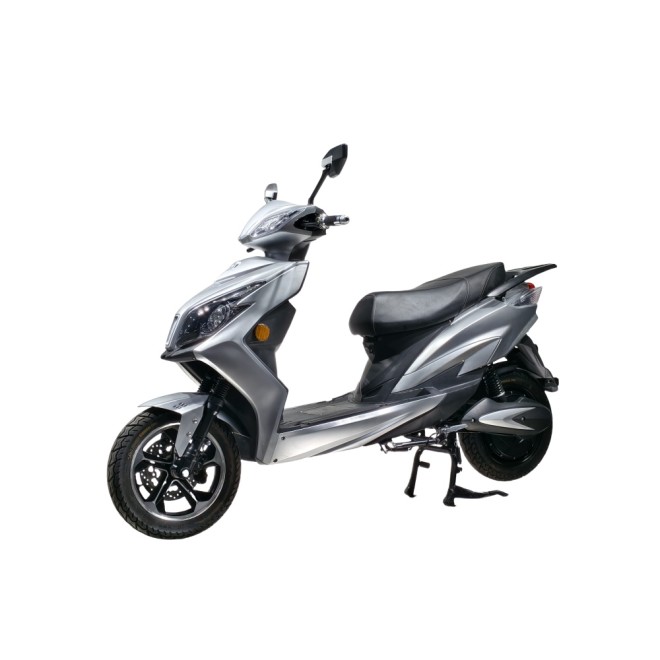
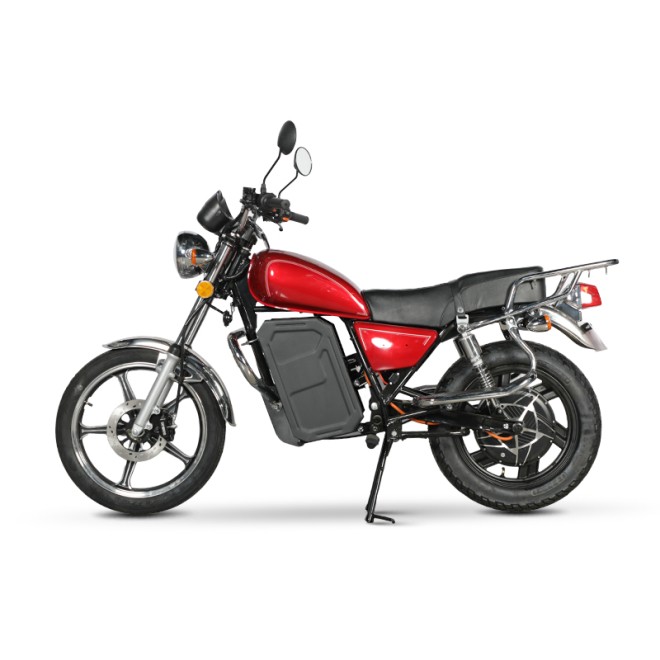
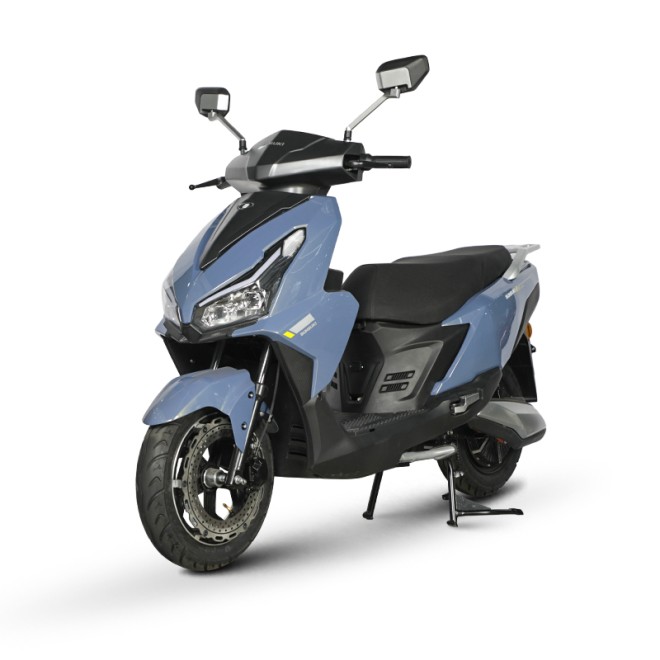
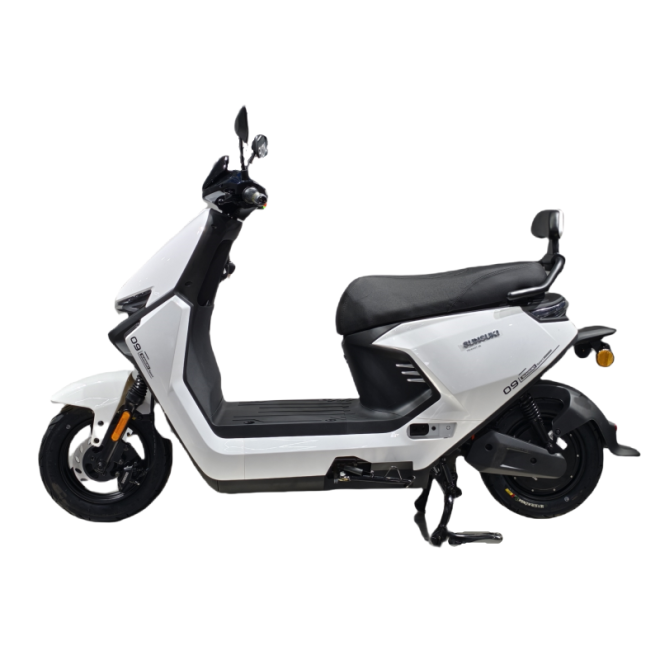
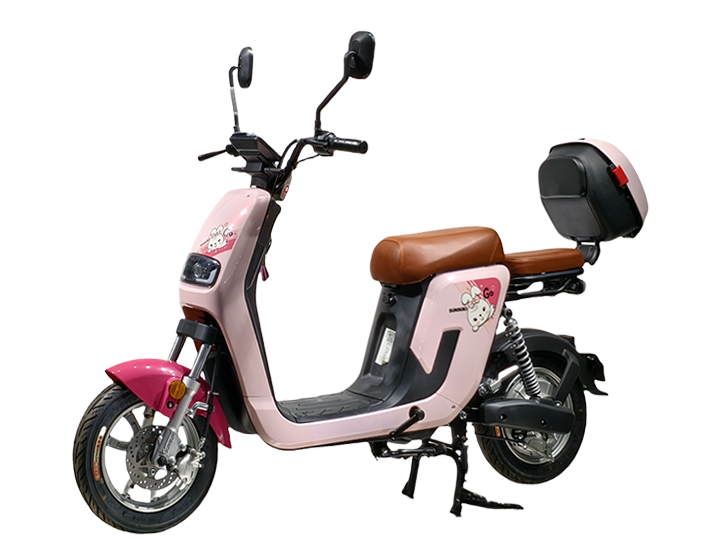
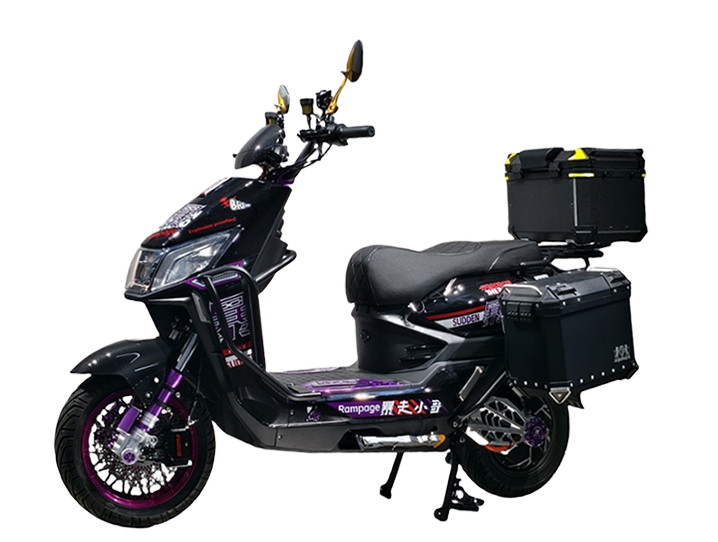
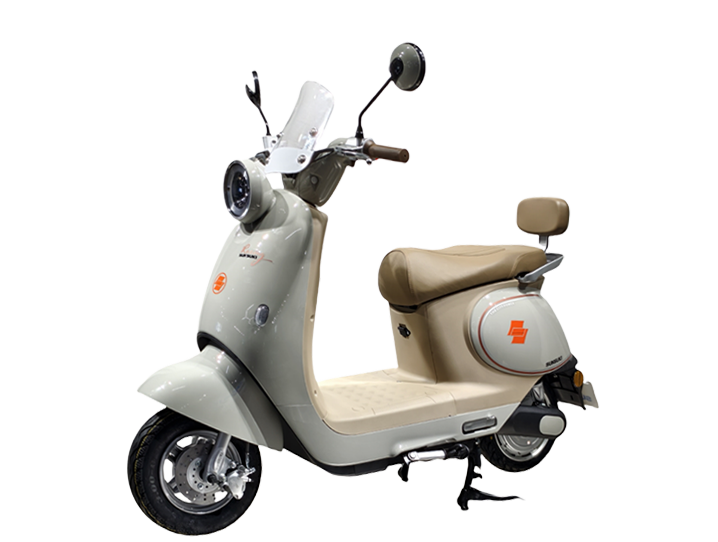
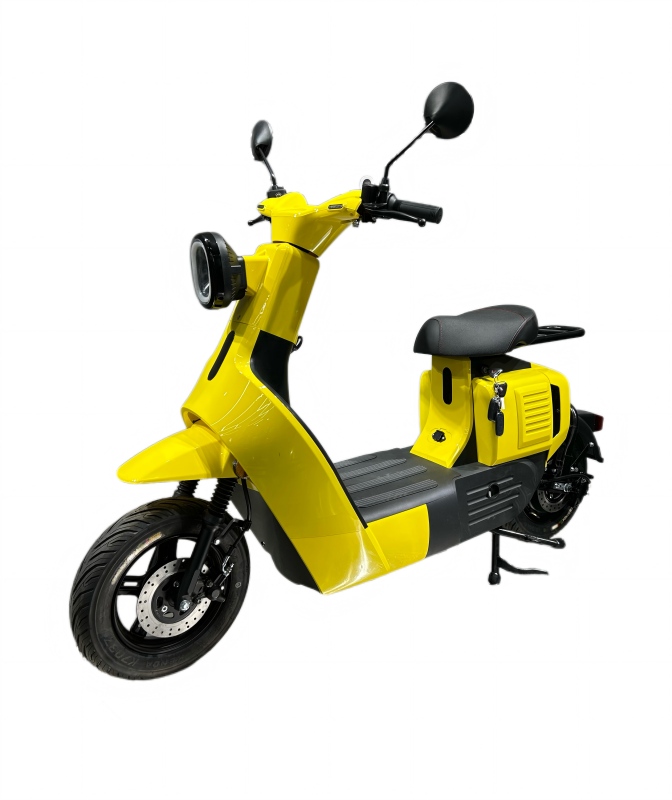
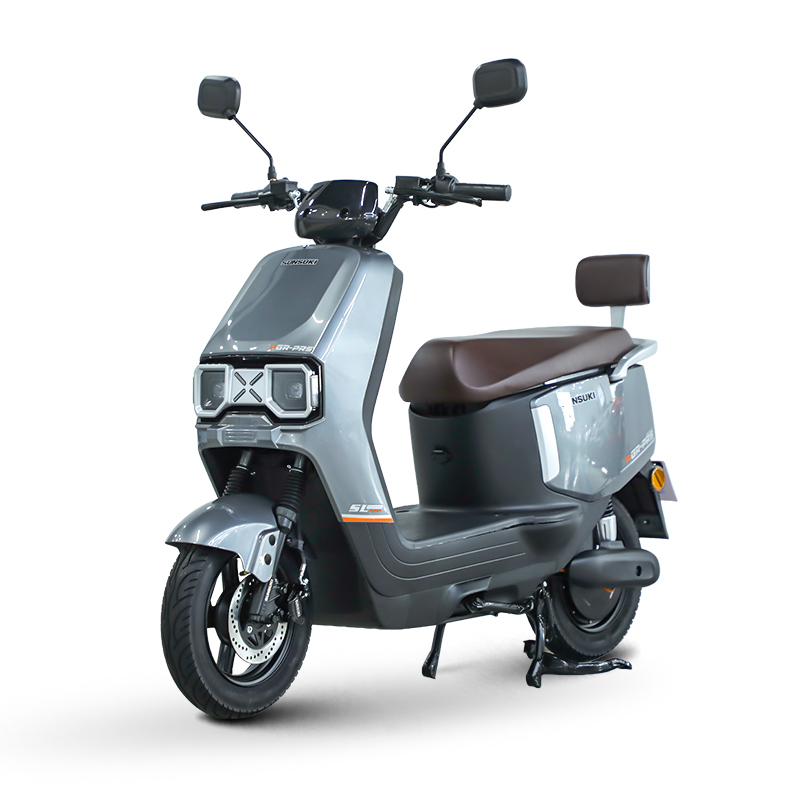
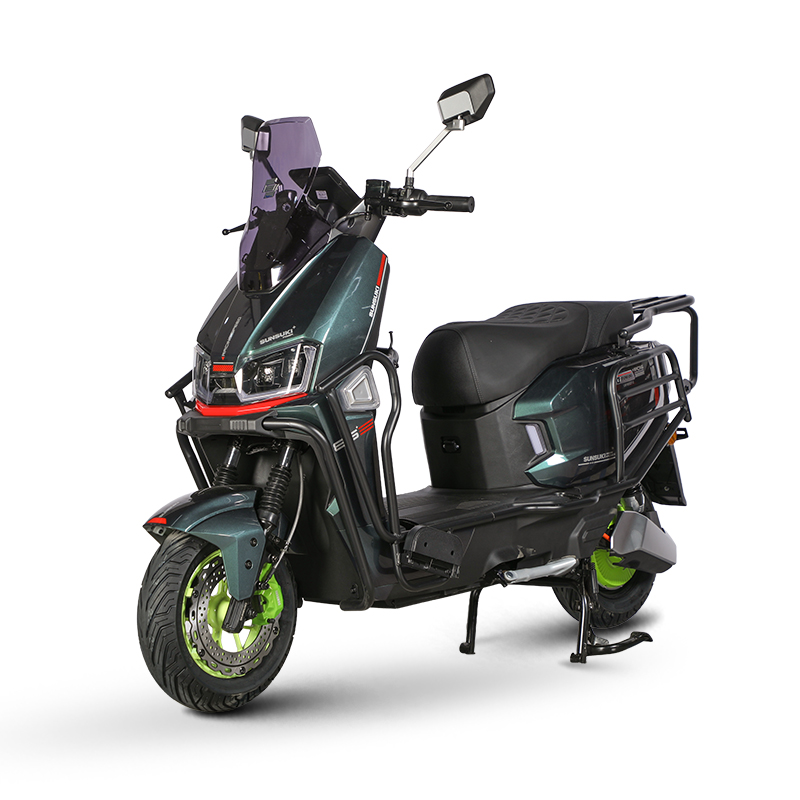
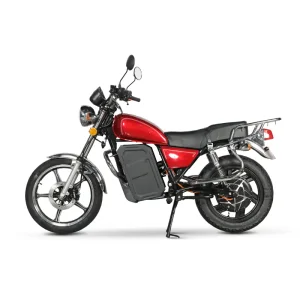
Wholesale Electric Two Vehicle Products & Product Solutions

Premium B2B Supply Chain & Custom Engineering from China's Foremost Electric Vehicle Manufacturing Hub. EEC/E-Mark & CCC Certified High-Performance Urban Transport Solutions.

Strategic Insights: The Global Shift in Electric Two-Wheeler (E2W) Adoptions

Analyzing micro-mobility frameworks, zero-emission target compliance, and the massive growth in B2B delivery fleets.

The global energy landscape is transitioning at an unprecedented speed, accelerating the demand for efficient, scalable, and emission-free logistics. Within the micro-mobility sector, Electric Two-Wheelers (E2Ws)—spanning smart commuter scooters, high-speed electric motorcycles, and heavy-duty cargo mopeds—represent the most direct and economically viable pathway to decarbonized urban transportation. Driven by stringent municipal emission regulations, corporate ESG targets, and the explosive rise of the last-mile gig economy, multinational fleet operators and distributors are actively seeking robust manufacturing partnerships to future-proof their supply chains.

Micro-Mobility Efficiency

Urban traffic densities have rendered traditional combustion delivery vehicles counterproductive. Modern electric scooters and cargo bikes bypass gridlock, utilize bicycle infrastructure where legally permitted, and experience minimal downtime.

SEO Value: Highly optimized for short-haul urban transit algorithms, reducing last-mile operational expenses by up to 60% compared to fossil-fueled options.

Compliance & Certifications

Exporting to European and North American markets requires rigorous adherence to safety standards. Our production lines are built specifically to secure prestigious European Economic Community (EEC/E-Mark) certifications.

SEO Value: Guarantees legal street registration, smoothing customs clearance and mitigating compliance risks for global enterprise buyers.

TCO Optimization

The total cost of ownership (TCO) is the primary metric for fleet procurement. By eliminating internal combustion maintenance (oil changes, exhaust wear, spark plugs) and shifting to electric drivetrains, B2B fleets maximize uptime.

SEO Value: Lower energy costs per kilometer and long-lasting brushless hub motors ensure a rapid return on investment (ROI).

Corporate Authority

SUNSUKI: Pioneering the E2W Industrial Ecosystem in Wuxi

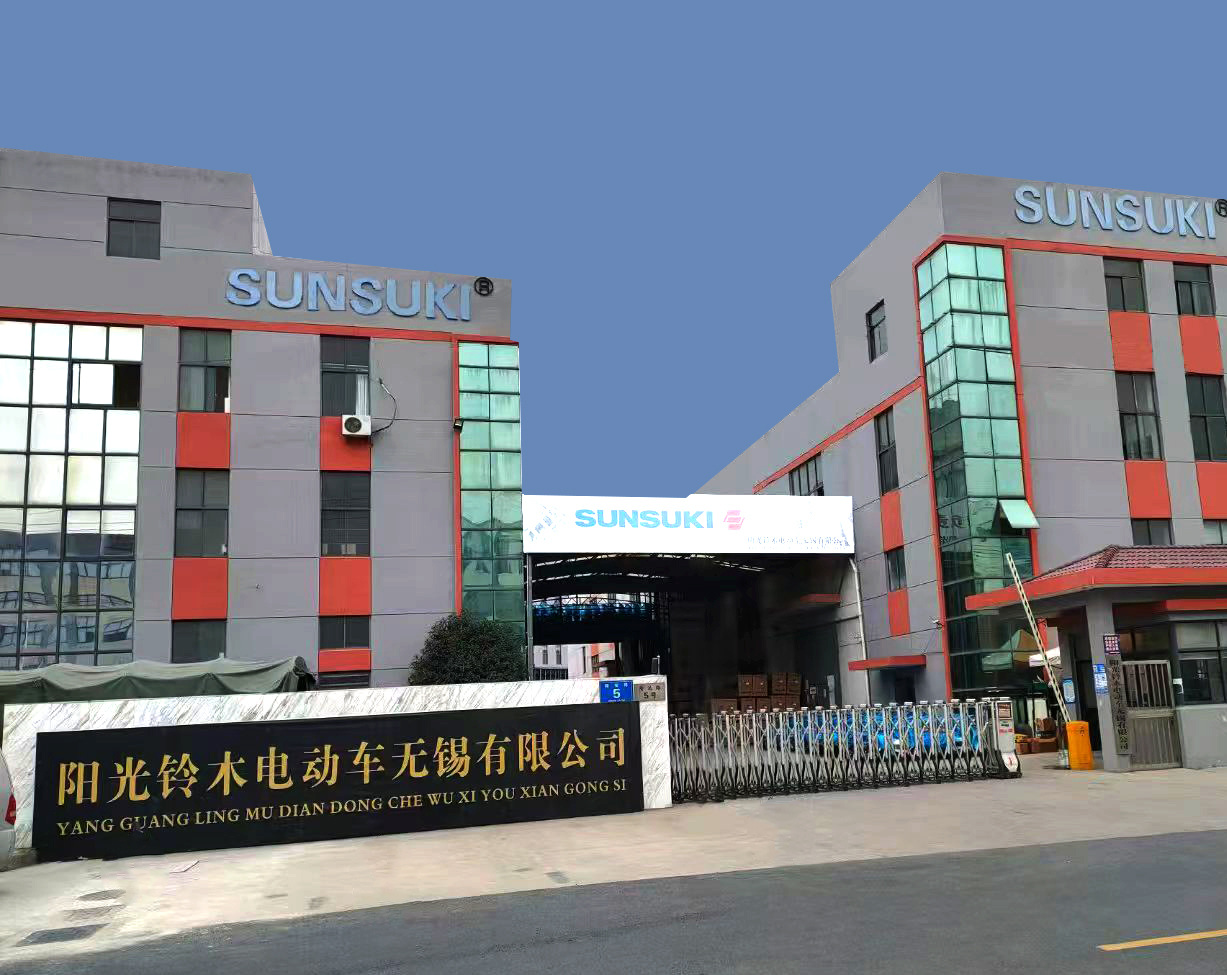
Nestled within the prestigious Dacheng Industrial Park in Xishan District, Wuxi—internationally celebrated as "the Electric Vehicle Capital of China"—Wuxi Lingmo Network Technology Co., Ltd. serves as a dynamic player in the global electric mobility sector. In close, structural collaboration with its robust manufacturing partner, Yangguang Lingmu Electrocar Wuxi Co., Ltd., the collaborative Sunsuki team was established with a singular, unified vision: to design, engineer, and deliver superior electric vehicles that exceed modern expectations for power, reliability, and safety.
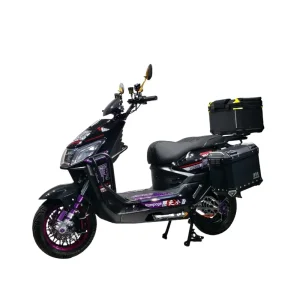
By positioning our core engineering base in Wuxi, we utilize the world's most concentrated and vertically integrated E2W supply chain. From advanced frame welding and precision motor winding factories to high-grade ABS plastic injection facilities and testing complexes, every component of our scooters is refined on-site for optimal performance and cost-efficiencies.

Sunsuki Factory Operations Wuxi
Service Center Icon
3+
Global Service Centers
Factory Icon
3+
Advanced Production Facilities
Countries Icon
80+
Countries Served Worldwide
Team Icon
1+
Dedicated Innovation Team

Unrivaled Advantages of Wuxi-Based OEM/ODM Manufacturing

Why sourcing from Wuxi's Dacheng Industrial Park guarantees structural superiority and pricing efficiency.

Unmatched Supply Chain Density

Wuxi houses over 40% of the world's electric two-wheel vehicle supply chain components. This physical proximity allows Sunsuki to source high-grade steel, advanced brushless motors, and precision wire harnesses in real-time, eliminating domestic logistics delays and lowering production overhead.

Advanced Engineering Customization

Our ODM/OEM partnerships allow enterprise clients to fully customize voltage requirements, battery cell chemistry (Lithium NMC vs LFP vs Lead-Acid), braking systems (regenerative E-ABS vs mechanical hydraulic disc), and smart telematic features (NFC security locks, GPS asset tracking, and multimedia screens).

Strict Quality Control Protocols

Every vehicle leaving our lines undergoes static load testing, dyno-meter performance calibration, weatherproofing validation (rain/spray rooms), and electromagnetic frequency interference tests to confirm adherence to ISO9001, China Compulsory Certification (CCC), and European e-mark regulations.

Macro-Industry Solution Implementations

Providing bespoke, localized setups for various municipal and logistical frameworks globally.

Flagship Engineering Models: Technical Deep-Dive

Proprietary builds engineered for maximum operational uptime and superior power conversion.

Rigorous Global Compliance & Quality Certifications

Our products conform to major international standards, easing market entry, vehicle registration, and fleet rollout.

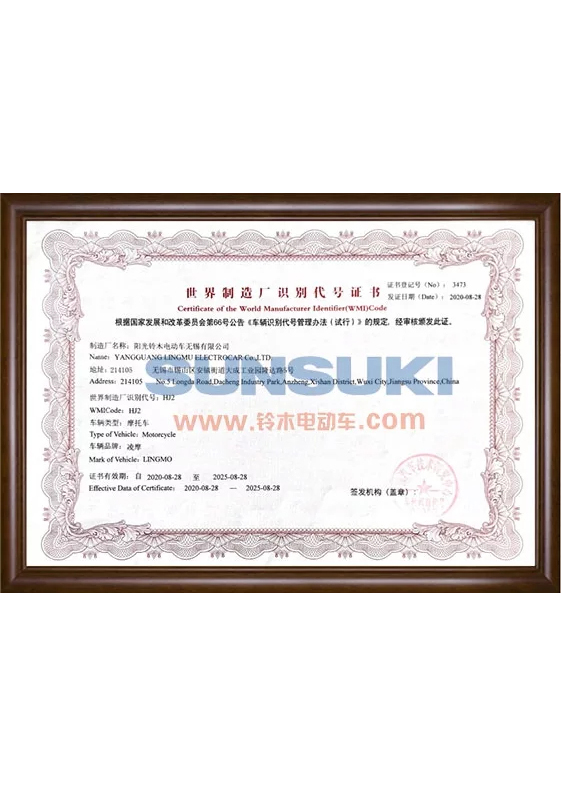
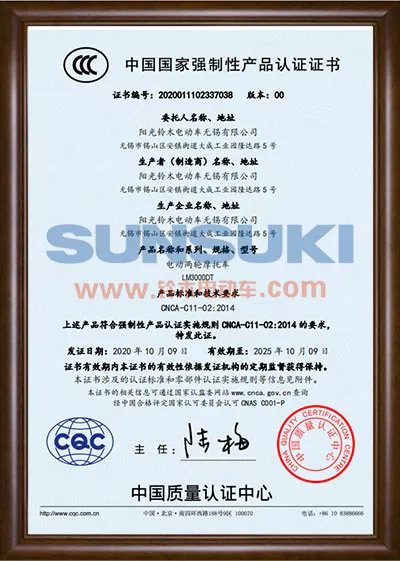
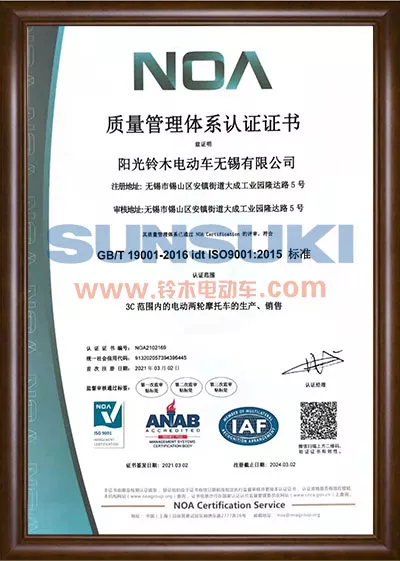
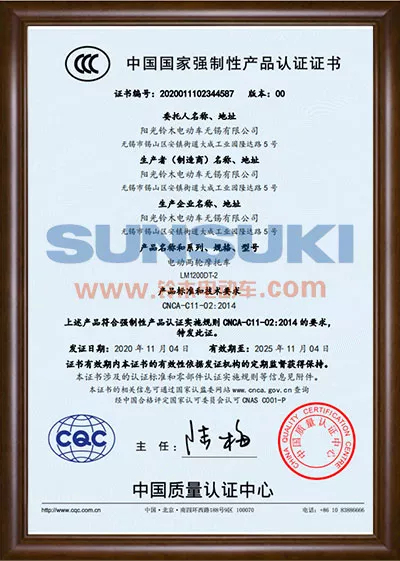
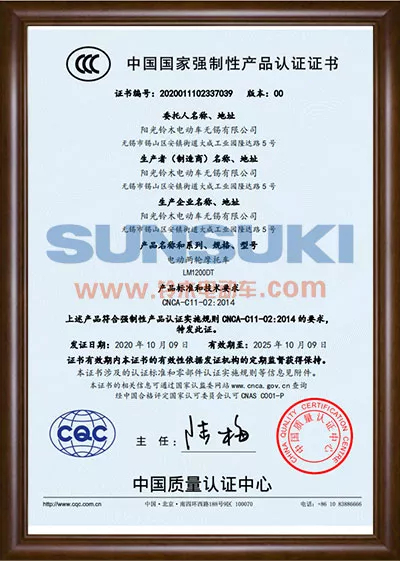
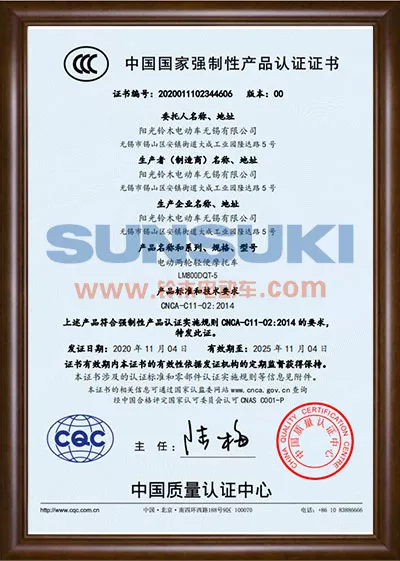
Our partner facilities hold prestigious quality designations, including the ISO9001 Quality Management System, the China Compulsory Certification (CCC), and European EEC/E-mark homologation. This ensures structural frame integrity, battery chemistry stability, and electrical containment fields meet the criteria of world markets.
ISO9001 Certificate Document
EEC Quality Certification Document
Safety Standard Certification Document
Production Compliance Document
CCC National Quality Certificate Document
Homologation Document

Expert Procurement & Technical FAQ

Providing clear, detailed engineering answers to the most common questions from international bulk buyers.

Q1: What are the key advantages of selecting Wuxi-based manufacturing for global E2W sourcing?
Wuxi, specifically Xishan District and Dacheng Industrial Park, functions as a highly integrated cluster for electric two-wheel vehicles. By housing sourcing networks for copper-wound motors, smart battery management systems (BMS), high-tensile steel frames, and advanced controller modules in a single location, Sunsuki optimizes manufacturing efficiency and logistical speed. This direct sourcing translates to reduced component costs, consistent part tolerances, and accelerated timeline coordination for high-volume custom orders.
Q2: How do your lead-acid and lithium battery management systems (BMS) compare?
Our models, such as the N95-S, support modular configurations. Lithium battery configurations (utilizing NMC or LFP cells) offer higher energy densities, significant weight reduction, and longer cycle lives (typically 1,500 to 2,000 charge cycles at 80% Depth of Discharge), making them suitable for high-mileage delivery fleets. Lead-acid options are cost-efficient for shorter commuter routes but carry a heavier footprint and lower cycle life (around 400 to 600 cycles). Every lithium layout features an advanced BMS with voltage balancing, high-temperature cutoff protection, and over-discharge prevention.
Q3: What parameters are checked for EEC (European Economic Community) homologation?
EEC certification requires comprehensive validation across multiple safety areas: electromagnetic compatibility (EMC) of the controllers, electronic speed-limiter accuracy (e.g., restricted to 45 km/h for moped classes or open speeds for high-performance classes like the VRS at 85 km/h), dual circuit braking efficiency, photometric capabilities of LED light arrays, and mechanical chassis load capabilities. Our certified series are fully EEC-compliant and ship with Certificates of Conformity (CoC) to facilitate registration within EU territories.
Q4: What is the technical difference between PU Paint and UV Paint on ABS plastic fairings?
Polyurethane (PU) paint is cured through a chemical cross-linking reaction, providing high film elasticity, stone-chip resistance, and excellent adhesion to ABS substrates. Ultraviolet (UV) paint is cured instantly via high-intensity UV exposure, creating a hard, dense surface layer with superior scratch resistance and chemical immunity. We select PU basecoats for color depth and elasticity on impact-prone panels, combined with UV-cured clearcoats to prevent long-term solar degradation.
Q5: Can you integrate third-party telematics and GPS tracking systems for fleet management?
Yes, our smart platforms (including the XC Smart Scooter and VRS Commuter) support direct CAN-bus and OBD-II telemetry integrations. This allows fleet operators to fetch real-time battery status, track geographic positioning, run remote engine disable commands, monitor E-ABS activation, and log diagnostic codes. We offer complete custom wiring setups to support various third-party IoT tracking modules.
Q6: How does the E-ABS regenerative braking system function?
The Electronic Anti-lock Braking System (E-ABS) works by reversing the electromagnetic polarity inside the brushless DC hub motor upon brake lever engagement. This action generates a controlled counter-torque that decelerates the wheel and captures kinetic energy, converting it back to electrical energy. This current is routed through the intelligent motor controller to recharge the battery, increasing overall range efficiency by 5% to 8% while reducing friction wear on the brake pads.
Q7: What is the typical lead time and minimum order quantity (MOQ) for custom OEM orders?
Standard OEM production runs generally have an MOQ of one 20-foot (GP) or 40-foot (HQ) container, depending on the model's footprint. The typical manufacturing turnaround ranges from 30 to 45 days after deposit confirmation and design sign-off. If you require custom frame colors, graphic packages, or specific battery pack configurations, the engineering verification phase may extend the initial shipping schedule.
Q8: How are vehicles protected against corrosion and moisture during ocean shipping?
Every vehicle undergoes a specialized packaging protocol: all metal components are treated with a light anti-rust mist, critical electronic connections are wrapped in waterproof seals, and the vehicle is secured inside a heavy-duty steel mounting frame. The entire structure is wrapped in thick, anti-humidity plastic film containing desiccant packs before being loaded into double-wall corrugated shipping boxes to withstand long ocean transits.