B2B ready electric scooters and high-performance cargo vehicles constructed to global safety and utility standards.
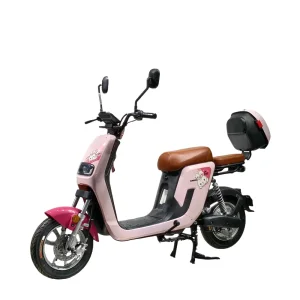
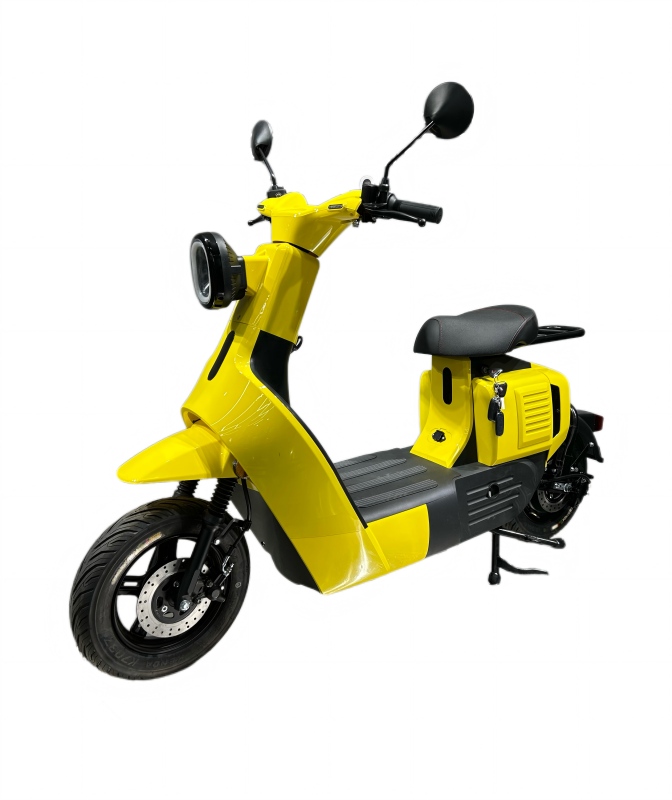
Patented design for city commute featuring 60km range and factory compliant built framework.
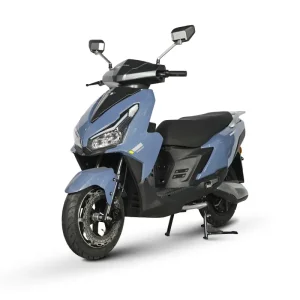
Smart commuter electric motorcycle with integrated GPS, multimedia display, and top-tier control boards.
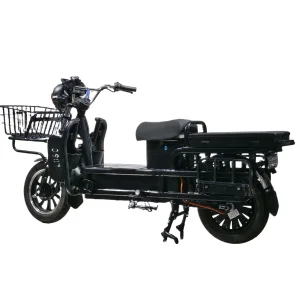
1200W motor coupled with a heavy duty 72V configuration. Built for high load capacity tasks.
High-end digital dashboard, GPS capabilities, and stable hub-motor configuration.
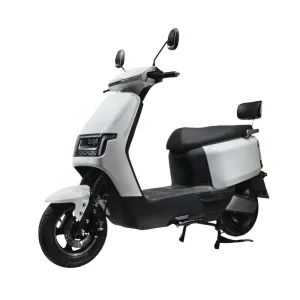
Boasts an 80km/h top speed backed by complete EEC certification for European road legality.
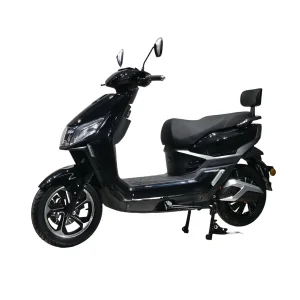
EEC certified commuter frame, providing long range and efficient power delivery systems.
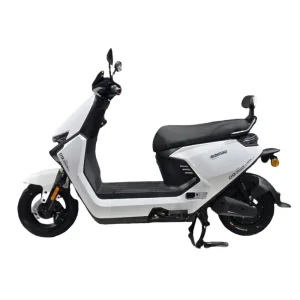
Dual disc braking mechanism ensuring commuter safety with an extended range of 80km.
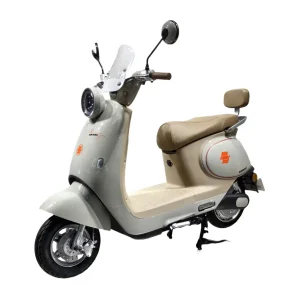
Fitted with a 27H motor, smart overtaking mode, and adjustable 3-speed control system.
Analyzing the global transition towards light electric vehicles (LEVs) and the critical role of flexible ODM pipelines.
The global transportation ecosystem is undergoing a generational shift. Urban centers face unprecedented challenges: traffic congestion, emissions mandates, and rising energy costs. Governments globally are setting strict Net-Zero targets by 2050, resulting in tight regulatory constraints on classic internal combustion engines (ICE). According to industry analyses, the global market for electric two-wheelers is expected to expand at a compound annual growth rate (CAGR) of over 10% from 2024 to 2032. This rapid shift requires dynamic manufacturing responses.
In regions such as the European Union and North America, urban micro-mobility and cargo delivery fleets are leading this electrification wave. Commercial operators demand vehicles designed with extended duty cycles, high payload safety margins, and simple compliance profiles. For instance, delivery fleets require heavy-duty electric cargo motorcycles designed to run multiple consecutive shifts. Meanwhile, daily commuters require lightweight, cost-effective scooters that do not sacrifice safety or battery range.
This is where Original Design Manufacturing (ODM) becomes crucial. Global distributors, vehicle importers, and localized brands require tailored designs that align with regional regulatory certifications—such as EEC compliance in Europe or DOT certifications in the US—without paying the high R&D costs of building proprietary platforms. An experienced ODM partner provides proven, pre-certified chassis layouts, motor technologies, and battery configurations, allowing businesses to bring branded vehicles to market rapidly and reliably.
Navigating the complex landscape of international certifications including EEC, e-mark, and CCC to ensure legal operation across jurisdictions.
Integrating real-time hardware telematics, GPS vehicle locating, and OTA diagnostics directly into fleet dispatch networks.
Interchangeable plastic fairings, adaptable frame geometries, and flexible battery compartments support diverse applications.
The engineering developments defining the next generation of electric motorcycles and scooters.
Designing modern electric light vehicles goes far beyond basic component assembly. Next-generation two-wheelers must balance motor performance, energy density, active thermal management, and smart integration. To ensure high efficiency, our technical roadmap focuses on optimization across three main areas:
Most urban commuter vehicles rely on brushless direct current (BLDC) hub motors, which are integrated directly into the wheel rim. This design eliminates mechanical losses from chains or belts, improving overall energy efficiency and reducing maintenance needs. For higher-performance applications like the R1 Electric Performance Motorcycle, mid-drive motors paired with advanced controllers are used to optimize weight distribution and torque response.
The choice of battery chemistry directly affects weight, lifespan, and safety. Lithium Iron Phosphate (LFP) cells are known for their long life and high thermal stability, making them ideal for heavy-duty cargo applications. Nickel Manganese Cobalt (NMC) cells offer high energy density, providing long range in lightweight commuter scooters. Every pack is monitored by a smart BMS that balances cell voltage, prevents overcharging, and controls temperature to protect battery life.
E-mobility is becoming increasingly data-driven. Modern commuters expect smart features like NFC unlocking, Bluetooth app support, GPS locating, and integrated multimedia displays. These additions improve vehicle security, make fleet management more efficient, and provide riders with real-time analytics.
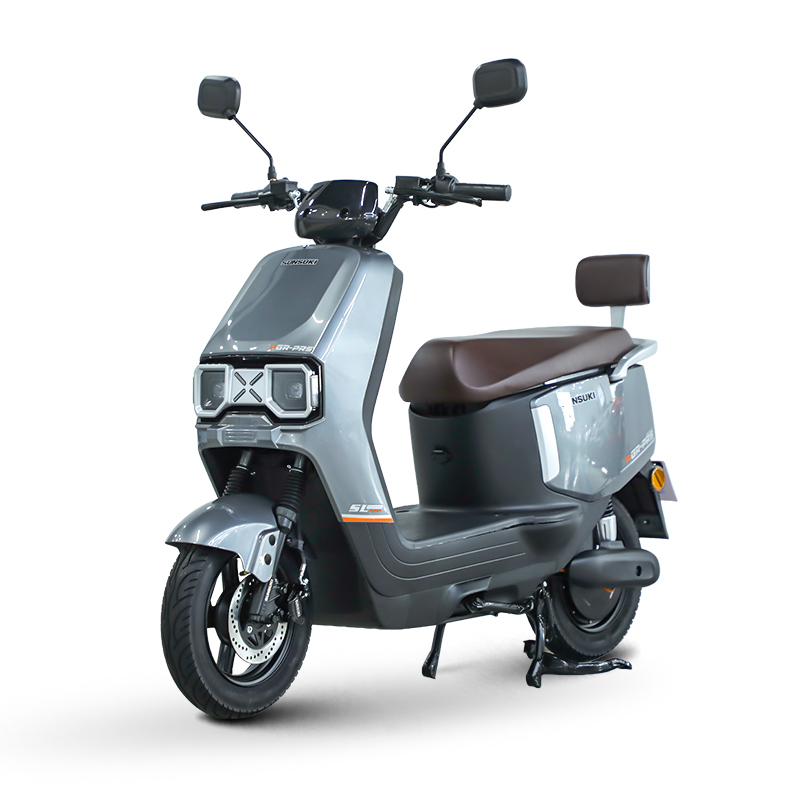
Models like the M2, G18, and Q60 are built specifically to navigate congested city streets. Featuring highly efficient hub motors ranging from 400W to 1800W, these scooters deliver reliable, clean performance. Optional E-ABS (Electronic Anti-lock Braking System) and regenerative braking help reclaim kinetic energy, extending urban riding range by up to 10%.
View Smart Tech Specs →
How our location in China's prime electric vehicle hub supports global quality and reliable supply chains.
Located in the Dacheng Industrial Park in Wuxi—recognized as the "Electric Vehicle Capital of China"—Wuxi Lingmo Network Technology Co., Ltd. is a key manufacturer in the light electric vehicle sector. Working closely with our partner Yangguang Lingmu Electrocar Wuxi Co., Ltd., the Sunsuki team designs and delivers high-performance, safe, and sustainable electric mobility solutions.
By producing in Wuxi, we have direct access to a mature local supply chain for high-performance motors, precision controllers, durable steel frames, and advanced electronics. This geographic advantage helps keep production highly efficient and cost-effective, allowing us to deliver premium electric vehicles at competitive prices.



Specialized configurations matching the demands of modern commercial and municipal sectors.
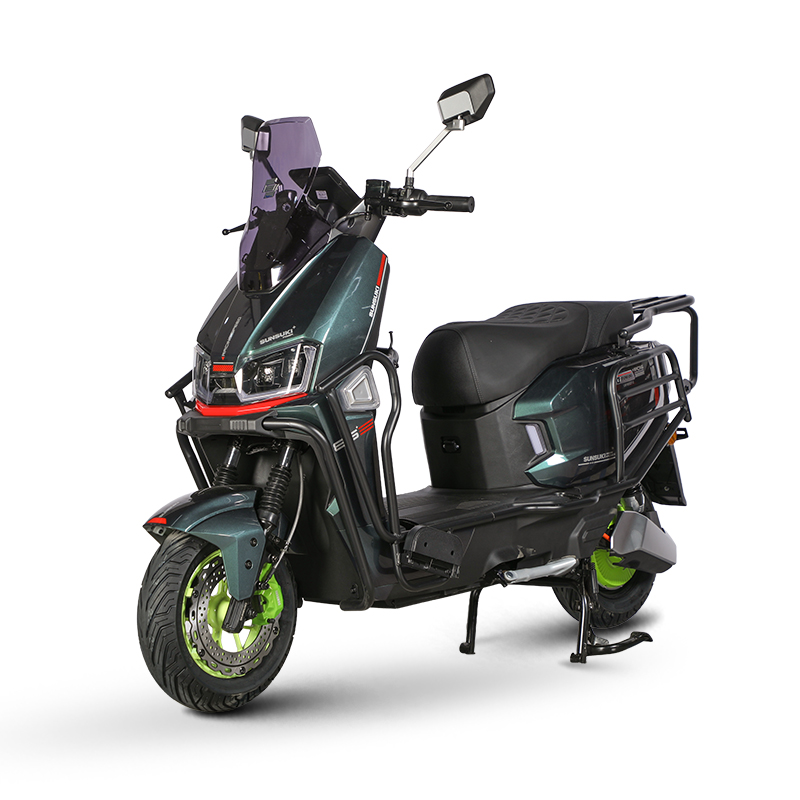
High-load rear racks and dual-battery configurations support demanding postal and food delivery operations.
Learn MoreCompact frame designs, reliable disc brakes, and long range keep city commutes safe and simple.
View MoreHigh-torque powertrains, retro styling, and custom paint designs built for leisure riding.
View MoreOEM integration with factory systems allows remote monitoring and live fleet optimization.
Learn MoreBuilt-in NFC modules, GPS trackers, and durable bodies designed for sharing and rental operations.
Learn MoreCompliance with international regulatory standards ensures smooth importation and licensing.
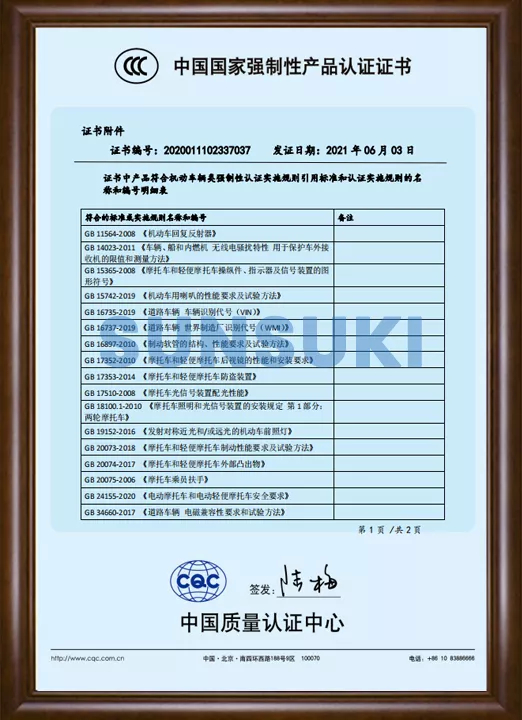
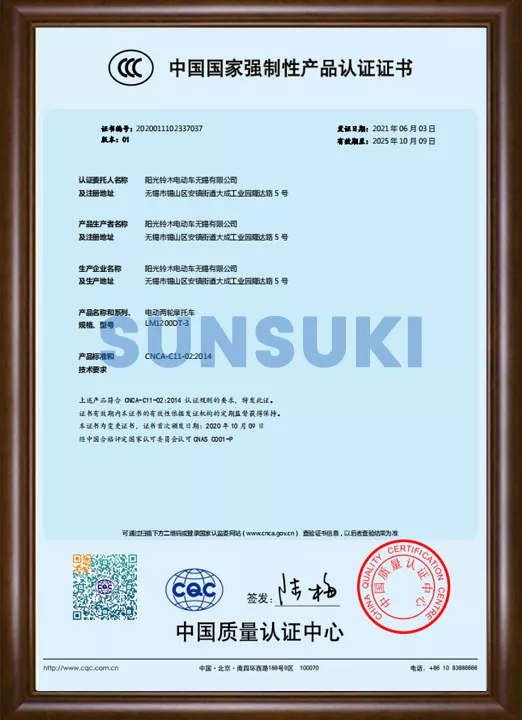
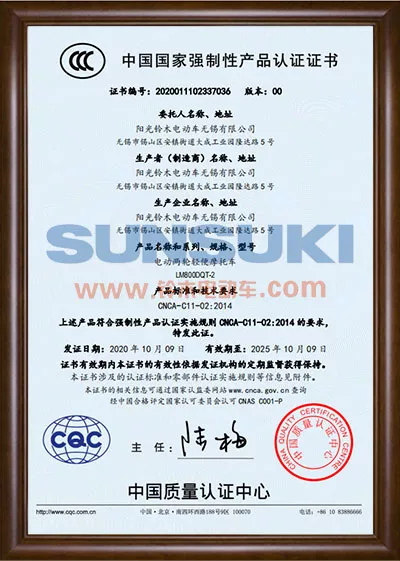
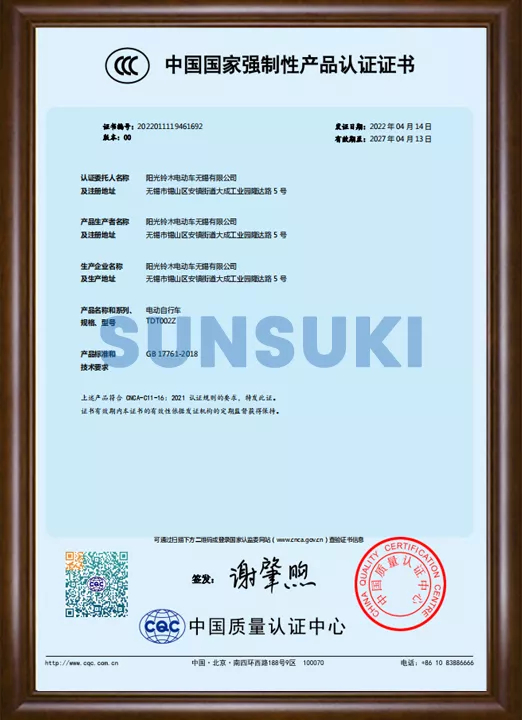
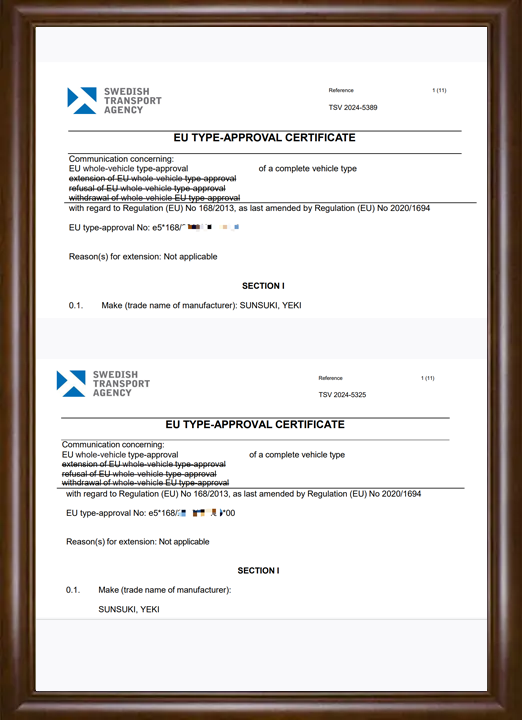
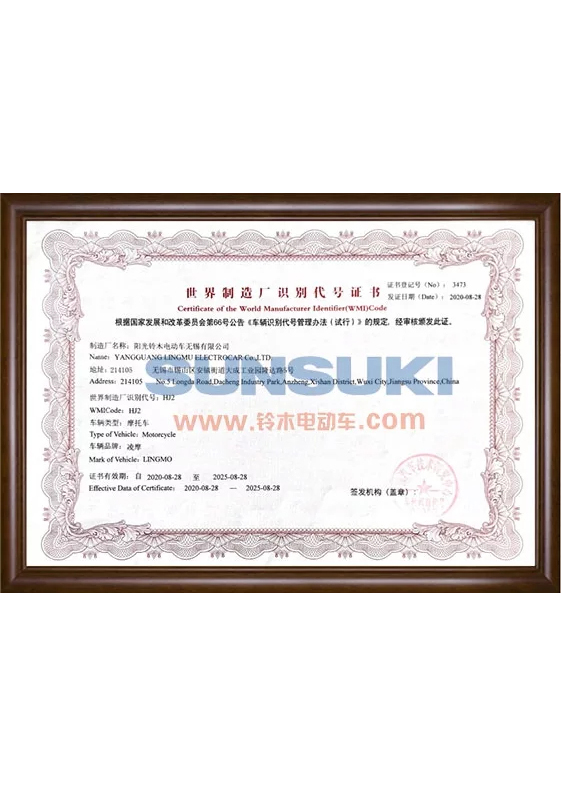
We maintain strict manufacturing controls certified by the ISO9001 quality management system, China Compulsory Certification (CCC), and European e-mark certifications (EEC/CoC). These standards ensure our vehicles comply with road-safety and vehicle-licensing requirements worldwide.
Technical guides and market trends curated by our engineering teams.
The motor is the heart of your electric motorcycle. Proper maintenance and heat management can keep it running efficiently for years.
 Engineering Insights
Understanding paint chemistry helps protect your vehicle's appearance. Learn how PU and UV coatings perform against sun, rain, and wear.
Materials Technology
A deep look at how China built its massive urban charging networks, robust supply chains, and commuter-first electric vehicle policies.
Global EV Transition
High-quality commuter scooters, cargo motorcycles, and smart transit vehicles designed for global markets.
EEC certified commuter build with an 1800W hub motor. Ideal for daily city travel.
Built under strict QC guidelines in Wuxi. Features EEC compliance and reliable motor performance.
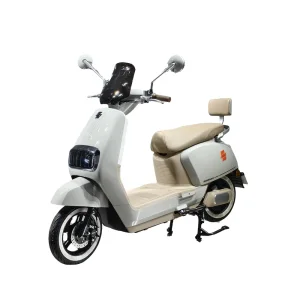
Equipped with a high-torque 35H motor, electronic braking (E-ABS), NFC keyless unlock, and dual fast charging.
Our patented commuter chassis, offering a stable 60km range for everyday city use.
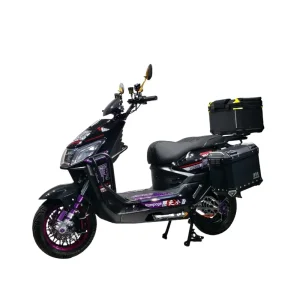
Designed for power. Features a 3000W motor, CNC machined suspension components, and strong forged alloy wheels.
Built for utility. A 1200W motor, high-load suspension, and 12-inch heavy-duty commercial tires.
Smart city riding featuring dual fast-charging ports, NFC unlocking, and an active E-ABS controller.
A cost-effective, long-range scooter featuring a 1200W hub motor and an 80km commuter range.
Answers to key technical, regulatory, and logistics questions from B2B buyers and importers.
 Lingmo