Direct Factory Sourcing Solutions & Global Supply Opportunities
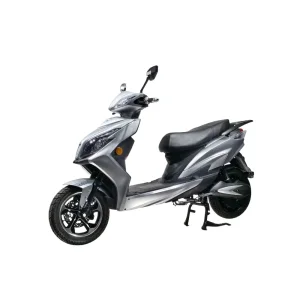
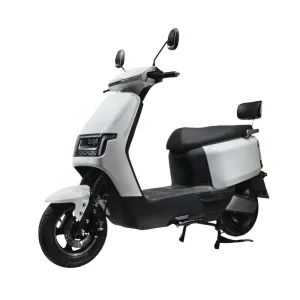
Structural Shifts in Road Electric Motorbike Sourcing & Price Configurations
The global shift toward zero-emission transportation has positioned light electric vehicles (LEVs) as essential assets in contemporary urban logistics, public transit systems, and corporate ESG initiatives. Historically concentrated in regional niche markets, On-Road Electric Motorbikes and intelligent commuter scooters have entered a phase of massive industrial scale. At the center of this structural change is the Xishan District of Wuxi, China, widely recognized as "the Electric Vehicle Capital of China."
Wuxi's industrial ecosystem offers unmatched advantages for global sourcing managers. By integrating key manufacturing stages—such as motor winding, chassis engineering, CNC metal processing, precision mold design, paint curing, and intelligent BMS programming—within a tight industrial cluster, companies like Wuxi Lingmo Network Technology Co., Ltd. (operating with its strategic manufacturing partner Yangguang Lingmu Electrocar Wuxi Co., Ltd. under the Sunsuki brand) achieve substantial cost efficiencies. These operational savings are passed directly to international buyers through optimized unit prices, reducing total cost of ownership (TCO) compared to fragmented assembly operations.
Electric powertrains reduce mechanical complexity by eliminating oil filters, pistons, spark plugs, and gearboxes. This lowers maintenance and service costs by up to 65% compared to internal combustion engine (ICE) alternatives.
With major cities globally establishing Low-Emission Zones (LEZs) and Zero-Emission Zones (ZEZs), electric mopeds and scooters provide uninterrupted access to restricted central business districts, ensuring reliable urban delivery and commuting.
By leveraging high-efficiency magnetic steel brushless DC motors (ranging from 1200W to 3000W) paired with regenerative E-ABS systems, fleet operators can achieve over 90% energy conversion efficiency, limiting exposure to fossil fuel price fluctuations.
Under the Hood of Sunsuki & Lingmo’s Enterprise-Grade E-Mobility Lineup
Sunsuki's engineering platform is designed to resolve the traditional trade-off between purchase price and operational reliability. By selecting high-specification raw materials and integrating proprietary electronic sub-systems, our vehicles meet the standards of industrial delivery fleets, shared mobility networks, and demanding daily commutes. Below is a detailed breakdown of our key technologies:
Unlike standard motors that use 27H or lower-grade magnetic steel, Sunsuki’s advanced platforms (like the XC Smart Scooter) utilize high-coercivity 35H magnetic steel. This ensures thermal resilience up to 120°C, preventing demagnetization and maintaining consistent torque during heavy-load urban climbs.
Our Electronic Anti-Lock Braking System (E-ABS) works alongside dual hydraulic disc brakes. When braking, the system reverses magnetic field vectors to capture kinetic energy, converting it to electrical current and feeding it back into the battery to extend range by 8-12%.
For fleet management, models like the VRS Smart Commuter include a central CAN-bus communication system. This enables real-time GPS tracking, remote diagnostics, geofencing, and keyless starting via encrypted cellular applications.
A key indicator of an electric motorcycle's durability is the finish on its outer fairings. Many entry-level exporters use basic air-dried acrylic finishes that degrade quickly under sun and weather exposure. At Sunsuki, we employ two distinct finishing technologies to protect fairings from environment-induced cracking:
1. PU (Polyurethane) Paint: Polyurethane finishes cure via chemical cross-linking. This creates a flexible, highly elastic topcoat that resists impact and chemical degradation (such as from road salts or acidic rain). It is ideal for commercial delivery motorbikes (like the FC-S 1800W) that experience frequent physical stress.
2. UV (Ultraviolet) Paint: Cured under intense ultraviolet radiation, UV paint forms a high-density, scratch-resistant surface with excellent gloss retention. This makes it ideal for premium commuter scooters (like the R1 Performance Motorcycle), ensuring they retain their appearance and resale value over years of operation.
De-risking Importation & Fleet Deployment Across North America, Europe, and Asia-Pacific
Under EU Regulation No. 168/2013, L-category vehicles (including electric scooters and motorcycles) must obtain Type-Approval certification. Sunsuki models like the G18, E11, and TY are certified to comply with EEC regulations and carry the corresponding European e-mark. This allows importers to register the vehicles directly across all EU member states upon arrival.
Our manufacturing partner's facilities in Wuxi operate under the ISO9001:2015 Quality Management System. Critical components, such as wiring harnesses, lighting arrays, tires, and lithium batteries, undergo China Compulsory Certification (CCC) testing. This ensures each vehicle meets strict requirements for electrical safety, fire resistance, and structural integrity.
To optimize shipping costs, reduce customs tariffs, and simplify local distribution, we support two primary shipping configurations for B2B procurement:
SKD (Semi-Knocked Down): The vehicle is shipped partially assembled—usually with the front wheel, handlebars, and battery packed separately. This configuration reduces assembly time to under 20 minutes per unit upon arrival, making it ideal for standard distributors.
CKD (Completely Knocked Down): The vehicle is shipped as individual components. This minimizes shipping volume, allowing more units per container, and often qualifies for lower import tariffs on auto parts rather than completed vehicles. This option is recommended for established local assemblers and industrial fleet operations.
High-Performance Solutions Built for Modern Transport Demand
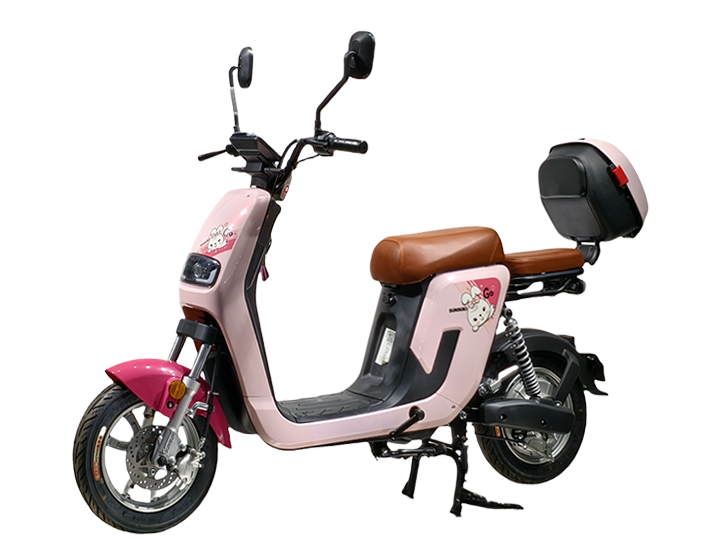
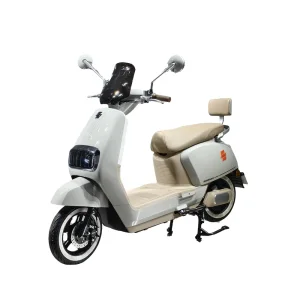
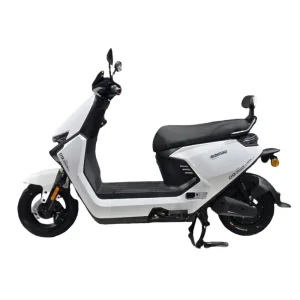
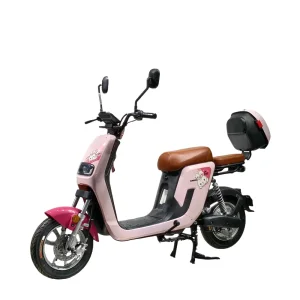
Features a factory patented design, powered by a 400W motor and reliable 48V/20A lead-acid battery. Ideal for low-speed residential applications and internal campus transit.
Request Technical Brochure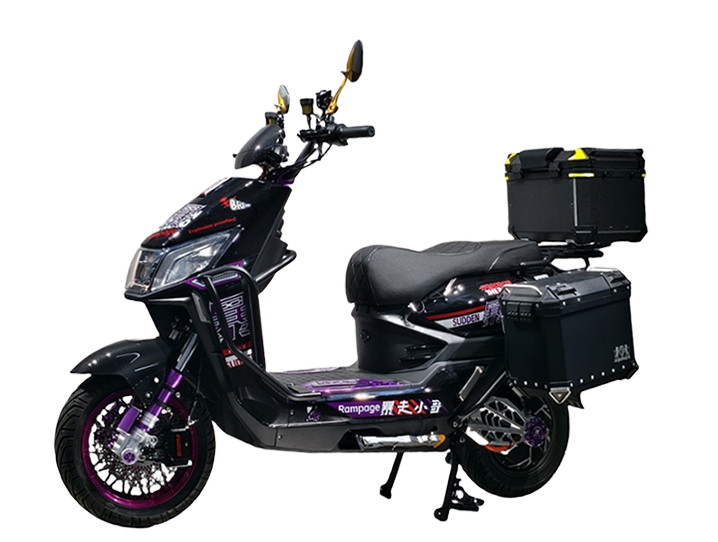
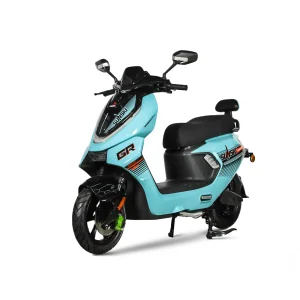
Designed for higher speeds, the R1 features a 3000W hub motor and 80A programmable controller, offering quick acceleration and reliable handling for urban expressways.
Request Technical Brochure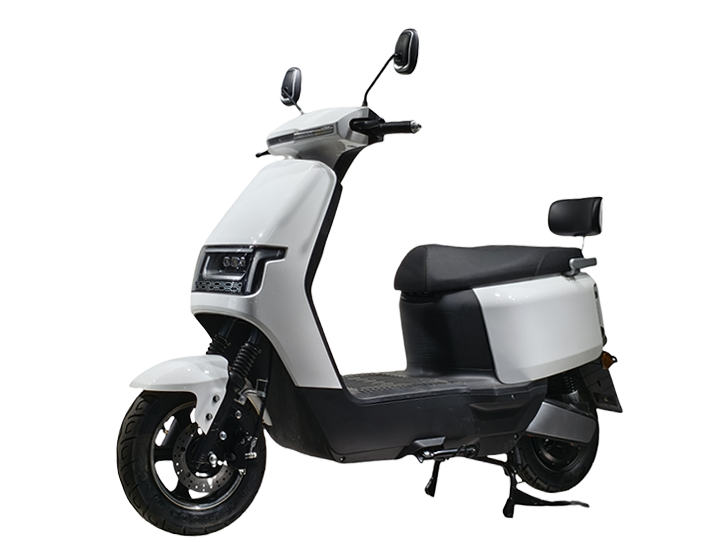
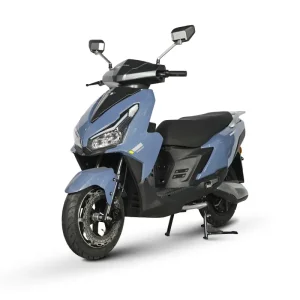
Equipped with a 2000W motor, the E11 reaches speeds of 80 km/h. Featuring full EEC homologation, it serves as a robust solution for urban commuter fleets.
Request Technical Brochure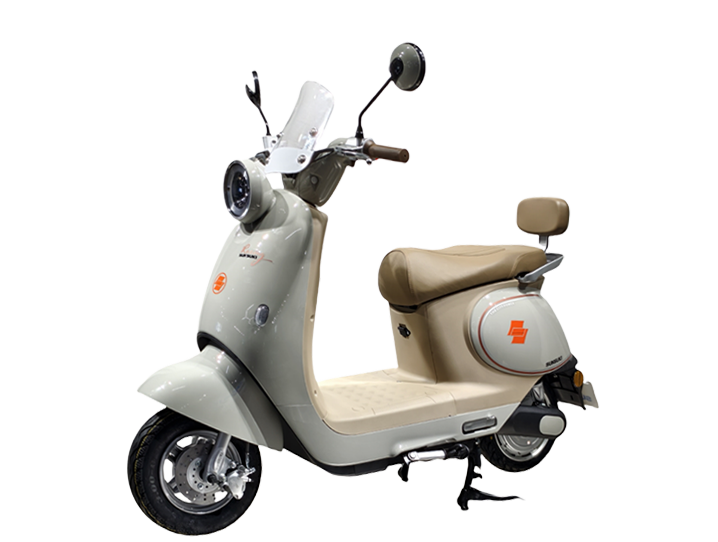
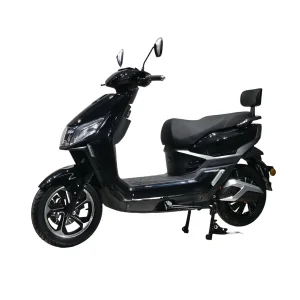
Designed for daily commuting, the Q60 is powered by a 27H magnetic steel motor and features a front disc and rear drum braking system for dependable stopping power.
Request Technical Brochure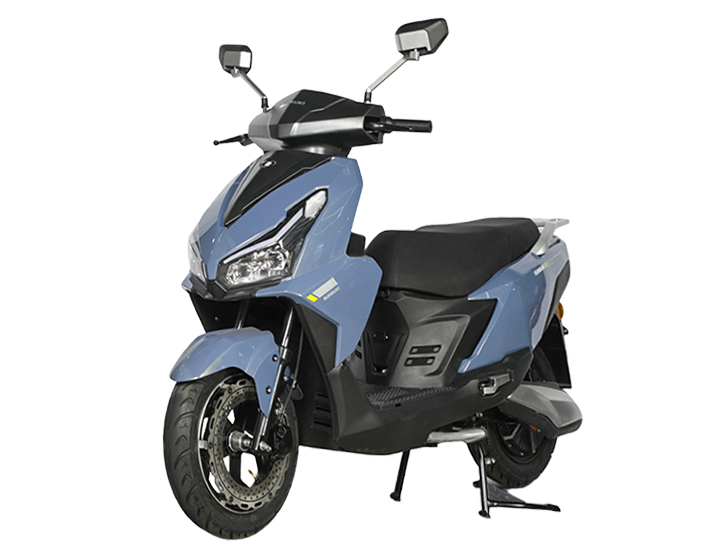
Features a 3000W motor and a 72V 40Ah lithium battery, delivering an 85 km/h top speed and 60-80 km of range for highway-capable urban transit.
Request Technical Brochure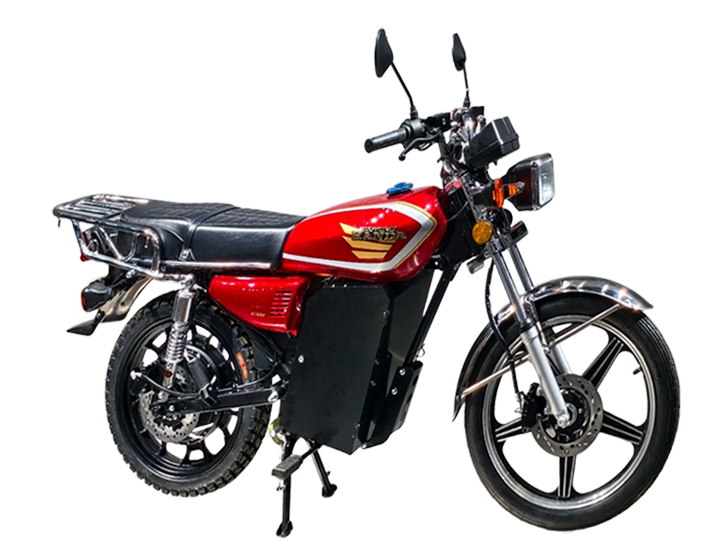
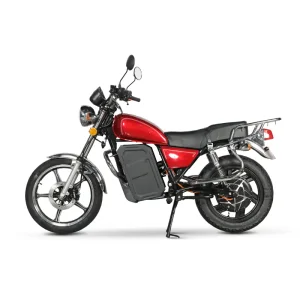
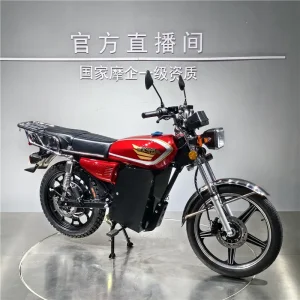
A classic frame design updated with modern electric components. Offers vintage aesthetics with clean, emission-free electric power.
Request Technical BrochureTailored Transport Solutions for Commercial and Daily Operations
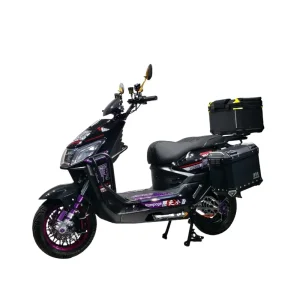
Designed to meet the demands of urban delivery operations. Our heavy-duty frames are engineered to carry reinforced rear cargo racks and insulated food boxes. Models like the FC-S 1800W provide a balance of range, cargo capability, and speed, helping logistics companies lower delivery costs and navigate congested city centers.
For daily commuters, models like the VRS and G18 offer reliable transport with low operating costs. Featuring integrated smart systems, electronic braking, and simple controls, they help commuters avoid city traffic while reducing carbon emissions.
Built for the high-frequency use of shared networks. Our models feature quick-swap batteries and robust frame designs, allowing operators to run continuous services with minimal downtime for recharging. Integrated telematics support real-time fleet tracking and control.
Understanding Direct Factory Pricing Dynamics and Order Customization
When sourcing road electric motorbikes from China, price lists are determined by raw material costs, assembly complexity, and key component specifications. Sourcing managers should consider these variables when evaluating quotes:
Motor power (1200W, 1800W, 2000W, to 3000W) determines the grade of copper windings and controllers. 35H grade magnetic steel and sinus-wave vector controllers increase unit cost but offer better long-term reliability and thermal management.
Lithium-ion batteries (NMC/LFP) represent a significant portion of the total vehicle cost. Lithium chemistries provide higher energy density and a longer cycle life (up to 2000 cycles for LFP). Lead-acid batteries offer a lower upfront cost but have a shorter lifespan (300-500 cycles) and higher weight.
Obtaining European EEC homologation or EPA approvals requires thorough laboratory testing and certification, which is reflected in the unit price. However, these certifications are necessary to ensure the vehicles can be legally registered in target markets.
Key Commercial and Technical Questions for Global Sourcing Managers
Reliable Procurement Options for Commercial and Fleet Operations
 Lingmo