Explore our engineering breakthroughs and robust manufacturing outputs optimized for global urban fleets.
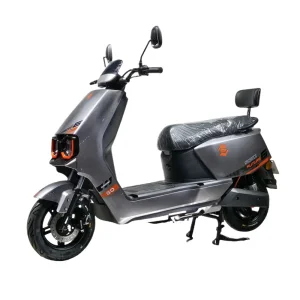
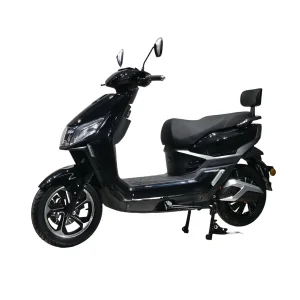
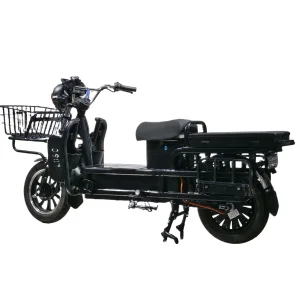
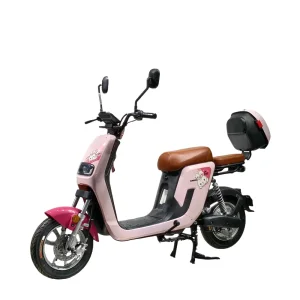
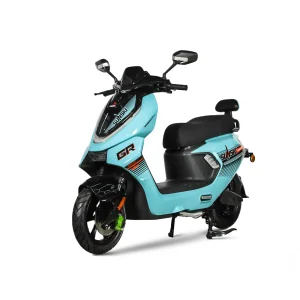
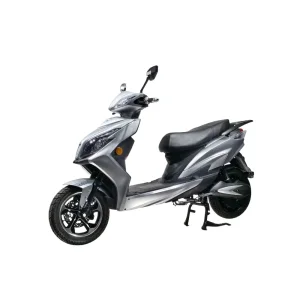
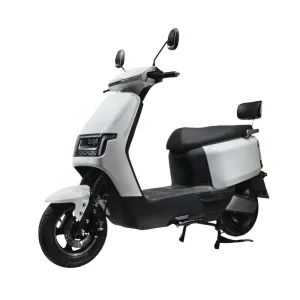
The global electric vehicle landscape is undergoing a monumental paradigm shift, transitionally pivoting from lightweight personal transport to heavy-duty, high-performance commercial integration. The category of "Most Powerful Electric Motorbike" is no longer just a metric for speed enthusiasts but has emerged as a key performance index (KPI) for logistics providers, urban municipal agencies, and distribution networks aiming to lower operating expenditures (OpEx) while meeting strict environmental standards.
In regions such as North America, Western Europe, and Asia-Pacific, urban density combined with zero-emission zone mandates is driving the demand for high-capacity, high-torque electric powertrains. The ability of motor systems between 1200W and 3000W+ to deliver immediate torque output is redefining urban delivery systems. These vehicles offer robust payloads without the noise pollution and intensive maintenance cycles characteristic of internal combustion engines (ICE).
Information Gain Insight: Modern dual-stage vector controllers combined with high-flux brushless DC (BLDC) motors yield a system efficiency above 92%. This performance curve drastically reduces thermal dissipation, allowing electric motorcycles to sustain elevated top speeds (up to 85 km/h) without the risk of magnet demagnetization under prolonged loads.
As the industry matures, three major trends dictate the strategic direction of manufacturers and global distributors:
Transition from standard Lead-Acid batteries to dense NMC and LiFePO4 cells. Systems are integrated with advanced CAN-bus Battery Management Systems (BMS) that regulate cell balancing and prevent thermal runaway.
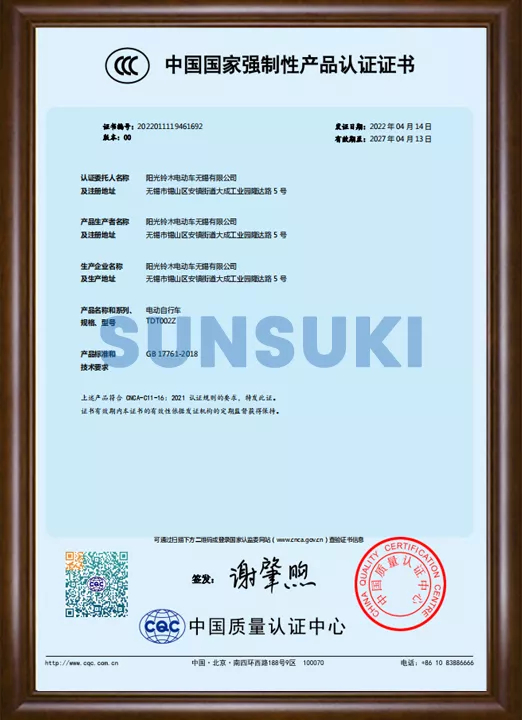
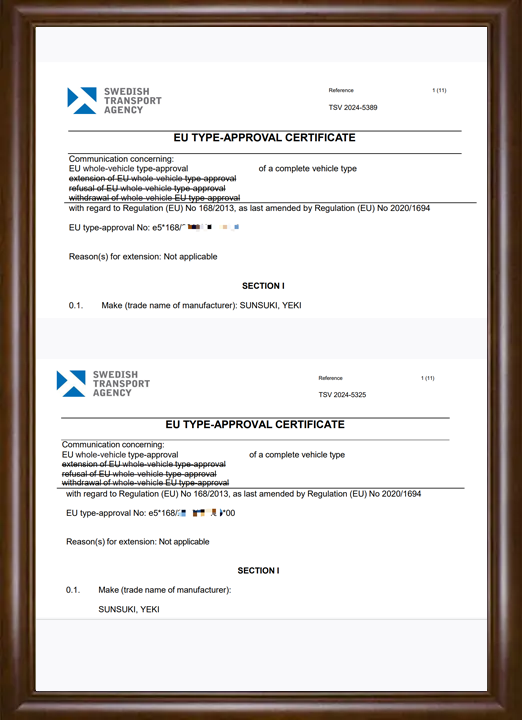
Global entry barriers demand compliance. Models must obtain certifications such as the European EEC (e-mark), Chinese CCC, and ISO9001 quality management guidelines to ensure legal, road-registered status.
Integration of NFC dynamic lock modules, high-definition TFT multimedia dashboard units, integrated GPS tracking, and real-time over-the-air (OTA) diagnostic tools.
The operational profile of high-power electric motorcycles varies based on their operating environment. Below are the key scenarios where these models are deployed:
As battery tech advances, next-generation electric motorcycles are shifting from basic commuters to smart IoT devices. The graphic below highlights key research and development milestones in our roadmap:
Transitioning from silicon-based MOSFETs to SiC controllers. This step cuts thermal losses by half and extends ranges by 8-12% on a single charge.
Phasing in solid-electrolyte configurations to double energy density and shorten charging times to under 15 minutes.
Standardizing vehicle-to-everything (V2X) connectivity. This allows scooters to communicate with traffic infrastructure and integrate into automated fleet systems.
Wuxi Lingmo Network Technology Co., Ltd., in partnership with manufacturer Yangguang Lingmu Electrocar Wuxi Co., Ltd., created the SUNSUKI team. Located in the Dacheng Industrial Park in Wuxi, China, the company designs and manufactures high-performance electric vehicles.
Wuxi is recognized as the "Electric Vehicle Capital of China," providing the brand with access to robust supply chains and engineering resources.

A statistical breakdown of our manufacturing output and global export infrastructure.
Countries Served
Factory Centers
Service Hubs
Innovation Team
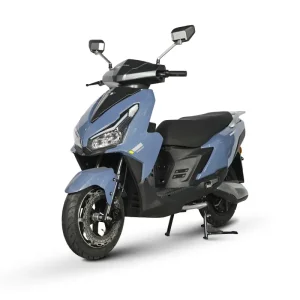
Model E11 redefines urban mobility with its powerful 2000W hub motor, propelling you to a top speed of 80 km/h for an exhilarating ride. Powered by dual charging setups and E-ABS safety technology, it offers stability at high speeds.
Get Your Solution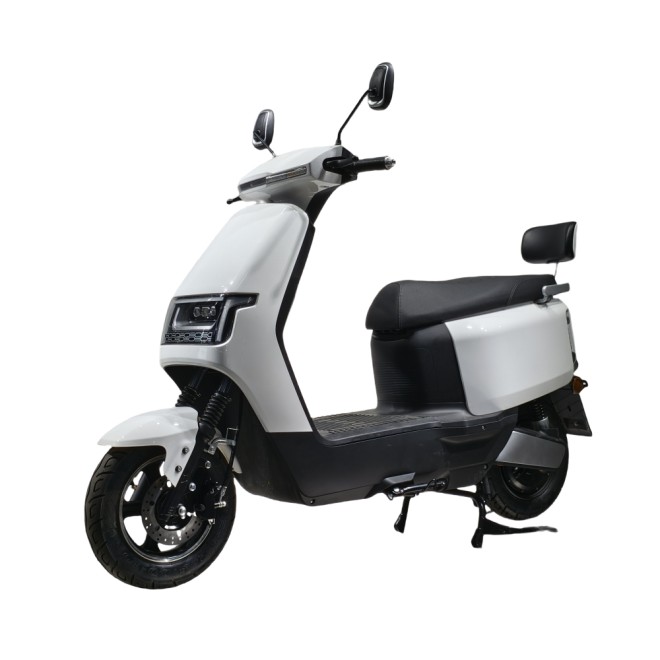
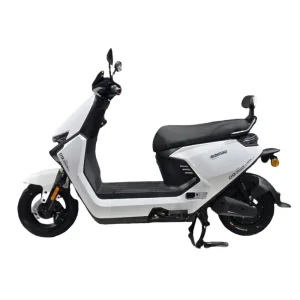
Experience ultimate performance with the R1 electric scooter. Powered by a 3000W motor and an 80A controller, it delivers exhilarating speed and acceleration. Ideal for professional enthusiasts and long distance commuting.
Get Your Solution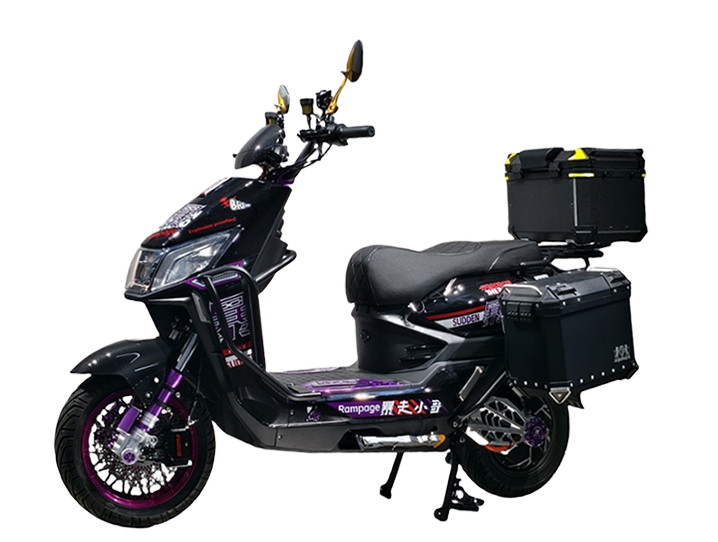
Other available chassis categories include: Electric Bike, Electric Cargo Motorcycle, Electric Moped, Electric Scooter, Electric Motorcycle, and Electric Classic Motorcycle.
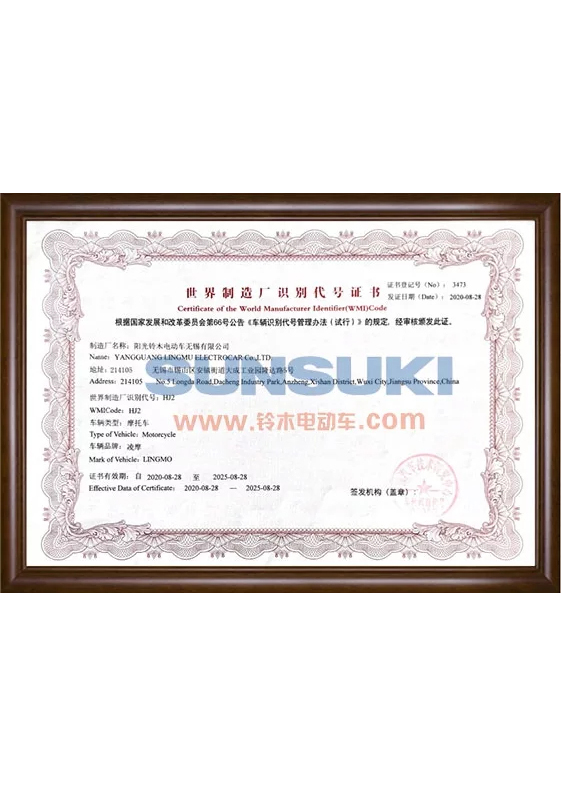
We verify our designs through rigorous international inspections, ensuring seamless import customs processes.
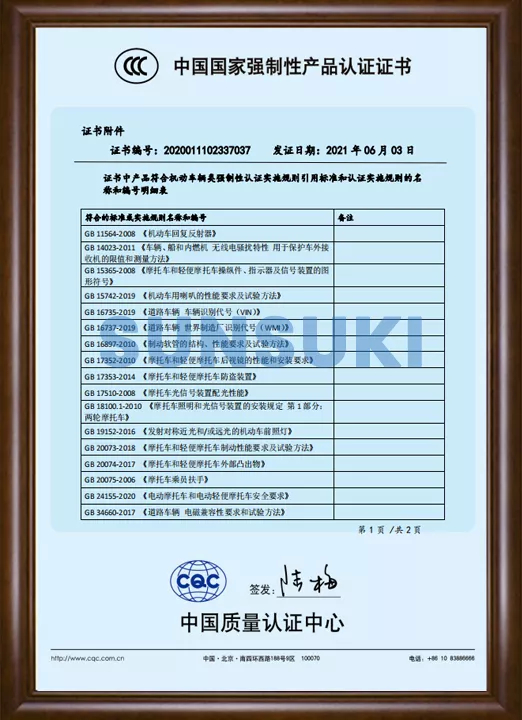
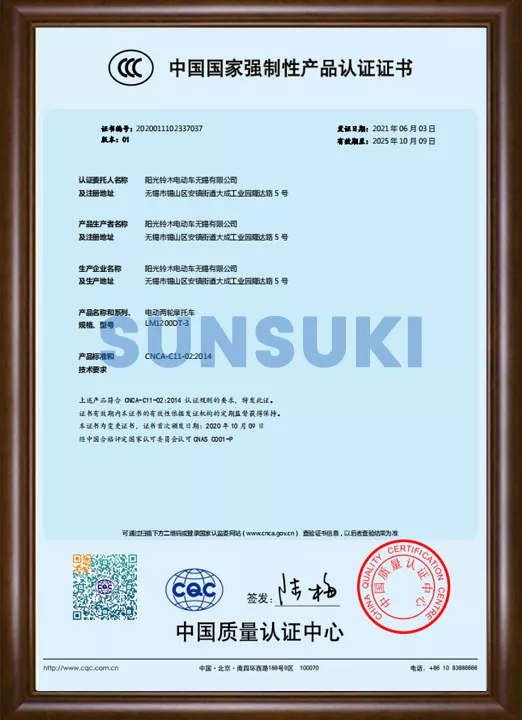
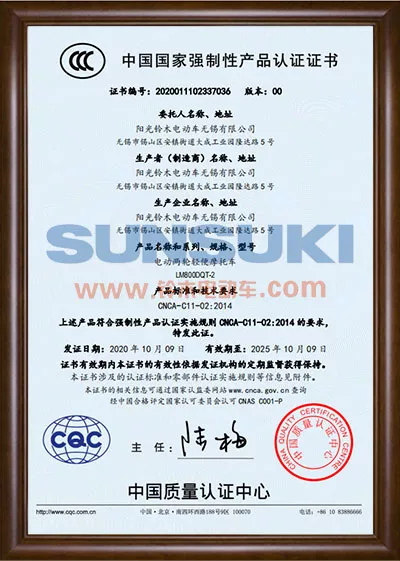
Crucial commercial, technical, and regulatory answers for prospective buyers and B2B partners.
Pricing is mainly determined by three core components: the battery chemistry and capacity (lead-acid vs. NMC lithium-ion), motor output wattage (ranging from 400W up to 3000W+), and international certification compliance (such as EEC e-mark, which requires extensive testing). Custom chassis designs, smart IoT systems, and dual fast-charging capabilities will also affect the overall cost of ownership.
EEC (European Economic Community) certification ensures that the electric scooter or motorbike meets strict EU environmental, safety, and technical requirements. Without it, vehicles cannot be registered for road use in European territories, limiting their deployment to private properties.
High-power hub motors (1800W to 3000W+) generate considerable heat. We address this using high-grade neodymium magnets with elevated temperature resistance (up to 150°C), thick copper windings, and aluminum alloy stator mounts. This configuration helps dissipate heat and prevents efficiency loss or demagnetization under heavy loads.
Standard lead-acid batteries typically support 300-500 charge cycles, making them a cost-effective option for light commuter setups. Lithium-ion (NMC) batteries can handle 1,000-1,500 cycles, while LiFePO4 packs can exceed 2,000-3,000 cycles, offering longer life and consistent energy density for commercial fleets.
Read technical advice from our engineering team to maximize your fleet's efficiency and lifespan.
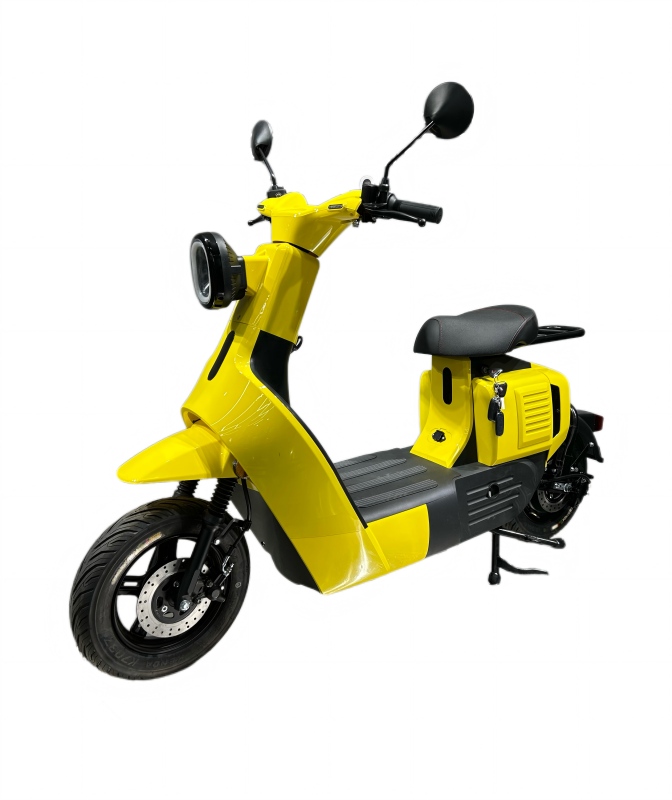
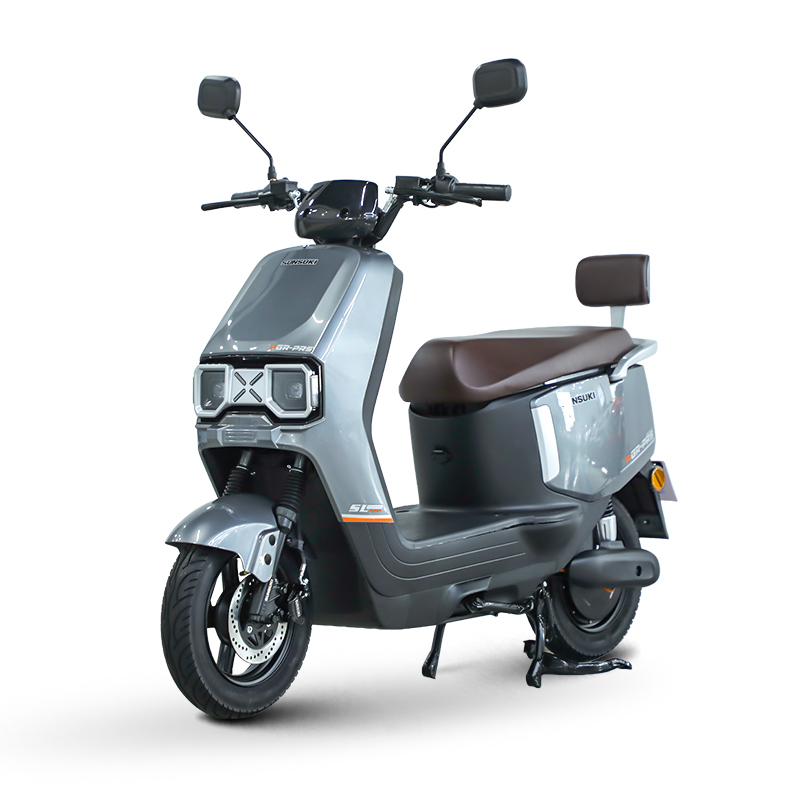
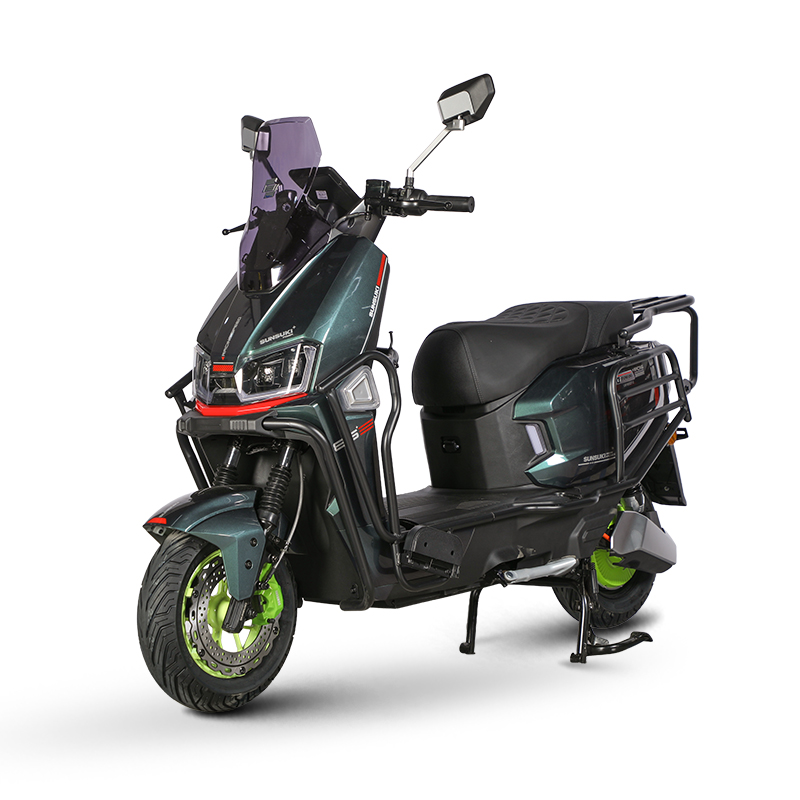
Compare additional configurations, ranging from smart commuters to retro classic motorbikes.
 Lingmo