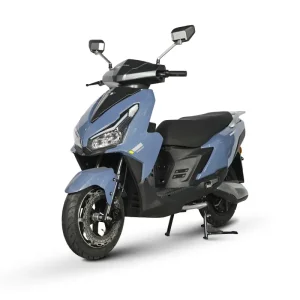
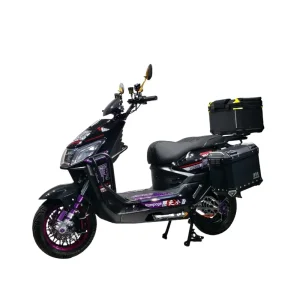
The global transportation landscape is undergoing an unprecedented paradigm shift. Driven by net-zero emission mandates, accelerating urbanization, and volatile fuel price cycles, the electric vehicle industry is expanding beyond passenger cars into the high-efficiency two-wheel sector. High-speed electric motorcycles, defined as two-wheeled electric vehicles capable of speeds exceeding 45 km/h and reaching up to 100+ km/h, are transitioning from niche novelties to core components of modern logistics and urban transportation networks.
Transitioning from traditional lead-acid configurations to high-energy-density ternary lithium (LiNiCoAlO2) and Lithium Iron Phosphate (LiFePO4) systems. These cells deliver extended lifecycles, optimized thermal stability, and maximum energy density ratios.
Modern fleets require seamless IoT integration. Integration of 4G/5G GPS telematics, intelligent Battery Management Systems (BMS), remote firmware updates (FOTA), and dual E-ABS braking systems guarantee operational reliability and driver safety.
Global regulatory markets, particularly the European Union and North America, enforce strict compliance measures. Navigating EEC (European Economic Community) type-approvals and CE (Conformité Européenne) marking is imperative for legal road operation.
For global distributors, corporate buyers, and fleet managers, acquiring a competitive advantage requires sourcing high-performance electric motorcycles that balance certification compliance with cost-effective pricing models. The alignment of regulatory compliance, battery life optimization, and mechanical design dictates the long-term Return on Investment (ROI) of commercial transport fleets.
Compliance is not merely a legal requirement; it is a fundamental pillar of brand equity and driver safety. Entering international markets—specifically the EU—demands complete adherence to specific regulatory standards. Understanding the distinction between CE Marking and EEC/e-Mark Certifications is vital for importers and fleet managers.
CE marking confirms that the electric motorcycle complies with European safety, health, and environmental protection standards. It covers essential directives including the Machinery Directive (2006/42/EC), the Electromagnetic Compatibility Directive (EMC) (2014/30/EU), and the Low Voltage Directive (LVD) (2014/35/EU). CE certification ensures that the vehicle's electrical drivetrains, onboard chargers, and high-voltage wiring pose no shock or electromagnetic interference hazards during operation or charging cycles.
Unlike general consumer electronics, vehicles designed for public roads require type-approval according to EU Regulation No 168/2013. This regulation categorizes two-wheeled vehicles (such as L1e-B for mopeds limited to 45 km/h, and L3e for high-speed electric motorcycles exceeding 45 km/h). Obtaining EEC certification involves rigorous testing of critical components: braking systems (including E-ABS or CBS), light-signaling systems, tires, rear-view mirrors, and structural frame resilience. Without valid EEC documentation (specifically the Certificate of Conformity or CoC), registering the vehicle for road use within Europe is legally impossible.
By partnering with a certified manufacturer like Wuxi Lingmo Network Technology Co., Ltd. (Sunsuki Team), B2B buyers mitigate import risks, avoid customs delays, and guarantee that end consumers receive vehicles that adhere to strict international engineering benchmarks.
Explore our signature product line designed to bring comfort into nature while meeting strict global performance, safety, and certification standards.
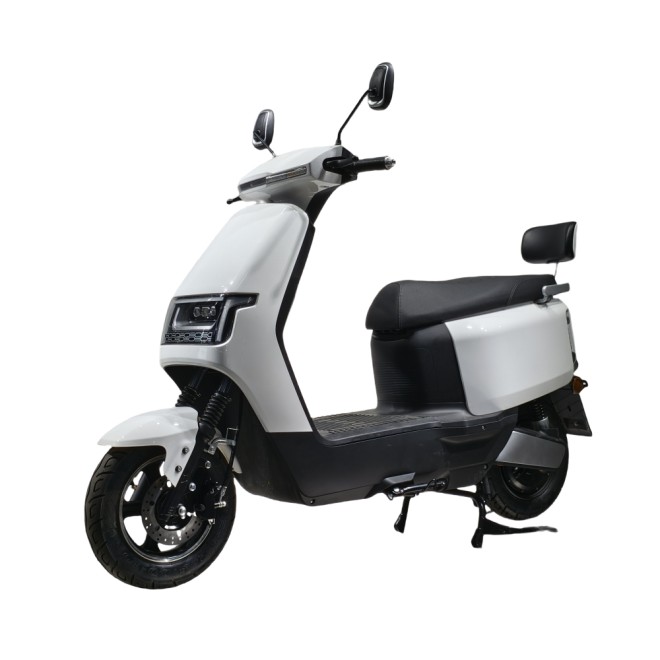
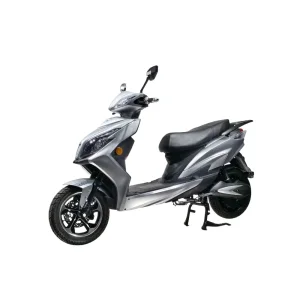
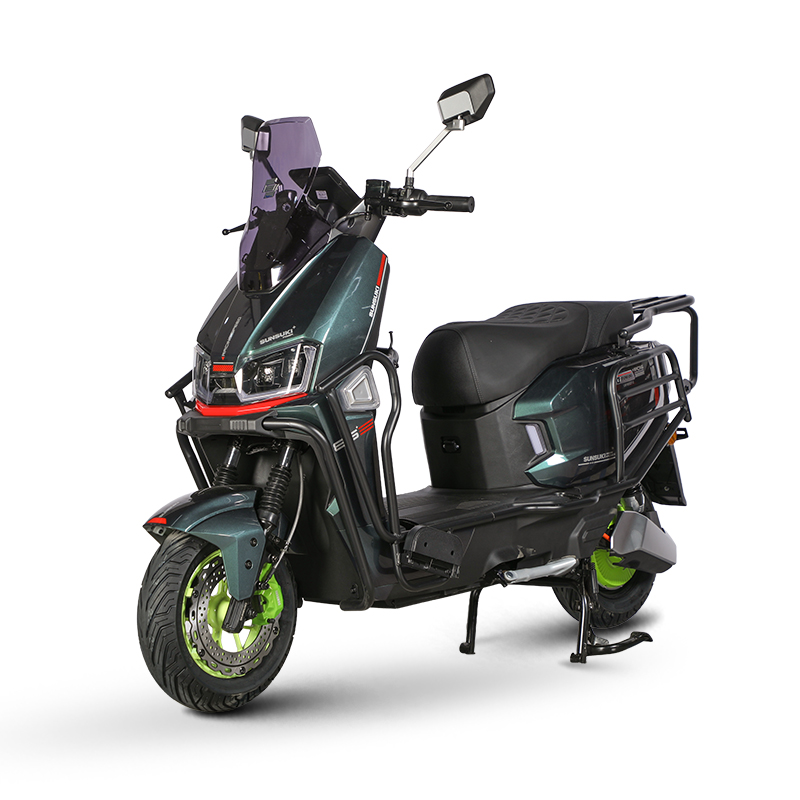
Model E11 redefines urban mobility with its powerful 2000W hub motor, propelling you to a top speed of 80 km/h for an exhilarating ride. Equipped with advanced safety features and EEC certification, it is the ideal choice for high-speed urban commuting.
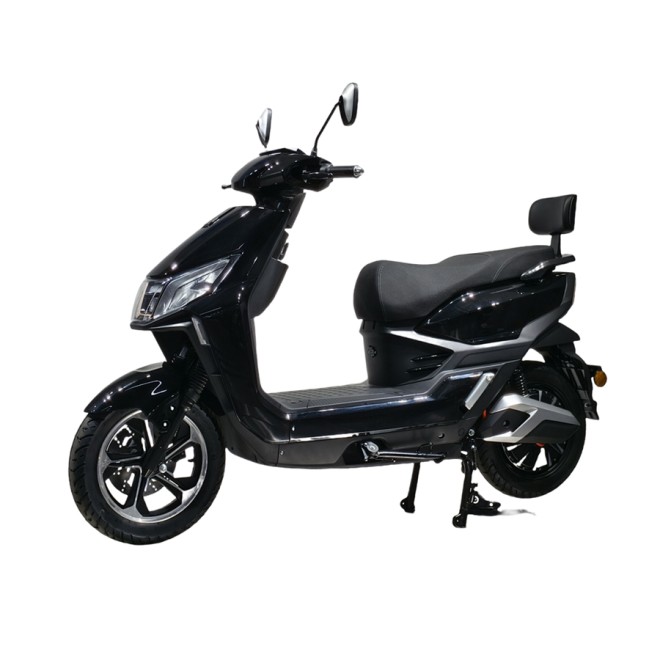
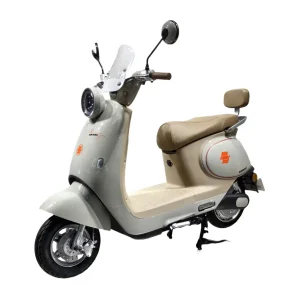
Model G18 is a certified partner for city commuting. Its robust 1800W motor delivers a top speed of 60 km/h, balancing power, efficiency, and compliance. Perfect for fleets and daily riders alike.
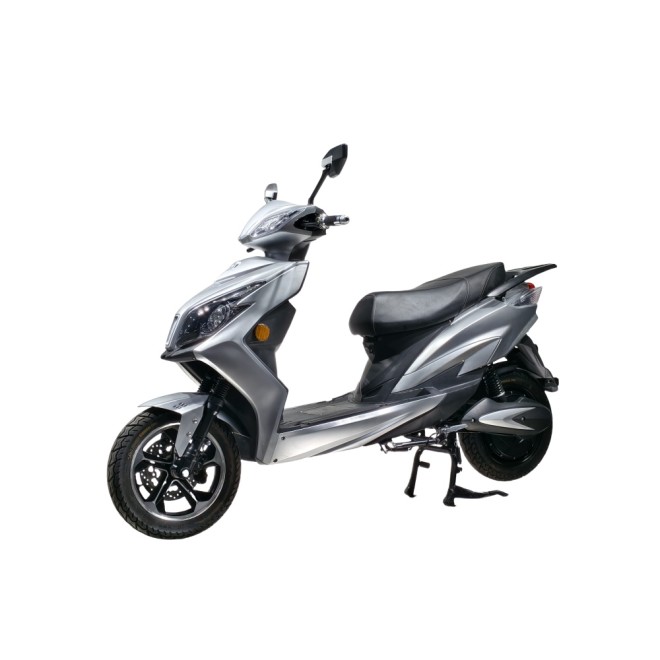
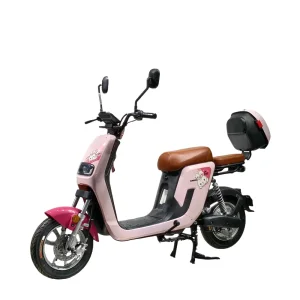
Model TY is designed for efficient and reliable daily commuting. It features a 1200W motor providing a balanced top speed of 45 km/h, optimized for city regulations and long-range utility.
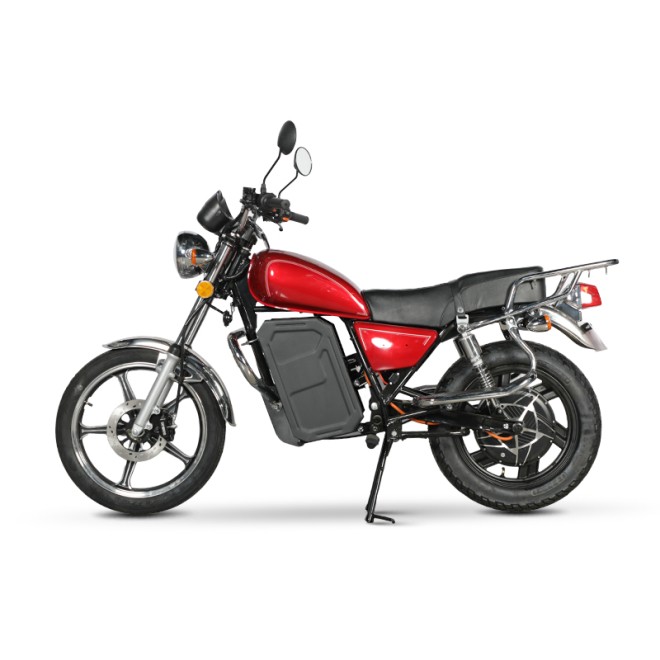
Unleash superior power with model TZ, featuring a robust 2000W motor that delivers a thrilling top speed of 70 km/h. Its high-capacity 72V/30A lithium battery configuration guarantees consistent high-current output.
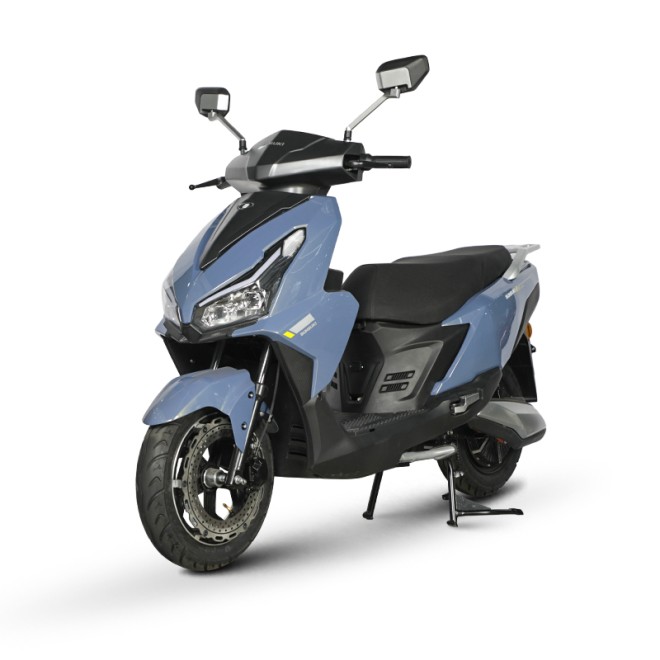
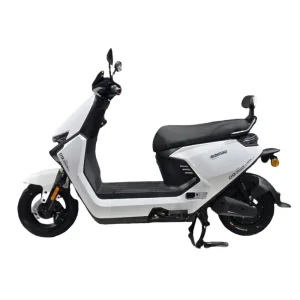
The VRS redefines urban mobility with its powerful 3000W motor and 72V 40Ah lithium battery, delivering a robust 85km/h top speed and 60-80km range. Features integrated multimedia display and real-time GPS tracking.
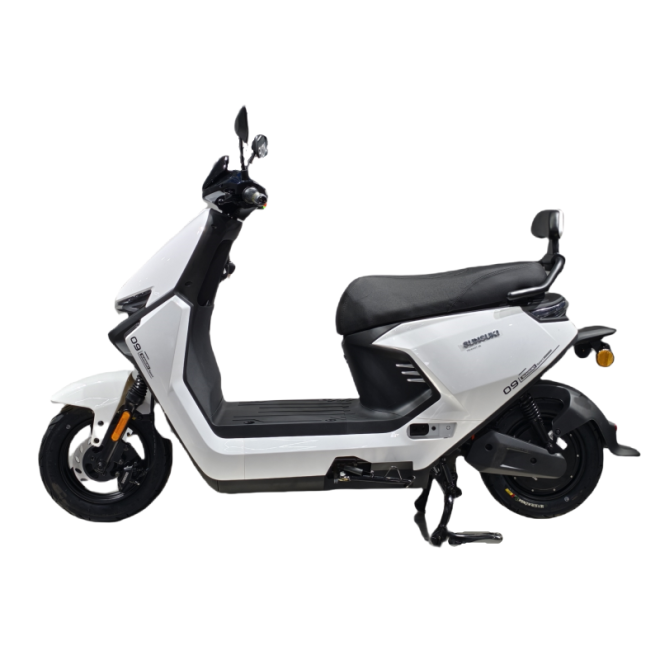
The N95-S electric scooter is designed for reliable and efficient urban mobility. Powered by a 1200W motor and compatible with both lead-acid and lithium batteries, it features a safe dual disc braking system and 80km range.
For international buyers, negotiating procurement contracts for high-speed electric motorcycles requires evaluating parameters beyond unit price. The total cost of ownership (TCO) is influenced by shipment logistics, tariff compliance, component durability, and after-sales support systems.
Ternary Lithium batteries generally offer 800–1200 charge cycles, while LiFePO4 cells can exceed 2000–3000 cycles before capacity drops to 80%. Importers must align their choice of battery chemistry with the end-user's geographic climate and intensity of use.
Two-wheeled electric vehicles are classified under HS Code 8711.60.10 or 8711.60.90. Sourcing products with accredited EEC certification helps clarify tariff classification and ensures compliance with trade frameworks, including European anti-dumping regulations.
Commercial fleets require minimal downtime. Standard procurement agreements should mandate a 2% to 5% spare parts allowance for high-wear components, including controllers, brake calipers, shock absorbers, and LED lighting modules.
Requesting a quote involves more than comparing FOB prices. B2B buyers should evaluate the comprehensive engineering parameters of the manufacturer, including assembly line QC protocols and international certification portfolios.
Select from our specialized line of electric scooters, mopeds, and performance motorcycles engineered for global markets.
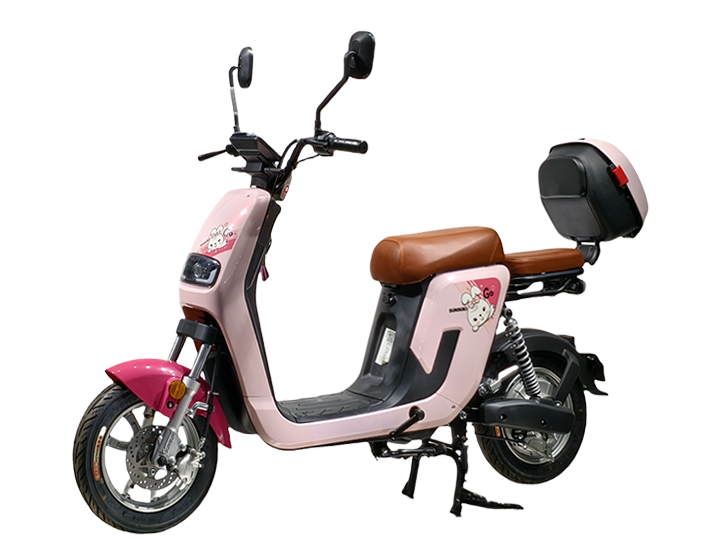
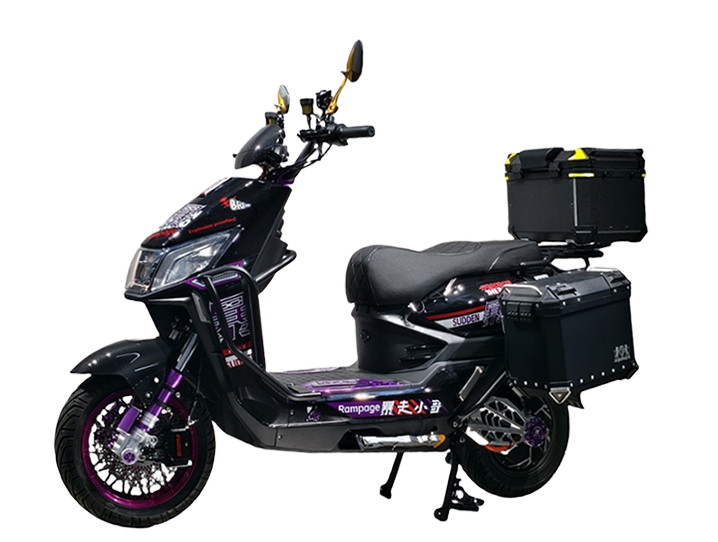
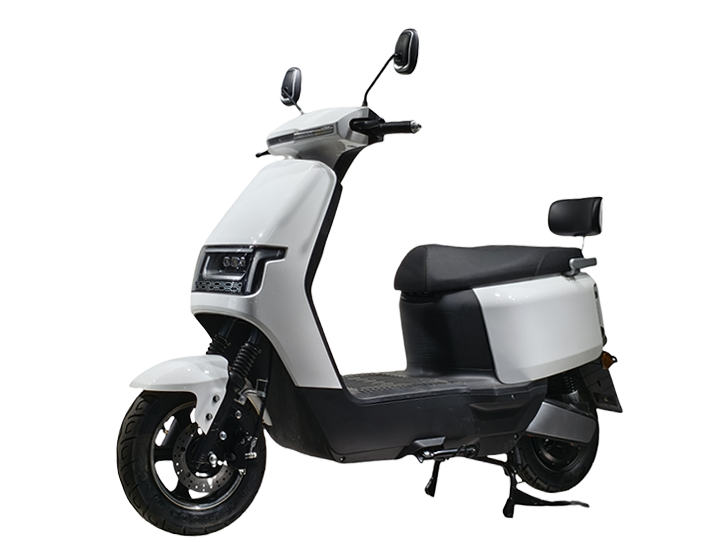
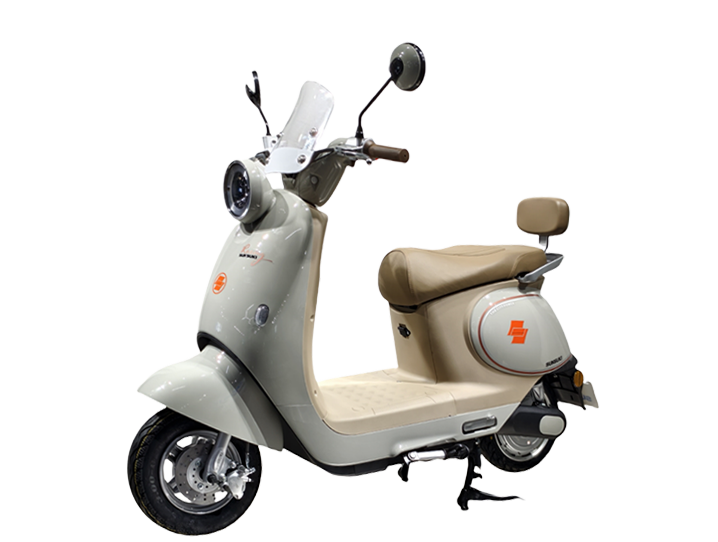
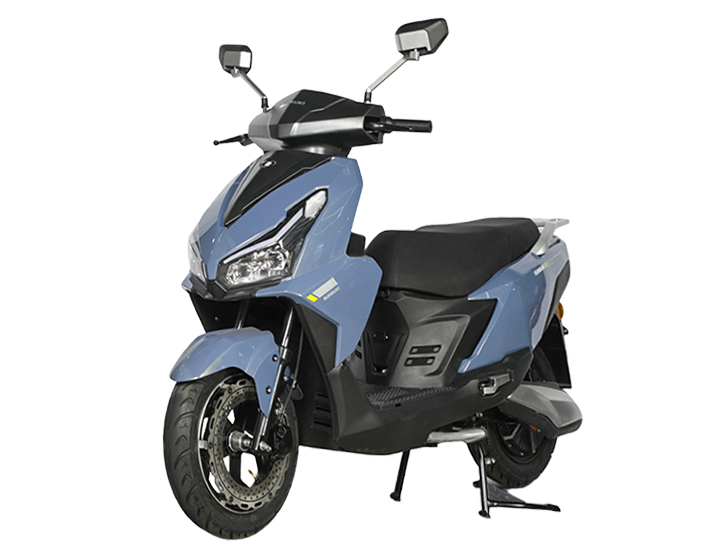
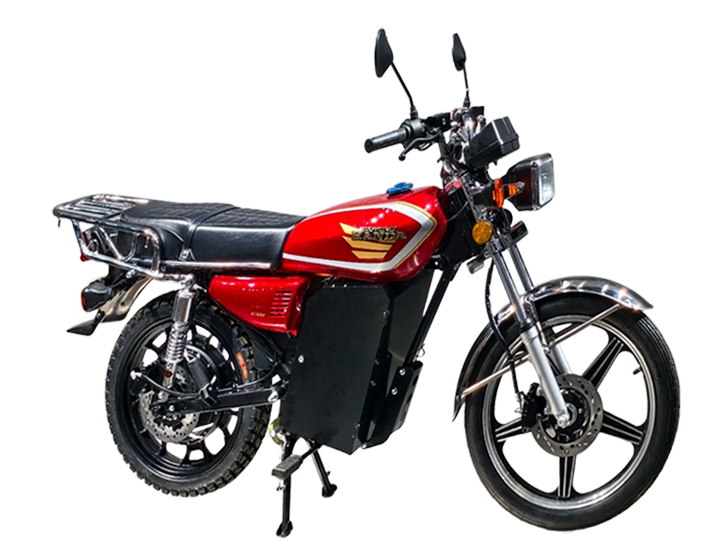
The manufacturing facility is located in Wuxi's Dacheng Industrial Park, Xishan District—often called the "Electric Vehicle Capital of China." This regional cluster houses a concentration of supply chain partners, including hub motor manufacturers, chassis stamping operations, high-voltage wiring harness manufacturers, and lithium assembly suppliers.

In partnership with Yangguang Lingmu Electrocar Wuxi Co., Ltd., Wuxi Lingmo Network Technology Co., Ltd. (Sunsuki Team) leverages this industrial base to provide advanced engineering and design solutions. Our facilities utilize production concepts that minimize variation and optimize cycle times, from stamping to chassis welding, paint processes, and dynamometer testing.
Our supply chain ecosystem utilizes direct relationships with Tier-1 component manufacturers, helping us manage raw material fluctuations and maintain assembly schedules. For B2B clients, this industrial integration ensures shorter production lead times, customizable OEM/ODM design flexibility, and consistent product quality.
Read More DetailsElectric two-wheelers are adapted to specific industrial, logistics, and consumer markets. Understanding localized application profiles allows buyers to choose configurations targeted to their operational environments.
Urban delivery fleets require vehicles with extended uptime. Heavy-duty electric cargo motorcycles with reinforced rear frames and high-capacity battery options provide the range and carrying capacity needed for modern courier networks.
Learn More →Urban traffic congestion has driven demand for agile commuter scooters. The M2 and E11 models provide city workers and municipal staff with an efficient alternative to traditional passenger cars, lowering commuter footprints.
View More →High-power motorcycles, such as the R1, feature upgraded CNC-machined alloy suspension systems, high-output controllers, and forged alloy wheels to deliver the performance required for the leisure and enthusiast markets.
View More →Large manufacturing sites and logistics parks utilize electric platforms for clean, emissions-free indoor and yard transit. The zero-tailpipe emissions design is suitable for closed-loop industrial spaces.
View More →Rental operators require robust hardware with integrated IoT capabilities. Smart platforms equipped with GPS, remote diagnostic monitoring, and keyless NFC startup options help streamline fleet operation and tracking.
View More →Our factory operations and vehicle designs adhere to international quality systems, including ISO9001, China Compulsory Certification (CCC), and European Economic Community (EEC) approvals.
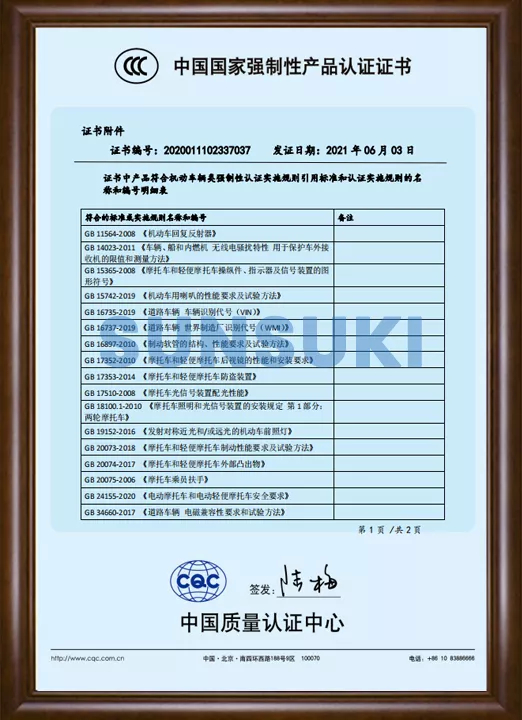
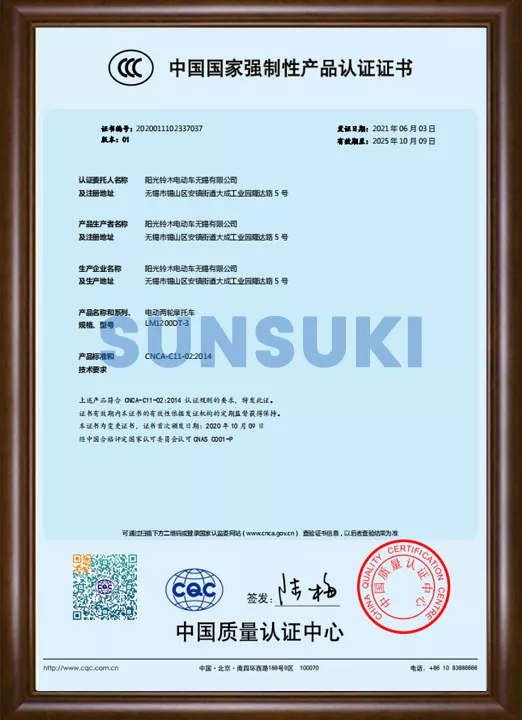
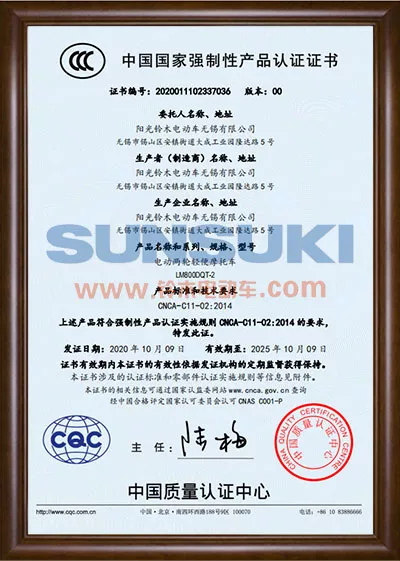
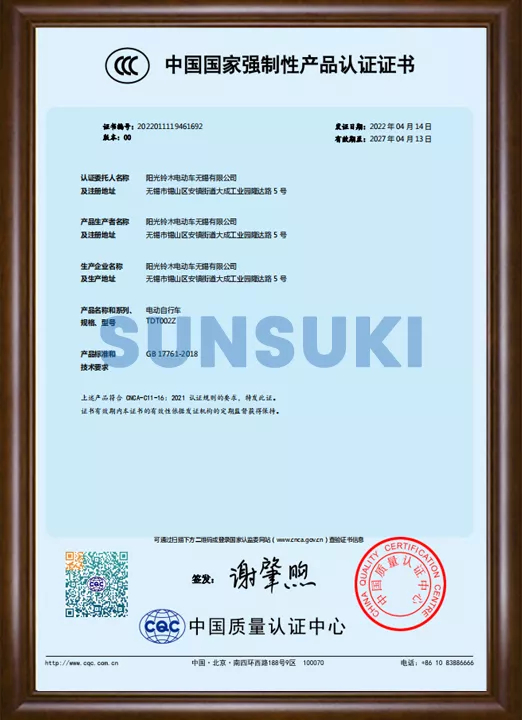
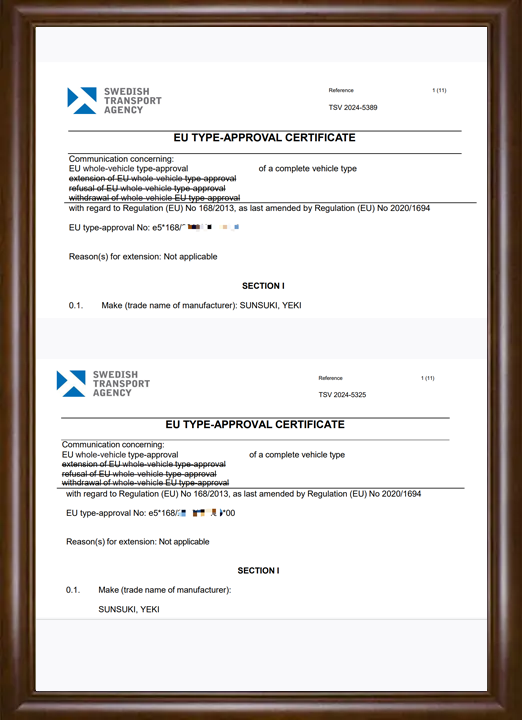
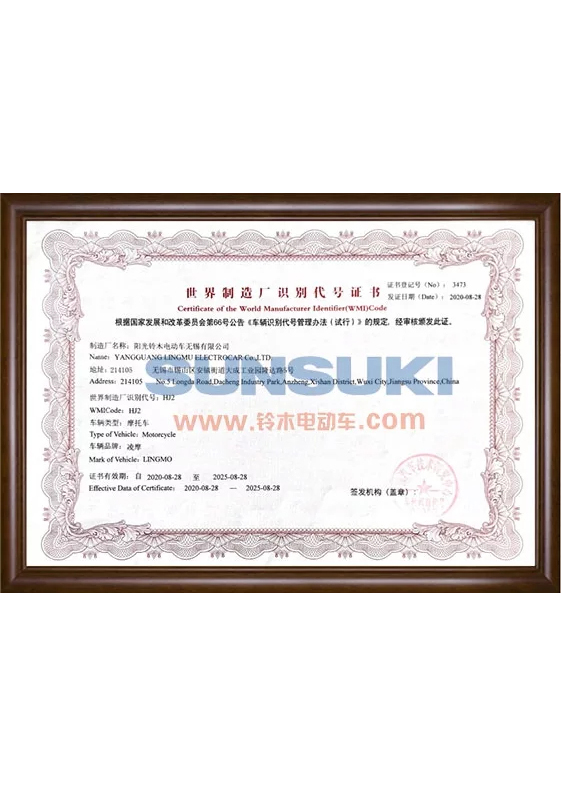
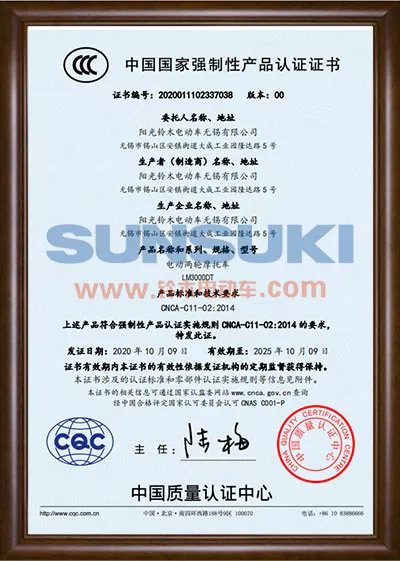
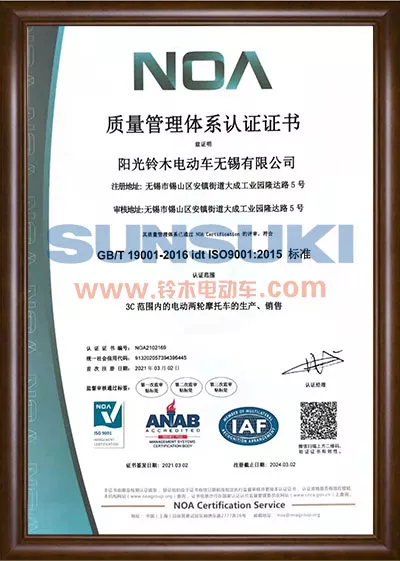
Find detailed technical answers to common queries regarding high-speed electric motorcycle import, testing, and operation.
Stay up to date with maintenance guides, paint comparison analyses, and the evolution of urban transit networks.
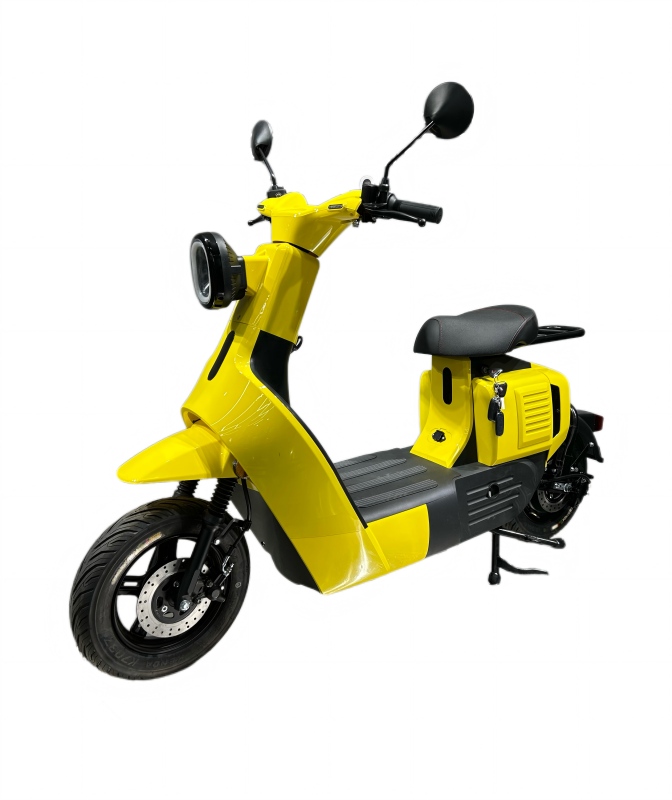
The motor is the heart of your electric motorcycle. Learn how proper maintenance and care can extend the operational life of your hub motor.
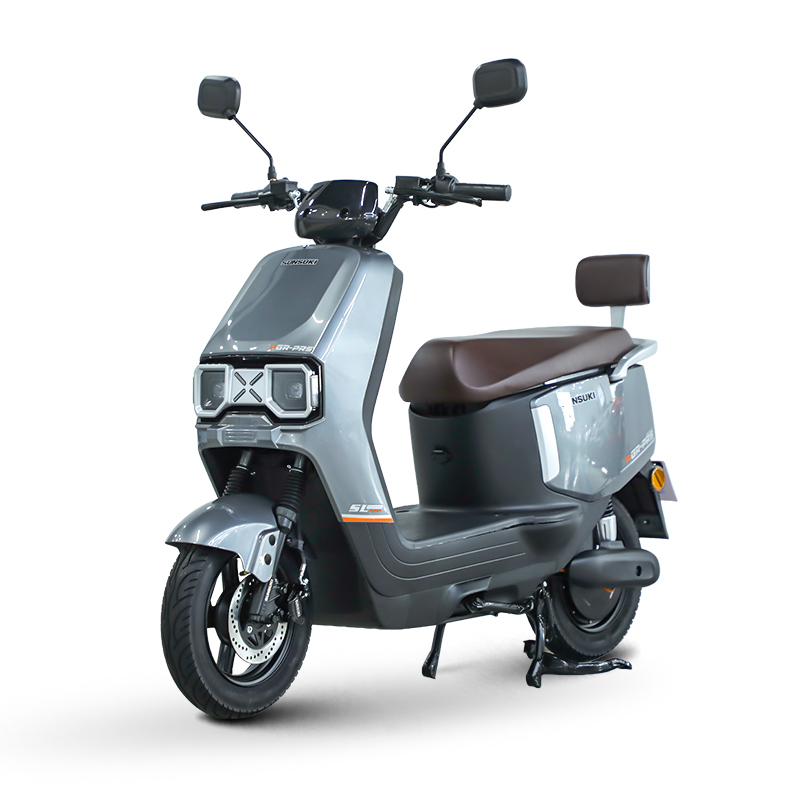
An evaluation of the durability, finish, and cost differences between PU and UV paint technologies used on electric vehicle exterior panels.
An overview of how electric motorcycles transitioned from basic transport to advanced mobility networks within China's cities.
 Lingmo