Explore our elite range of street-legal, high-efficiency urban mobility options engineered to bring comfort, durability, and raw electric performance into alignment.
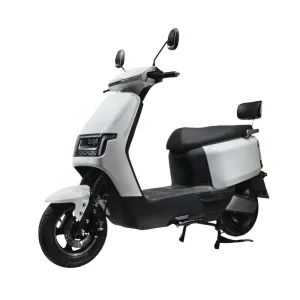
The E11 features an optimized 2000W brushless hub motor and EEC certification, offering a high-performance 80km/h peak velocity and stable handling for major metro avenues.
View Details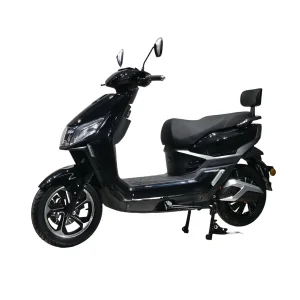
Engineered for consistent daily commuter routes, the G18 brings balanced throttle response, low maintenance overhead, and full e-Mark credentials for instant legality.
View Details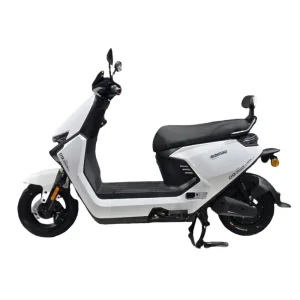
Cost-efficient urban workhorse. Offers a robust structural frame, 1200W energy-efficient motor, and an impressive real-world range up to 80km per charge cycle.
View Details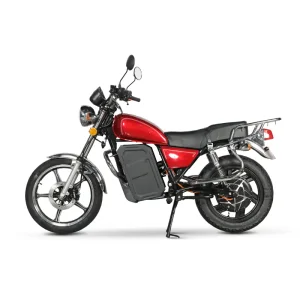
Designed with multi-layered electric protection systems. 72V modular power distribution ensures high torque levels required for varied urban topography.
View Details
Flexible ODM solution built to customization specifications. Ideal for distributors seeking private-label reliability combined with proven safety features.
View Details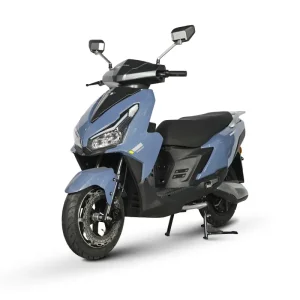
A smart-class ride integrating native GPS tracking, Bluetooth media connectivity, and real-time battery cell health data visualization on dashboard.
View Details
Export-focused value configuration. Maintains robust structural integrity and top certification standards while optimizing controller configurations.
View Details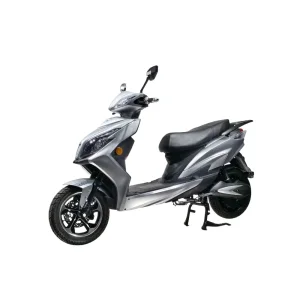
Perfectly calibrated for areas requiring Class-A or AM driver licenses. Provides a solid 45 km/h governed speed to suit tight neighborhood regulations.
View DetailsWuxi, China is globally recognized as the premier manufacturing powerhouse for electric two-wheelers. Nestled within the Dacheng Industrial Park in Wuxi's Xishan District, Wuxi Lingmo Network Technology Co., Ltd. (in alliance with Yangguang Lingmu Electrocar Wuxi Co., Ltd.) commands a highly advanced ecosystem. Access to this critical location allows the Sunsuki team to engineer superior electric vehicle platforms utilizing state-of-the-art parts supply loops and structural testing labs.
Wuxi's micro-mobility manufacturing cluster controls over 70% of the key technological advancements in electric motors, controllers, and smart digital systems. The industrial synergy provides several clear parameters of excellence for international procurement agencies:
Discover how each urban electric motorcycle class fulfills specific B2B operations and localized commuting requirements.
The M2 is built specifically for city districts prioritizing low speed, high safety, and zero-license micro-mobility. It pairs a proprietary factory-patented chassis design with a highly efficient 400W hub motor and a reliable 48V/20A power cell to consistently deliver up to 60km of range per charge.
With an emphasis on cost-effective municipal deployment, it presents low wear-and-tear coefficients, saving fleet operators valuable operational expenditure over long life cycles.
Read Technical Sheet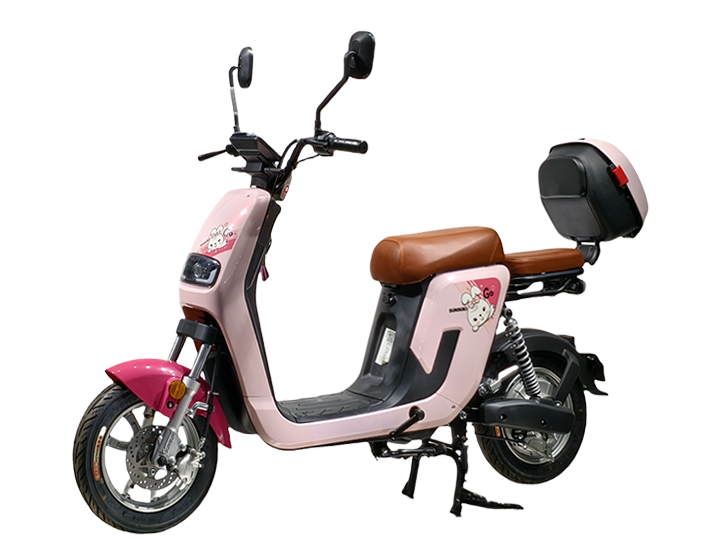
How our electric vehicle designs solve complex logistical, environmental, and commuter challenges globally.
In dense metropolitan zones, delivery timeframes are heavily affected by traffic gridlocks. Utilizing models like the FC-S (1800W, 80km/h), logistics operators can maneuver through traffic zones easily while guaranteeing a stable 70km delivery radius.
Urban commuters require reliable power-trains that skip gas station queues. Advanced platforms like the VRS Smart Commuter integrate real-time GPS tracking and cellular diagnostics to give commuters ultimate peace of mind.
Commercial sharing and rental firms leverage our custom API integrations. By using robust mechanical frame architecture along with smart over-the-air firmware (OTA), our vehicles easily adapt to centralized IoT software suites.
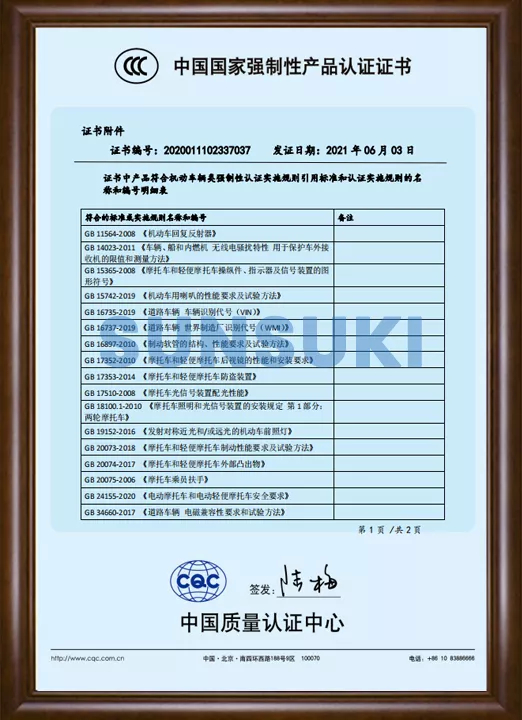
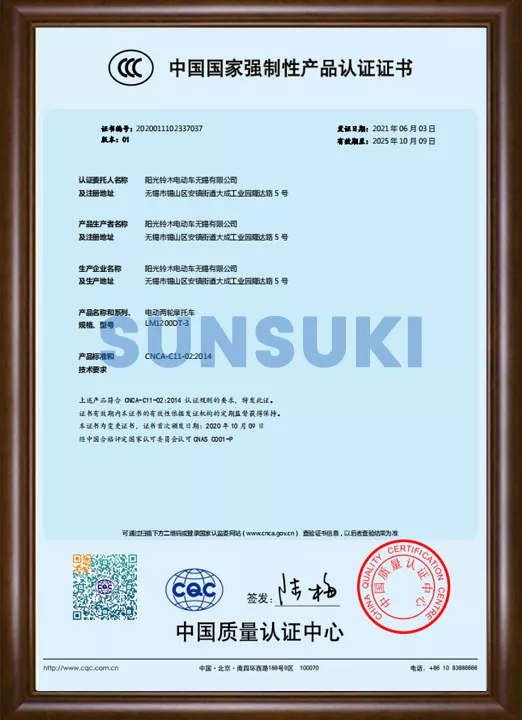
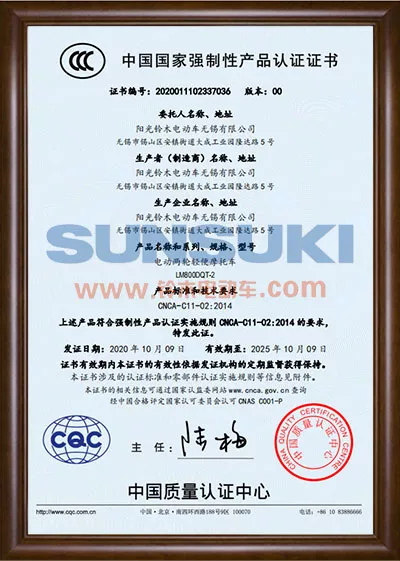
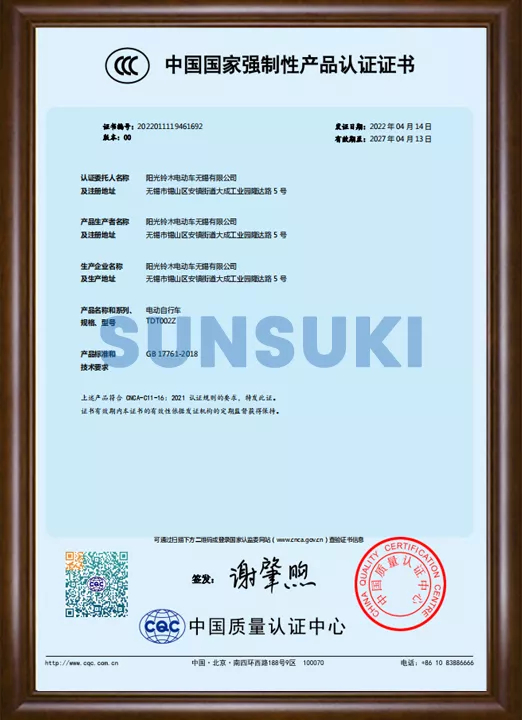
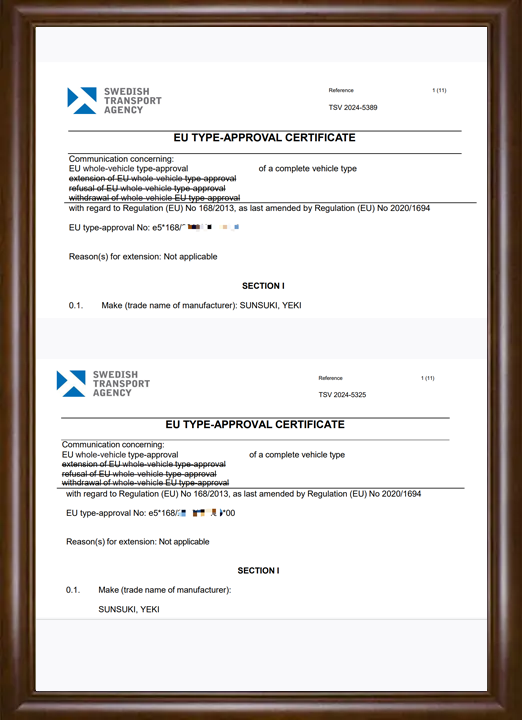
Every chassis and electrical assembly out of our manufacturing partner Yangguang Lingmu undergoes comprehensive certification protocols to ensure compliance in diverse international markets.
We hold prestigious quality control credentials including the ISO9001 quality management system, China Compulsory Certification (CCC), and European e-mark (EEC) homologation. This strict adherence guarantees that each unit exported meets street-legal safety parameters from European Autobahns to South American thoroughfares.
The urban mobility landscape is shifting rapidly. Tight carbon emission mandates within the European Union, coupled with North American clean transit grants, are pushing delivery networks and municipal services to phase out combustion scooters entirely. Over the next decade, three major technological trajectories will define the urban electric motorcycle segment:
While traditional ternary lithium (NCM) battery technology remains the industry standard for high-speed sport models like the R1 (3000W performance model), Lithium Iron Phosphate (LFP) and Sodium-Ion batteries are quickly gaining market share in urban environments. These chemistries offer significantly higher thermal runaway thresholds, lower risk of battery failure, and improved lifespan, often delivering over 2,000 complete discharge cycles before experiencing noticeable capacity degradation.
Modern micro-mobility vehicles are no longer standalone transport units; they are nodes in a smart city grid. Advanced vehicle configurations like the VRS Smart Commuter utilize robust CAN-bus network architectures to connect speed controllers, battery management systems (BMS), and cellular IoT trackers. Fleet operators can remotely monitor real-time vehicle locations, monitor individual battery cell health, limit maximum speeds for specific geofenced areas, and schedule preventative maintenance before a road failure happens.
Maximizing range within congested city settings requires smart energy reclamation. Field-Oriented Control (FOC) sinusoidal wave controllers allow our motorcycles to convert kinetic energy back into electrical energy during deceleration. This process reduces disc brake wear by up to 40% while extending total driving range by up to 10% on high-frequency stop-and-go routes.
Access comprehensive field advice written by our senior technicians, focusing on vehicle longevity, paint technology, and the micro-mobility sector.
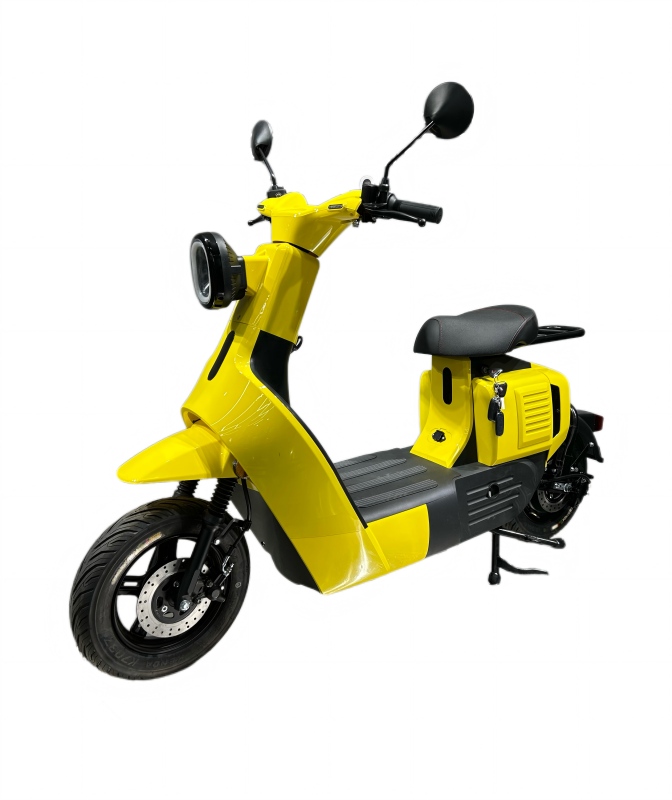
The motor serves as the core of your electric motorcycle. If you follow standard preventative inspection procedures, clean off mud build-up, and avoid over-heating, your hub motor will perform reliably for years without needing complex overhauls.
Read Article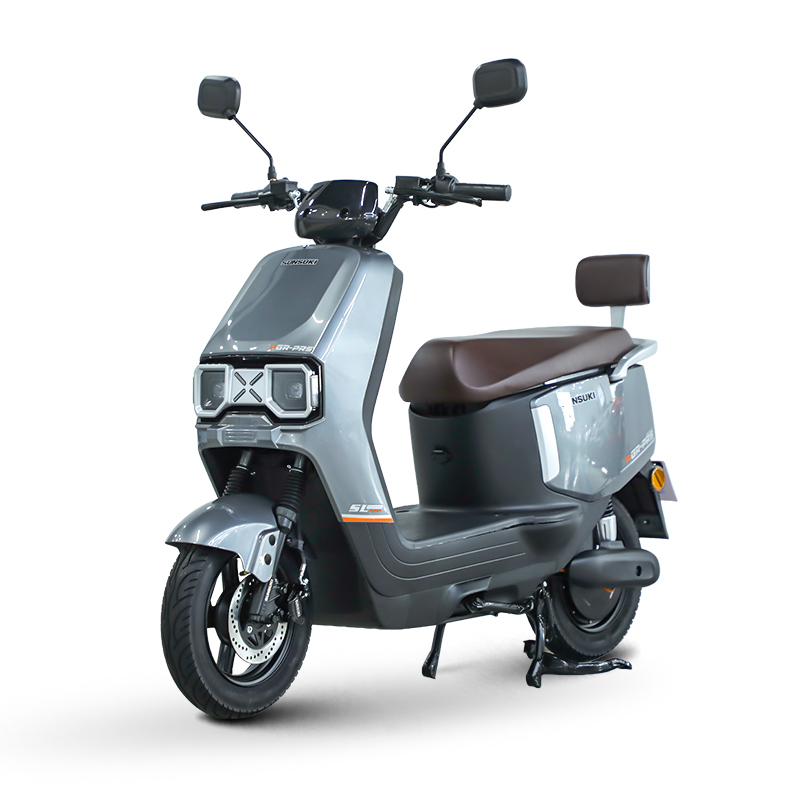
Understand how different industrial coatings protect the ABS plastic body panels of your fleet. Learn why polyurethane (PU) and ultraviolet (UV) curing methods affect color longevity, impact resistance, and weatherproofing under intense sunlight.
Read Article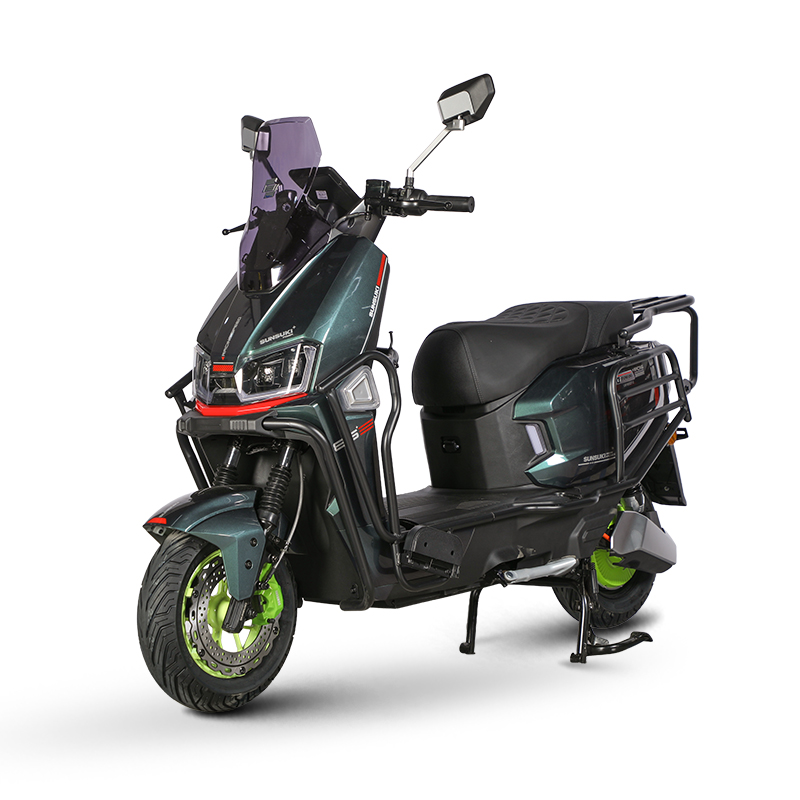
An analytical review of how the rapid transition of Chinese urban traffic away from combustion mopeds has shaped modern lithium supply lines, battery swap networks, and urban clean air standards.
Read ArticleEverything you need to know about our OEM manufacturing capacity, B2B importing processes, and technological specifications.
Our standard manufacturing MOQ for custom styling, private label placement, and specific motor/controller configuration modifications is typically 20 units. This requirement allows us to maintain efficiency along our production line and balance chassis assembly setup costs. For initial trials, lower volumes can sometimes be arranged depending on frame compatibility.
We work directly with European homologation agencies during the prototyping phase. Our flagship models—such as the E11, G18, and TY—undergo systematic testing covering brake system efficiency, light refraction patterns, speed control calibration, and high-voltage wiring safety. Upon passing, they receive official EEC certificates, simplifying the registration process in European countries.
Yes. For regions experiencing sub-zero temperatures, we customize our Lithium Battery Management Systems (BMS) with thermal pre-heating jackets and optimize the low-temperature current draw curves. We also offer high-density NCM packs designed to minimize power drop-offs in cold conditions.
Once order details are locked in and the deposit is processed, standard production cycles take about 25 to 35 days. Shipping transit times depend on the destination: North American and European ports typically require 30 to 40 days ocean transit, while East Asian and Middle Eastern destinations average 15 to 25 days.
We supply a dedicated percentage of free spare parts (such as controllers, throttle assemblies, plastic panels, and shock absorbers) with every container shipment. We also provide direct video support with our assembly engineers, schematic wiring diagrams, and diagnostic software access to resolve complex electrical queries.
Explore our higher-power models, patented specialty builds, and cargo delivery motorcycles designed for heavy-duty commercial operations.
Our flagship high-speed electric motorcycle, featuring a heavy-duty 3000W motor, premium forged alloy wheels, and CNC-machined shock components for sport performance.
View Details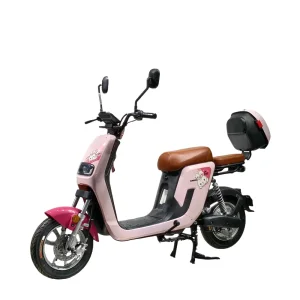
Our proprietary commuter model, pairing a patented frame structure with an energy-efficient 400W drivetrain to minimize battery weight and maximize urban mobility.
View Details
Equipped with reliable dual hydraulic disc brakes and a responsive 1200W motor, this layout delivers reliable stopping power in wet urban road conditions.
View Details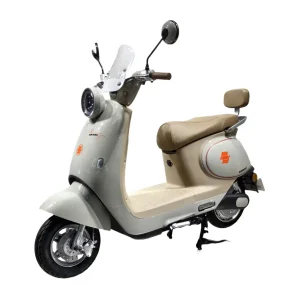
Featuring a high-grade 27H motor, three speed mode controls, and a smart overtaking boost button, the Q60 is designed to quickly accelerate through busy city traffic.
View Details
Perfect for entry-level sharing schemes and rental services, the M2 combines structural frame reliability with easy-to-use electrical configurations.
View Details
A sport-tier motorcycle equipped with a solid 3000W performance motor, CNC-machined suspension components, and a high-voltage controller for fast acceleration.
View Details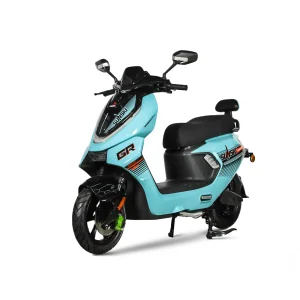
A heavy-duty courier configuration offering an 80km/h top speed, long-range battery options, and an integrated rear cargo frame for food and package logistics.
View Details
Our flagship B2B delivery platform, offering high-volume manufacturing customizations, adaptable battery sizes, and reliable hub-motor drive options.
View Details Lingmo