Explore our leading export models featuring EEC certification, high energy density batteries, and intelligent powertrains optimized for global urban infrastructure.
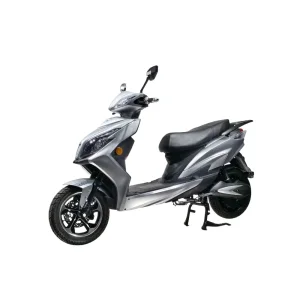
Featuring a reliable 1200W motor, EEC approval, a 45 km/h maximum speed, and up to 70 km per charge.
Specifications & Inquiry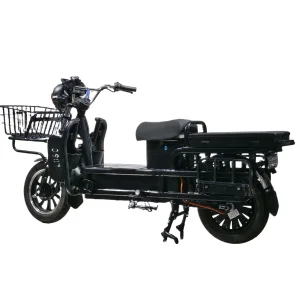
Engineered for last-mile delivery fleets with a 1200W high-torque motor, robust 72V battery setup, and extreme load capacity.
Specifications & Inquiry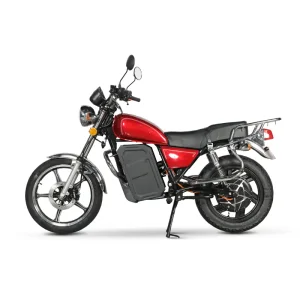
A performance commuter powerhouse sporting a 2000W output, 70 km/h top speed, and premium integrated electronic safety controllers.
Specifications & Inquiry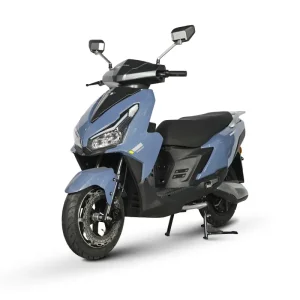
Cost-efficient IoT-enabled commuter option featuring built-in GPS tracking, comprehensive multimedia display instrumentation.
Specifications & Inquiry
Highly customizable chassis equipped with high-durability controllers and direct-drive brushless hub motors.
Specifications & Inquiry
Tailor-made solution with high-efficiency motor config, integrated anti-theft GPS, and interactive dashboard layout.
Specifications & Inquiry
Affordable urban cruiser featuring high torque, energy-recovery braking system, and durable long-cycle lead or lithium setups.
Specifications & Inquiry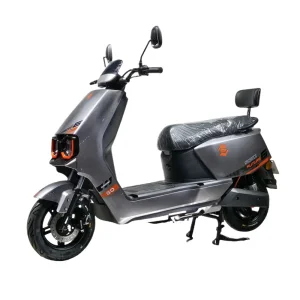
Flexible battery compartment supporting easy swaps, 50 km/h top speeds, and multi-mode power profiles.
Specifications & InquiryAn Industrial Guide on Engineering, Cell Architecture, and Energy Conversion for Global B2B Sourcing.
As the international mobility market transitions toward zero-emission powertrains, the term "Battery Wali Two Wheeler" (colloquially referencing electric-powered mopeds, scooters, and motorcycles) has shifted from a niche alternative to a cornerstone of urban transportation. Engineering a commercially viable and reliable battery-powered vehicle requires deep alignment between electric motor efficiency, Battery Management System (BMS) logic, and robust structural design. In this whitepaper, we dissect the vital elements that differentiate entry-level designs from true enterprise-grade industrial vehicles.
Modern two-wheelers must balance the voltage demands of high-discharge motors with the thermal limitations of chemistry packs. Most commercial "battery wali" vehicles utilize one of two primary battery chemistries: Lithium Iron Phosphate (LFP) or Nickel Manganese Cobalt (NMC). LFP systems provide exceptional lifecycle performance (often exceeding 2,000 charge cycles before dropping to 80% capacity) and superior thermal stability, making them ideal for high-ambient-temperature regions like South Asia and South-East Asia. NMC packs, conversely, offer higher volumetric energy density, enabling sleeker chassis designs and longer ranges—crucial for European and North American urban commuter lines.
To help procurement directors make informed decisions, we have comparative metrics outlining core parameters across standard commercial options:
| Battery Chemistry type | Average Energy Density | Typical Cycle Life | Thermal Safety Profile | Ideal Application Scenario |
|---|---|---|---|---|
| Lead-Acid (Deep Cycle/Gel) | 35-50 Wh/kg | 300 - 500 cycles | Excellent (Non-combustible) | Budget commuting, local industrial campus operations |
| Lithium Iron Phosphate (LiFePO4) | 140-160 Wh/kg | 2,000+ cycles | Exceptional (High thermal runaway threshold) | Heavy-duty cargo delivery, high ambient temperature regions |
| Lithium Nickel Manganese Cobalt (NMC) | 200-250 Wh/kg | 1,000 - 1,500 cycles | Moderate (Requires active thermal monitoring) | High-speed highway commuting, sports e-motorcycles |
| Sodium-Ion (Emerging Tech) | 90-120 Wh/kg | 1,500+ cycles | Excellent (Stable at sub-zero temperatures) | Cold climate commuting, low-cost commuter lines |
Integrating these technologies requires a highly intelligent BMS. A quality BMS manages active cell balancing, prevents over-charge and over-discharge scenarios, and reports real-time battery status via CAN bus or RS485 communication protocols. Without these digital systems, even premium cells will fail prematurely under harsh road conditions.
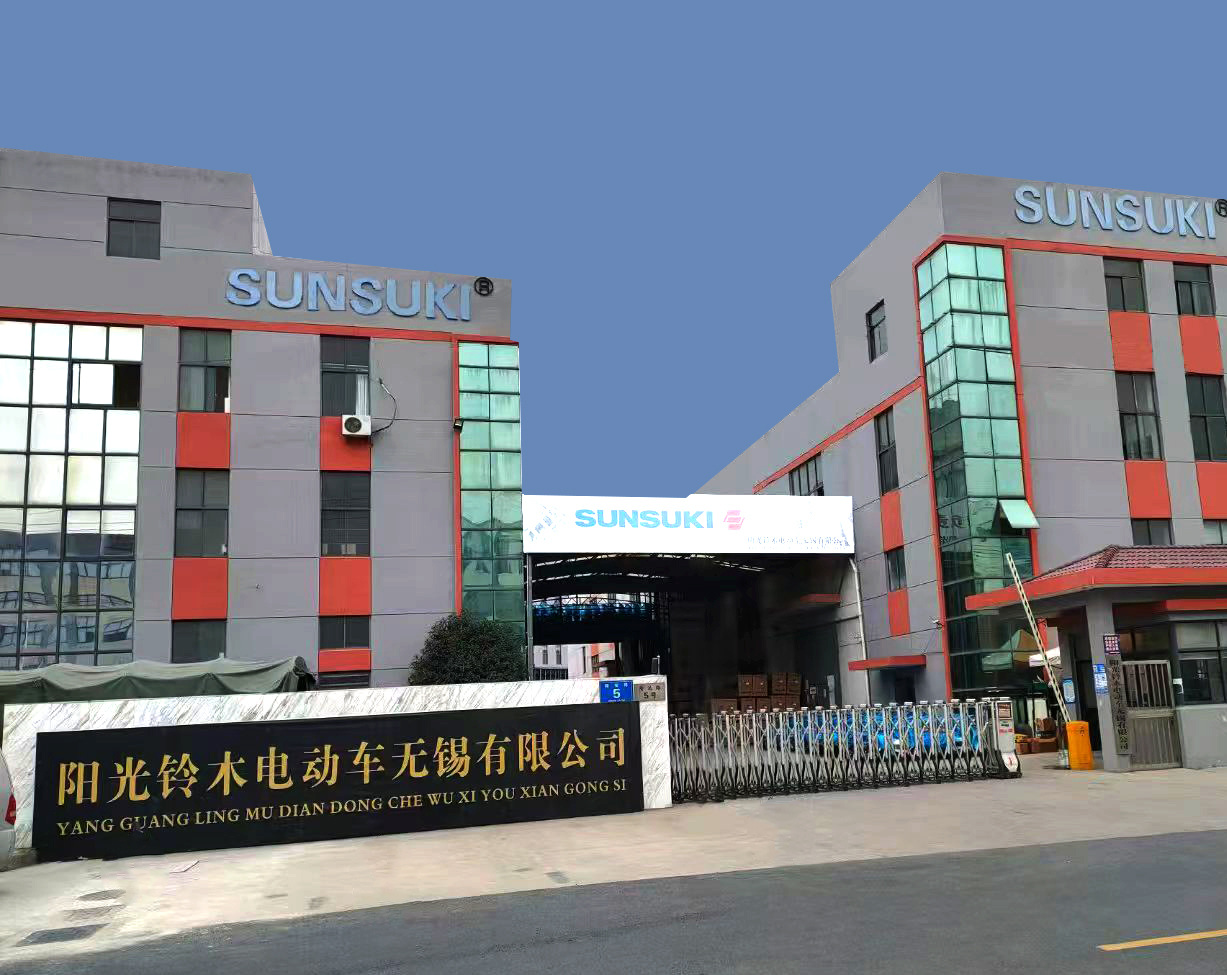
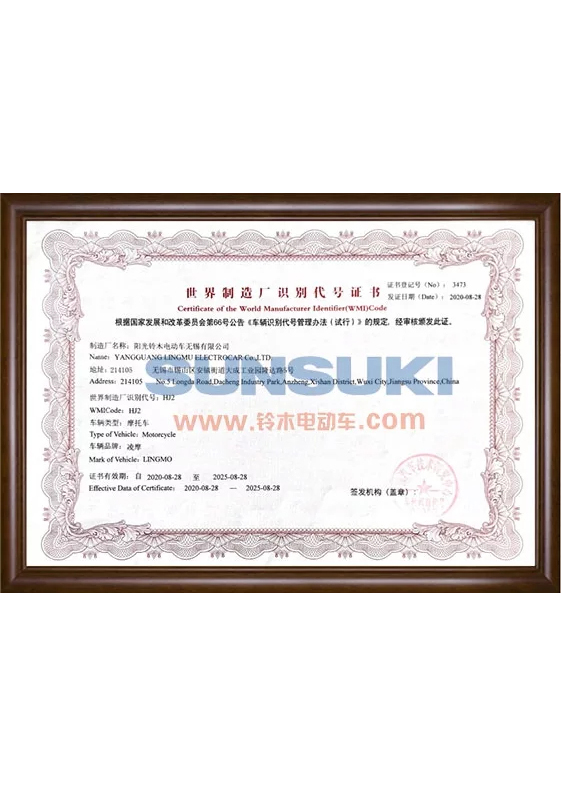
Strategically situated in Wuxi, Jiangsu Province—globally recognized as "the Electric Vehicle Capital of China"—Wuxi Lingmo Network Technology Co., Ltd. in close partnership with Yangguang Lingmu Electrocar Wuxi Co., Ltd. drives innovation under the joint Sunsuki brand name.
Operating from our modern facilities within the Dacheng Industrial Park, we specialize in high-reliability components, robotic chassis welding, and multi-stage testing setups. Our combined team leverages years of design wisdom, manufacturing capabilities, and import-export experience to provide a seamless supply chain for global distributors, private labels, and commercial fleet owners.
Engineered for compliance and performance. Select from our established platform layouts:
Equipped with a performance 2000W hub motor reaching 80 km/h. Designed with full EEC compliance for quick registration in European markets.
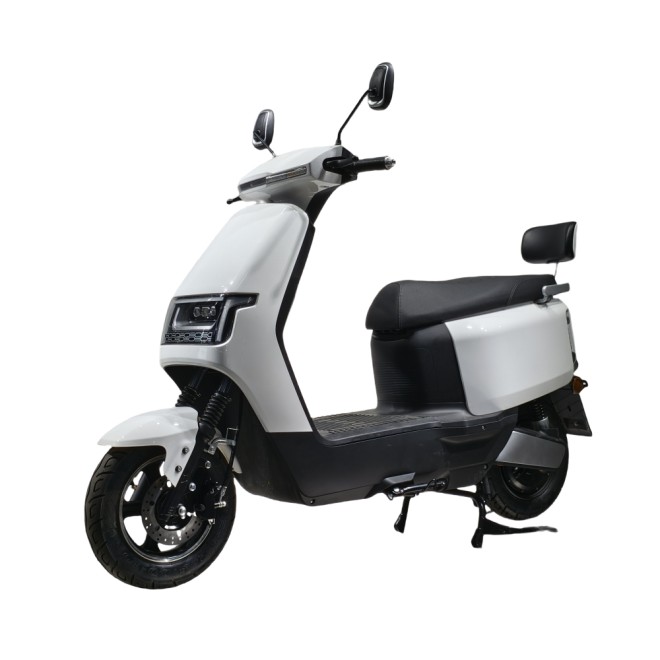
Featuring an 1800W motor with stable speed control, optimized for daily metropolitan travel. Ideal for ride-sharing programs and fleet operators.
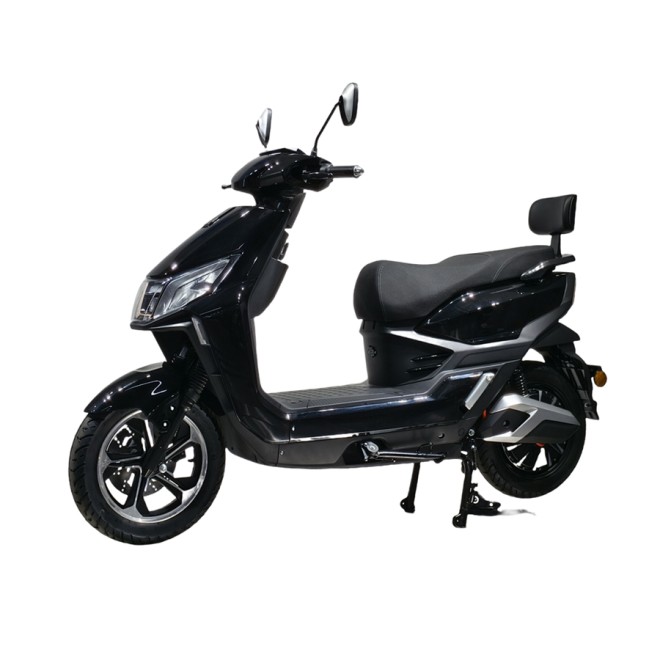
A cost-effective, high-durability scooter featuring a 1200W motor, stable handling, and dual suspension options suited for rugged streets.
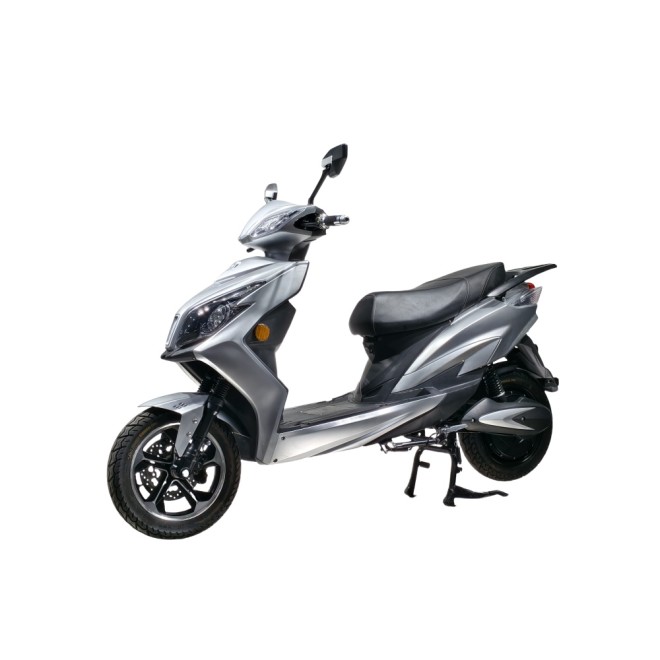
Unleash raw power with a robust 2000W motor and a 72V/30A lithium-ion layout, boasting an impressive 70 km/h top speed.
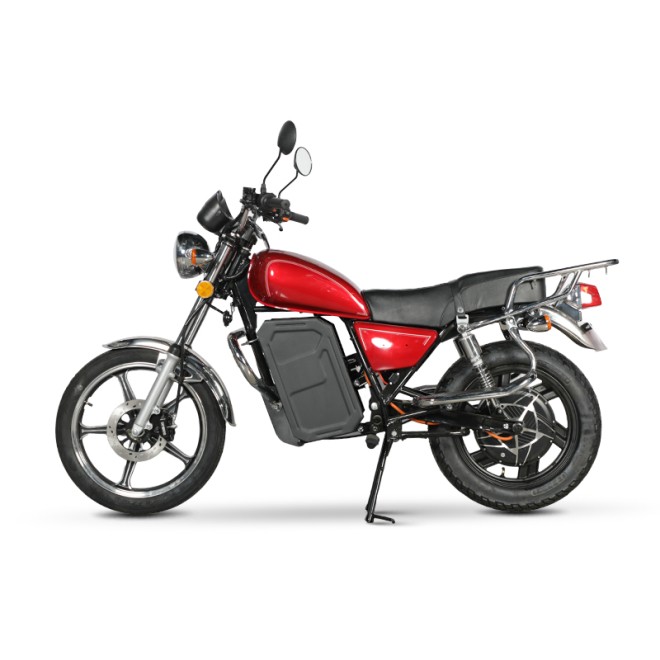
High-end platform featuring a 3000W motor, 72V/40Ah lithium configuration, active GPS tracking, and multimedia display instrumentation.
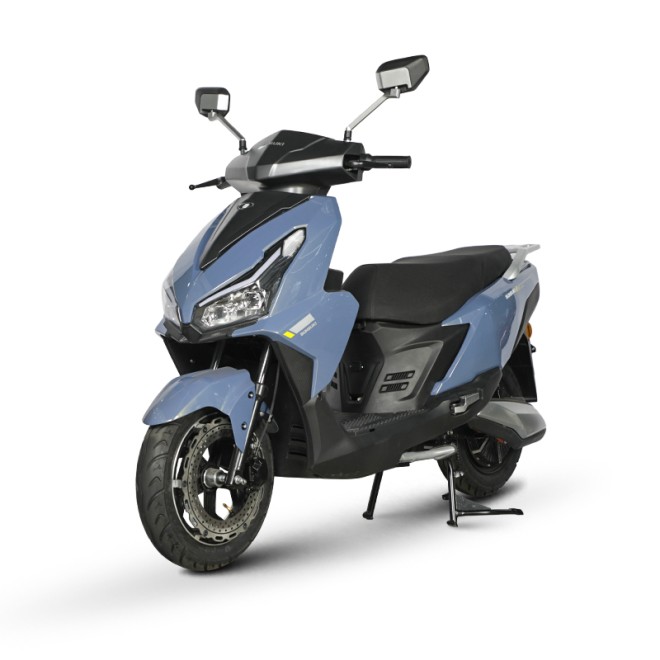
Featuring a patented chassis with a 400W energy-saver motor and a 48V/20A battery structure. Fits compact urban commuter specifications perfectly.
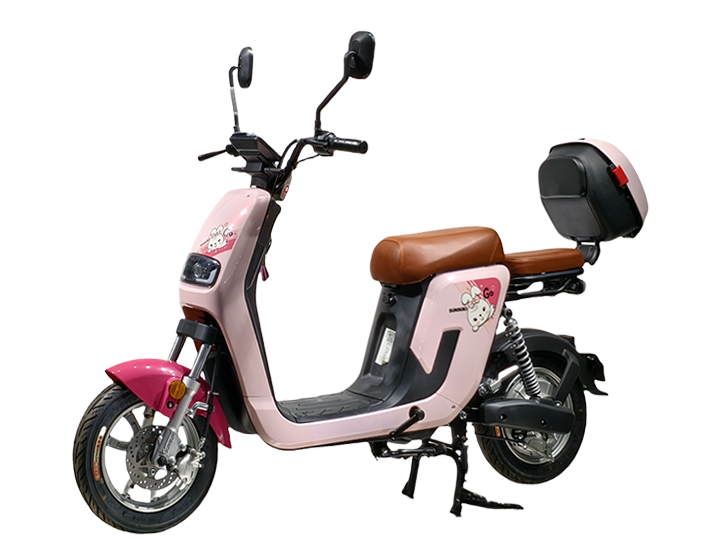
Why sourcing your fleet from the Wuxi industrial cluster reduces manufacturing costs and increases reliability.
Wuxi manufactures over 30% of the world's electric two-wheelers. By locating Sunsuki's main facility in this hyper-specialized manufacturing zone, we gain access to an unparalleled network of sub-assembly suppliers. Every component—from raw tubular steel frames, precision copper windings, and advanced controller chips to the micro-switch indicator buttons—is sourced within a 50-kilometer radius.
This localized supply chain results in several key advantages for international purchasers:
Furthermore, Wuxi's regional hub features direct connections to Shanghai and Ningbo ports. This enables smooth export processing, minimizing inland transit costs and ensuring containerized shipments of electric scooters and motorcycles arrive on time.
Navigating the complex landscape of international regulatory frameworks for battery-powered two-wheelers.
Importing battery-powered two-wheelers into global markets requires strict compliance with domestic safety regulations. A lack of proper certifications can lead to customs seizures, registration issues, or expensive product liability challenges. At Sunsuki, we prioritize regulatory compliance across all our manufacturing operations.
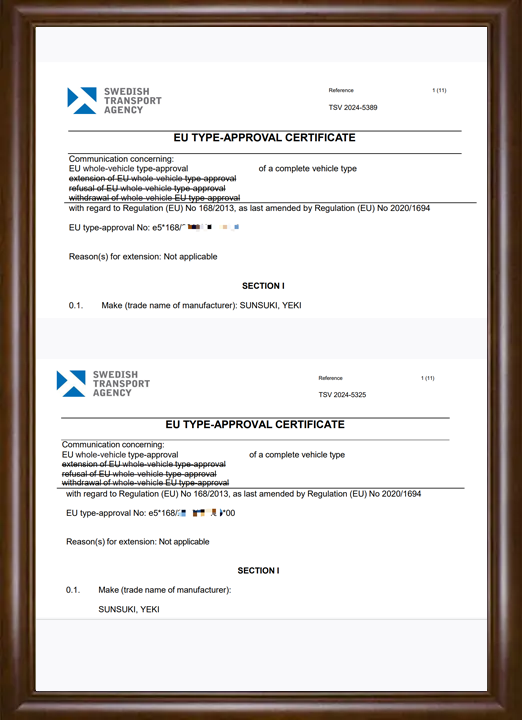
Our production lines operate under the ISO9001:2015 Quality Management System. For products headed to Europe, we offer models certified with EEC (European Economic Community) and E-mark certifications, including full Certificate of Conformity (CoC) documents for immediate road registration. For Asian, Middle Eastern, and South American markets, we provide vehicles that comply with CCC (China Compulsory Certificate) and international UN38.3 lithium battery transport safety protocols.
Our quality checks go beyond paperwork. Every batch of battery cells undergoes rigorous testing, including high-impact shock tests, thermal chamber exposures (simulating sub-zero winter temperatures and extreme tropical summers), and continuous cyclic discharge evaluations. This ensures the batteries maintain their integrity under diverse environmental conditions.
How global enterprises are deploying battery-powered two-wheelers across key urban sectors.
Different commercial applications require specific mechanical configurations. A scooter built for casual commuting will not withstand the constant demands of last-mile logistics. By identifying these distinct requirements, we design customized solutions for our B2B procurement partners:
Fleet operators prioritize uptime, durability, and load capacity. For these operations, we supply heavy-duty cargo platforms like the HT cargo series. These models feature dual shock absorption systems, reinforced high-tensile steel frames, and large rear storage racks. They support battery-swapping modules, allowing riders to swap out depleted batteries in seconds and maximize daily operations.
Shared electric scooters require integrated IoT capabilities, real-time GPS tracking, and remote geofencing capabilities. Our smart models, like the VRS series, feature integrated hardware that communicates with cloud platforms. This allows operators to monitor battery levels, track vehicle locations, and run diagnostics remotely.
For large-scale industrial complexes and smart manufacturing facilities, electric mobility provides quiet, emission-free transport. Simple, low-maintenance models like the M2 series are ideal for on-site transport, helping staff move around cleanrooms, assembly warehouses, and expansive outdoor areas quickly and safely.
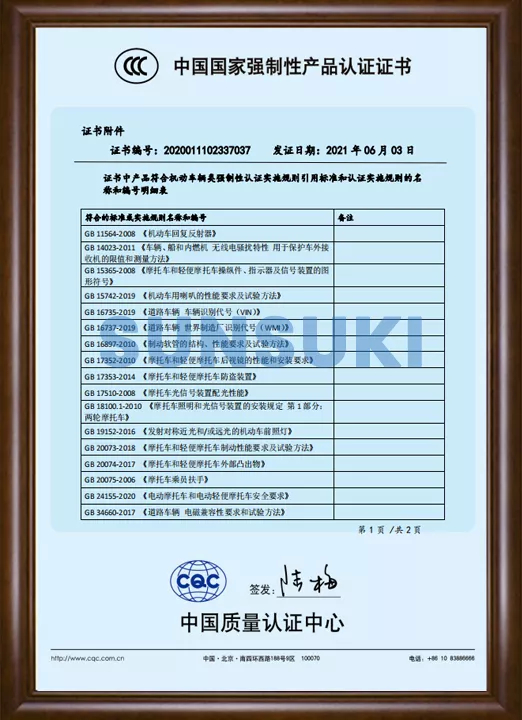
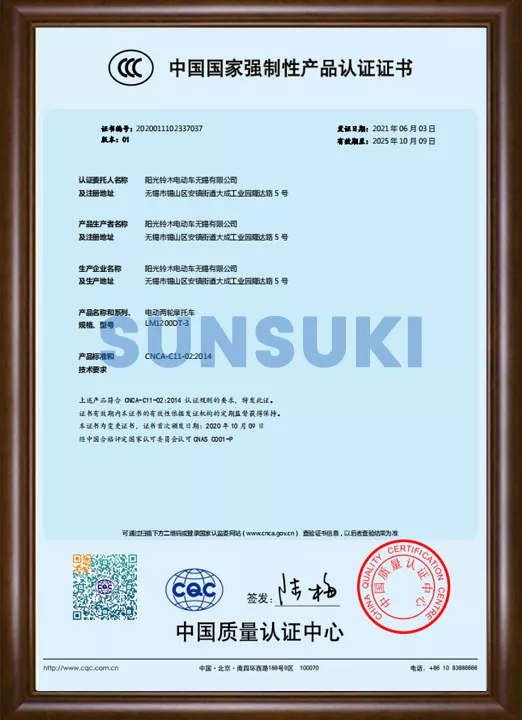
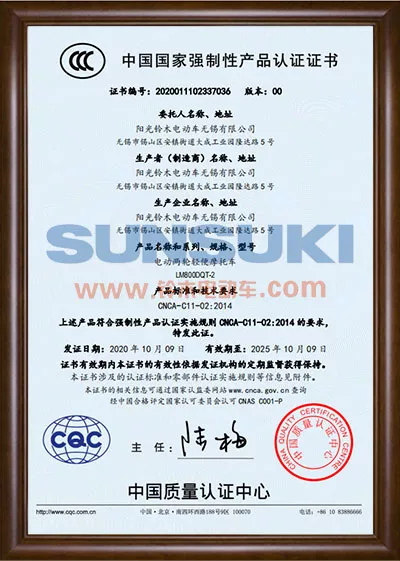
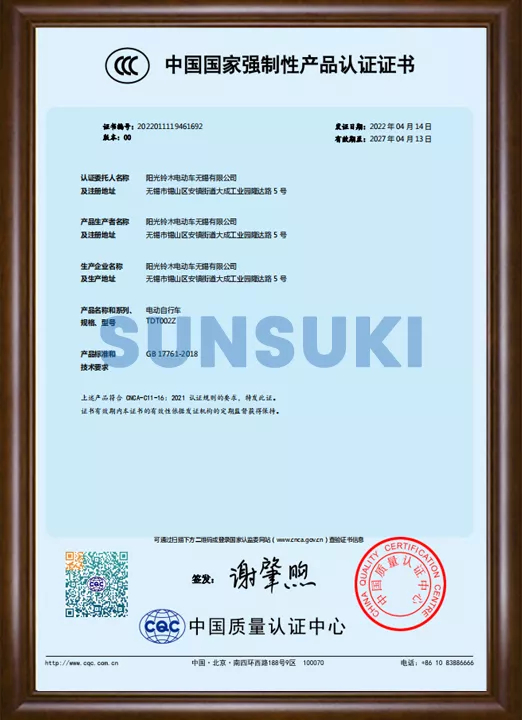
Our facilities and products comply with ISO9001, CCC, and European EEC standards to ensure smooth customs clearance and market entry.
Premium options for distributors seeking factory-direct pricing, custom battery capacities, and robust chassis designs.
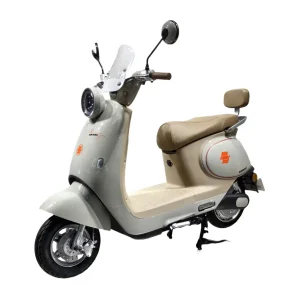
Equipped with a high-torque 27H magnetic steel motor, three-speed control, and smart overtaking assistance.
Specifications & Inquiry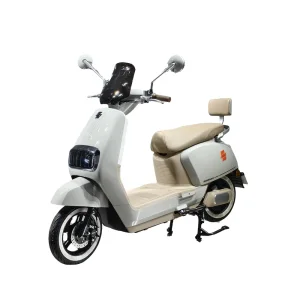
Features a high-capacity 35H motor, electronic E-ABS braking, NFC keyless unlocking, and dual fast-charging support.
Specifications & Inquiry
Powered by a 1200W motor reaching 50 km/h, compatible with versatile battery setups for optimized range and budget.
Specifications & Inquiry
A premier OEM chassis option featuring built-in GPS tracking, interactive multimedia display, and customizable power profiles.
Specifications & Inquiry
Fully EEC certified, 45 km/h maximum speed, optimized for entry-level commuters looking for value.
Specifications & Inquiry
Configured with a 1200W motor, high-capacity 72V battery, heavy-duty 12-inch utility tires, and reinforced frame.
Specifications & Inquiry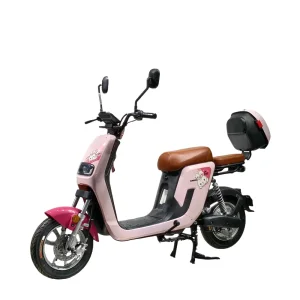
A patented 400W city commuter scooter with a lightweight frame, reliable 60 km range, and easy folding mechanism.
Specifications & Inquiry
Delivers a stable 45 km/h top speed and 70 km range. Built to withstand daily commuting demands.
Specifications & InquiryStay informed with technical insights and market trends compiled by our engineering team.
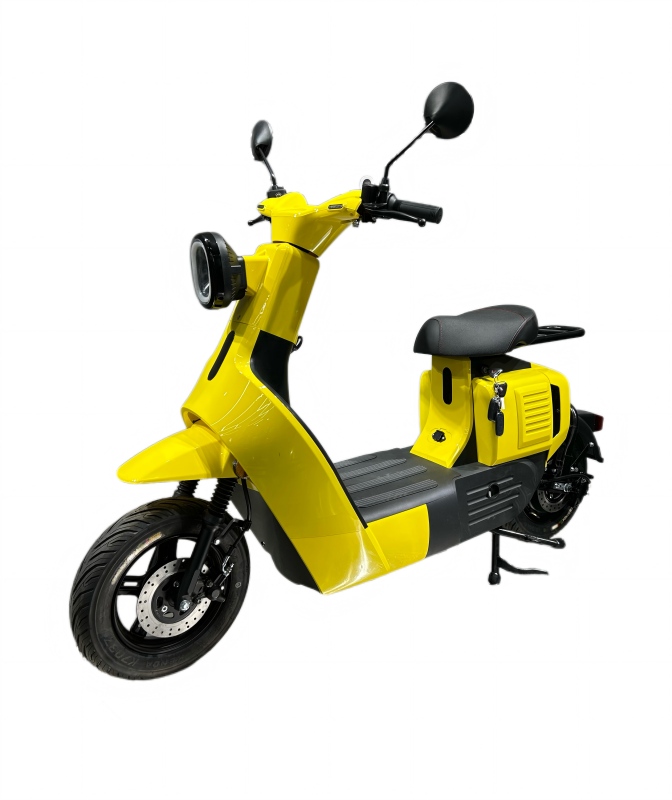
The motor is the heart of your electric motorcycle. Proper care—such as maintaining seals, checking bearings, and monitoring heat—ensures peak performance and a longer service life.
Read Guide →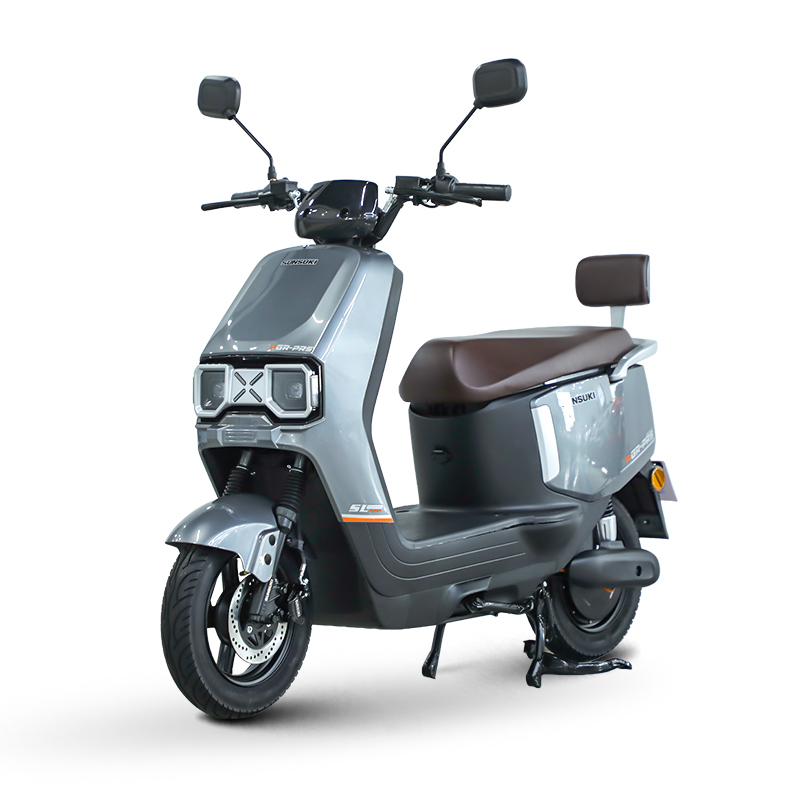
The choice of paint finish directly impacts the durability and look of an EV's plastic parts. Learn the differences between PU paint's flexibility and UV paint's scratch resistance.
Read Guide →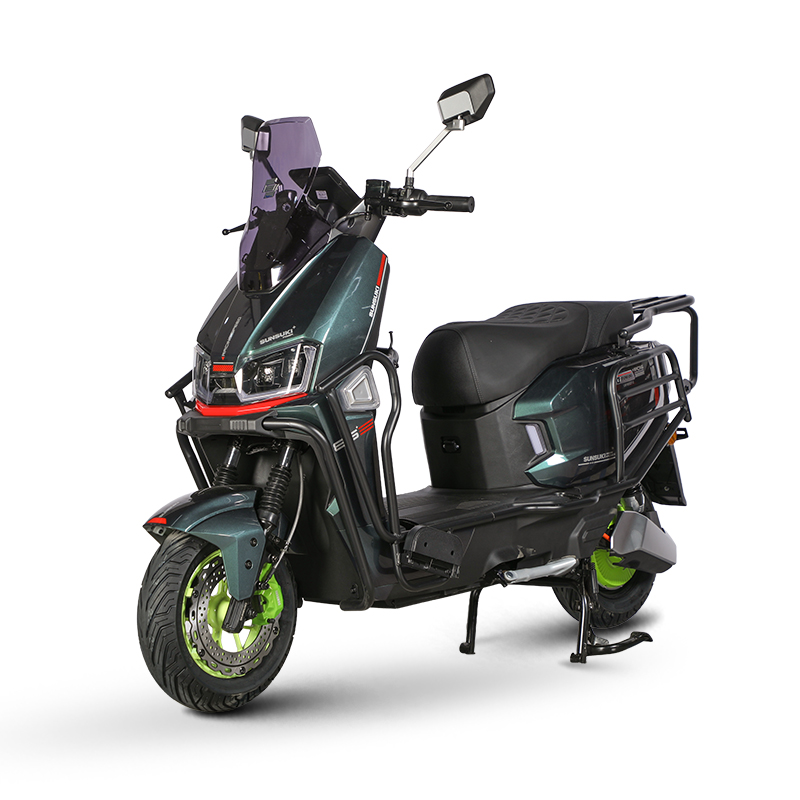
Electric two-wheelers have reshaped urban transit in China. Explore how advanced battery technology and infrastructure development are driving global adoption.
Read Guide →Everything you need to know about sourcing, customization, and importing our electric two-wheelers.
Our standard MOQ for custom manufacturing runs—such as custom frame paint, specific motor wattages, or integrated IoT modules—ranges from 20 to 50 units (typically a 20ft container load). This ensures cost-efficient production and container utilization during shipping. Smaller trial orders can be arranged depending on model availability.
We build our battery packs using advanced cells paired with premium Battery Management Systems (BMS). The BMS continuously monitors temperature, voltage, and current across each cell group. Additionally, our battery housings feature integrated thermal pads, flame-retardant barriers, and ventilation channels to manage heat dissipation in hot climates.
Yes, many of our key models (such as the E11, G18, and TY series) are certified with EEC/CoC (Certificate of Conformity) and E-mark stamps, allowing for immediate road registration in EU countries. For other regions, we can customize vehicles to comply with local lighting, speed, and safety regulations.
We offer configurations with both lead-acid batteries (cost-effective, durable, and highly recyclable) and lithium-ion options (NMC or LFP, providing lighter weight, longer ranges, and fast charging). The battery compartment can be customized based on your regional market requirements.
Lithium battery-powered vehicles are classified as dangerous goods (UN3171) for international transport. We handle all compliance paperwork, export packaging, and logistics. We ship products in secure steel-crate frames within ocean containers to ensure they arrive undamaged.
 Lingmo