As the global market for electric vehicles continues to grow, the EV moped bike is gaining significant attention. In 2026, buyers will seek efficient, sustainable, and stylish options. These bikes offer an ideal blend of mobility and eco-friendliness. Potential buyers should consider factors like design, range, and charging time.
Many brands are innovating rapidly. Some are focused on performance, while others emphasize comfort. However, not all models meet quality expectations. Consumers may face challenges in finding reliable information. Reviews, expert insights, and user testimonials are essential to navigate the options.
Investing in an EV moped bike requires careful consideration. What works well for one person might not suit another's needs. Buyers should reflect on how they plan to use these bikes. With evolving technology, staying updated on the best choices is vital. Understanding the specifics can lead to better decisions.
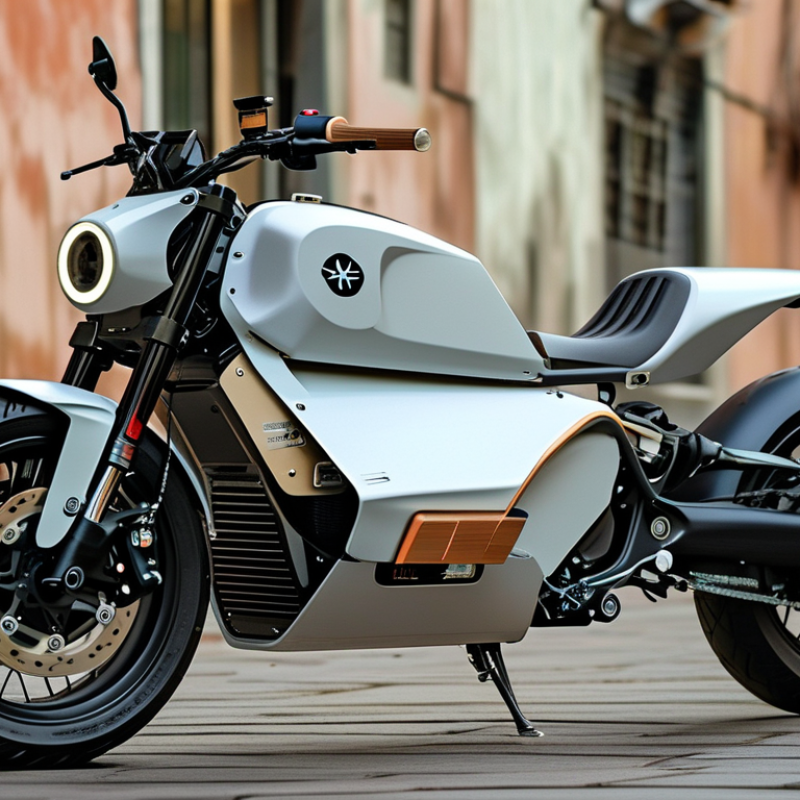
The electric moped market is evolving rapidly, driven by trends in sustainability and urban mobility. According to a recent report by Research and Markets, the global electric moped market is projected to grow at a CAGR of 8.2% from 2021 to 2026. This growth signals a shift toward eco-friendly transportation options that cater to urban environments.
One key trend shaping the market is the integration of smart technology. Many electric mopeds now feature GPS tracking, apps for battery management, and anti-theft systems. These features enhance user experience and safety, appealing to tech-savvy consumers. Despite these advancements, not all manufacturers ensure high-quality software integration, leading to potential customer dissatisfaction.
Additionally, battery technology plays a crucial role in the industry's growth. Lithium-ion batteries dominate due to their efficiency and longevity. However, the recycling of these batteries remains a significant challenge. Industry experts emphasize the need for sustainable practices as battery disposal can impact the environment. As buyers become more informed, they may weigh these factors before making a purchase.
As global electric moped sales projections rise, several key factors come into play.
Government policies play a critical role in shaping the market. Many countries are offering incentives for electric vehicles. These incentives often include tax breaks or subsidies, creating a more appealing environment for buyers. Cities are also implementing stricter emission controls, pushing consumers toward electric options.
Consumer preferences are shifting. Eco-friendliness is becoming increasingly important. People are looking for alternatives to traditional gas-powered vehicles. They want options that are affordable, efficient, and sustainable. However, it's important to recognize that charging infrastructure can be a barrier. In some areas, access to charging stations remains limited.
Tips: Consider the moped's battery life and charging speed. Research local incentives for purchasing electric bikes. Always keep your maintenance costs in mind—they can vary widely.
Market dynamics are not stagnant. Manufacturers must adapt to changing expectations. New innovations are always on the horizon, which can alter buyer decisions dramatically. Keeping an eye on trends is crucial for anyone looking to invest in electric mopeds.
As the demand for electric moped bikes grows, international buyers seek the best options for 2026. Evaluating different brands reveals key differences in performance, range, and sustainability. Electric mopeds typically feature lightweight designs and energy-efficient motors. However, battery life remains a significant concern for users. Some models struggle to provide adequate range on a single charge, causing inconvenience.
Prices also vary widely across brands, impacting buyer decisions. While premium models offer advanced technology, budget options may lack essential features. Performance under diverse weather conditions is another area of reflection. Many brands emphasize durability, yet ongoing issues with weatherproofing persist. Buyers must weigh these factors against their specific needs.
Brand reputation also plays a crucial role in decision-making. Established brands often have more reliable service networks. Newer companies, however, may offer innovative technologies but lack proven reliability. Researching user reviews and expert opinions can shed light on these aspects. In this evolving market, keeping informed is essential for making sound investment choices.
The rise of electric mopeds, or e-mopeds, is transforming urban transportation. Innovative technologies are enhancing their performance and safety, addressing key concerns for riders. Advanced battery systems provide longer ranges, allowing users to travel greater distances without frequent recharging. These batteries also have faster charging capabilities, making them more convenient for daily commutes.
Safety features are at the forefront of e-moped design. Many models now include anti-lock braking systems (ABS) and advanced traction control. This technology helps prevent skidding, especially in adverse weather conditions. Enhanced lighting systems improve visibility during nighttime rides. These features can significantly reduce accidents, promoting safer riding environments.
Not all innovations are flawless. While smart connectivity options, like navigation apps, are appealing, they can also distract riders. Riders must remain aware of their surroundings. The evolution of e-mopeds presents exciting opportunities, but continued focus on rider safety and technology usability is essential. Ignoring these factors could undermine the benefits these vehicles offer.
Electric mopeds are gaining traction in the global market. Their design focuses on sustainability. This fresh wave of eco-friendly transportation offers several benefits for urban commuters. Electric mopeds produce zero tailpipe emissions, which significantly eases air pollution in cities. Reduced noise pollution also enhances the urban experience.
Yet, there are challenges to consider. Battery production has a substantial environmental footprint. Mining for lithium and cobalt can harm ecosystems. Recycling programs for old batteries are still in early stages. These issues highlight a gap between the current benefits and potential long-term impacts.
As urban areas grow, the adoption of electric mopeds is likely to rise. Education around their proper use is vital. Riders must understand how to maintain their vehicles efficiently. This ensures that sustainability remains a goal rather than a mere trend. Balancing convenience and environmental impact will require collective effort from manufacturers, riders, and policymakers.
: Sustainability and urban mobility drive growth. Smart technology integration enhances user experience and safety.
Lithium-ion batteries are preferred for their efficiency. However, recycling these batteries poses environmental challenges.
Modern models include anti-lock braking systems and traction control. These features help prevent accidents in poor weather.
Yes, navigation apps can distract riders. Users must remain aware of their surroundings while riding.
They produce zero tailpipe emissions, reducing air pollution. Lower noise levels also create a better urban experience.
Mining for materials like lithium can harm ecosystems. Environmental impacts raise concerns about long-term sustainability.
Proper maintenance knowledge helps ensure sustainability. It prevents the goal from becoming just a trend.
The market is projected to grow at a CAGR of 8.2%. This reflects growing interest in eco-friendly options.
Not all manufacturers provide quality software integration. This inconsistency can lead to customer dissatisfaction.
The article "Best Ev Moped Bike for Global Buyers in 2026" explores the emerging trends and projections for electric mopeds in the upcoming year. Highlighting key factors influencing global sales, the article emphasizes the growing demand for eco-friendly transportation options. Advancements in technology are set to enhance the performance and safety of EV moped bikes, attracting a broader audience of environmentally conscious consumers. Additionally, the sustainability and positive environmental impact of electric mopeds are discussed, reinforcing their role as a viable alternative to traditional vehicles in the global market.
With a comparative analysis of leading EV moped brands, the article provides valuable insights for international buyers looking to invest in electric mopeds. As the market evolves, understanding these dynamics will be crucial for consumers aiming to make informed decisions in 2026.
Lingmo
